✦ AI-generated review
The Weight of Two Worlds
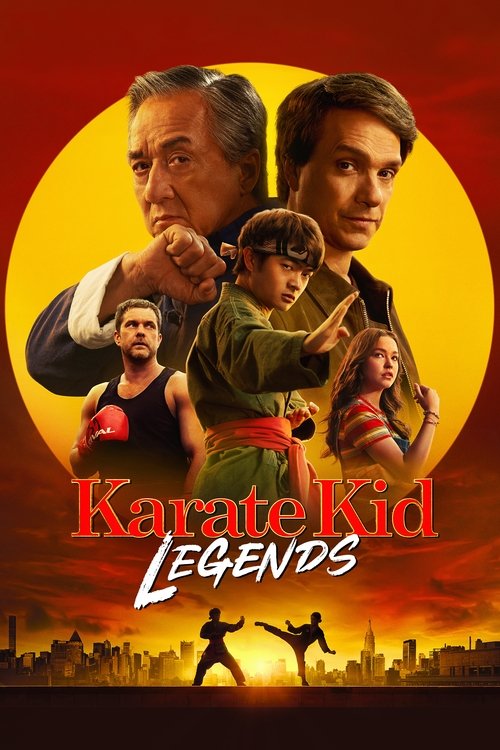
Cinema has a habit of cannibalizing its own history, often stitching together the limbs of past successes in a desperate bid to walk again. It is rare, then, to witness a franchise attempt something as culturally acrobatic as *Karate Kid: Legends*. Jonathan Entwistle’s 2025 entry does not merely offer a sequel; it attempts a diplomatic summit between two distinct cinematic mythologies: the sun-soaked, compassionate karate of the Miyagi-verse and the gritty, kinetic kung fu of the 2010 reimagining. That the film stands upright at all is a feat; that it occasionally soars is a testament to the enduring human need for a teacher.
Entwistle, best known for the sardonic, angular energy of *The End of the F***ing World*, brings a surprising visual modernity to a saga often trapped in amber. Relocating the narrative from the sprawling suburbs of California or the misty mountains of Wudang to the claustrophobic verticality of New York City allows the film to breathe different air. The cinematography captures a suffocating, gray urban isolation that mirrors the internal state of Li Fong (an electric Ben Wang). When the action erupts, it is less about the polite, tournament-style sparring of the 80s and more indebted to the frantic, environmental improvisation of Jackie Chan’s heyday. There is a frantic, almost TikTok-adjacent energy to the editing in the early acts—a choice that may alienate purists but effectively places us in the headspace of a generation for whom attention is a currency spent quickly.
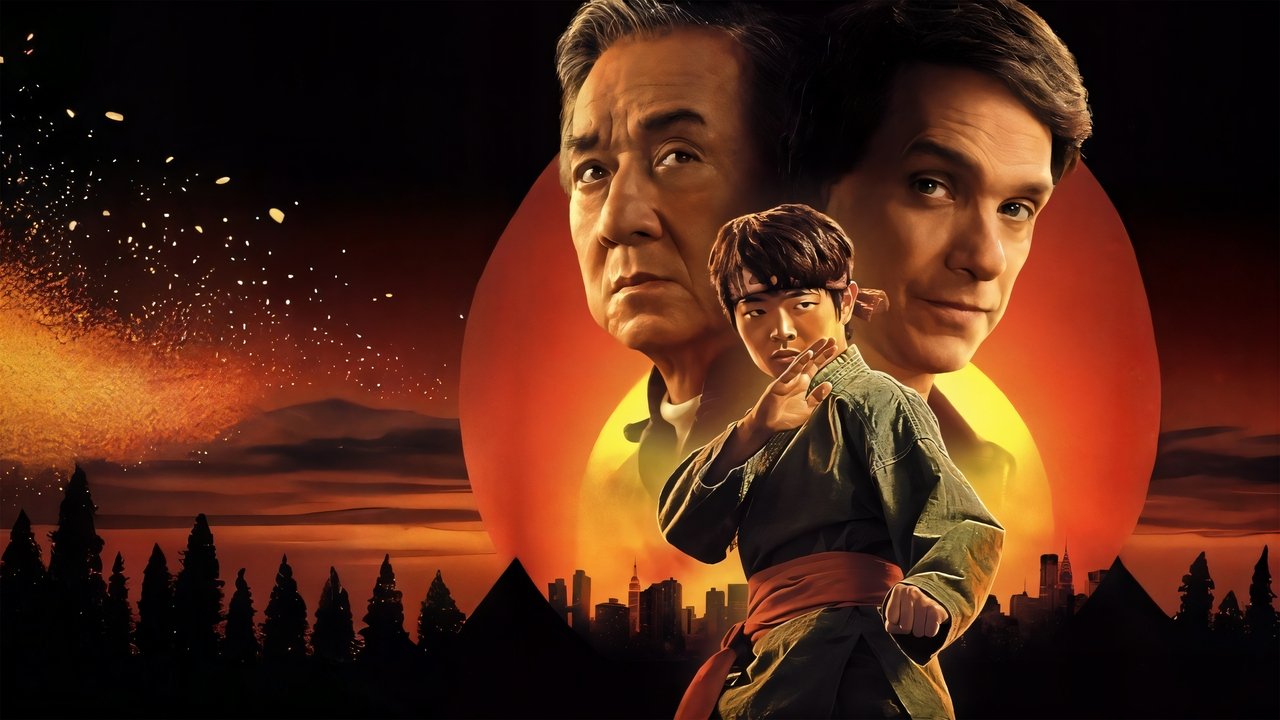
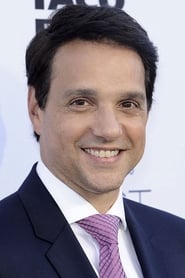
However, the film’s true ambition lies not in its kicks, but in its quietest conceit: the "Two Branches, One Tree" philosophy. Watching Jackie Chan’s Mr. Han and Ralph Macchio’s Daniel LaRusso share the screen is to witness a fascinating friction between acting styles. Macchio, carrying the earnest, sentimental weight of four decades, plays LaRusso as a man haunted by the ghost of perfection. Chan, conversely, plays Han with a weary, tragic gravity, his movements slowed not just by age but by sorrow. Their initial ideological clash—Kung Fu’s fluid adaptation versus Karate’s rigid discipline—is the script’s most intellectual offering. It elevates the training montage from a genre trope to a dialectic discussion on how we process trauma.
Ben Wang, tasked with holding the center while these titans orbit him, delivers a performance of remarkable vulnerability. He avoids the brooding anger that defined early LaRusso or the petulance of Jaden Smith’s Dre Parker. Instead, Wang’s Li Fong is defined by a desperate, quiet dignity—a boy trying to remain invisible in a city that demands he be loud. The scene on the rooftop garden, where the two masters attempt to synthesize their styles into a "dragon kick" variant for Li, feels less like "fan service" and more like a grandfather passing down a family recipe before it is lost to time.
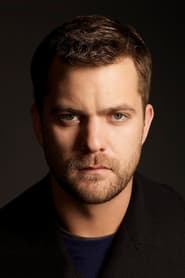
If the film stumbles, it is under the sheer density of its own plot. The subplot involving Joshua Jackson’s Victor and the loan sharks feels like a vestigial limb from a different, grittier crime drama, occasionally distracting from the spiritual core of the martial arts journey. The narrative machinery sometimes grinds loudly, rushing to get to the Five Boroughs Tournament rather than letting the relationships marinate.
Yet, *Karate Kid: Legends* succeeds where many legacy sequels fail because it understands that nostalgia is not a destination, but a fuel. It argues that there is no "pure" style, no single way to fight, and no one way to grow up. By merging the lineages of Han and Miyagi, Entwistle has created a film that feels messy, hybrid, and undeniably alive—a fitting reflection of the chaotic world its young hero inherits.