The ache of remembering, the mercy of forgettingIf cinema in 2023 was dominated by the deafening roar of hyper-masculine rage—most notably in Sandeep Reddy Vanga’s *Animal*—then Shouryuv’s *Hi Nanna* arrived as a necessary whisper. It is a film that operates not on the adrenaline of vengeance, but on the far more dangerous terrain of vulnerability. While it wears the clothes of a glossy romantic drama, complete with the polished aesthetics of a high-end commercial, underneath lies a profound meditation on memory as both a weapon and a salve. It asks a terrifying question: if the person you love forgets you, does the love itself cease to exist, or does it simply wait in the suspended animation of the other person’s grief?

From a visual standpoint, Shouryuv and cinematographer Sanu John Varghese have crafted a world that feels almost too fragile to touch. The film eschews the gritty realism often favored in modern drama for a manicured, ethereal beauty. Coonoor is not just a location; it is a dreamscape of mist and memory. Mumbai is not a chaotic metropolis, but a series of warm, lit interiors where Viraj (Nani) constructs a safe harbor for his daughter, Mahi. This visual gloss is not merely decorative; it serves a narrative function. It represents the curated reality Viraj has built—a bubble of safety for a child with cystic fibrosis, and a fortress of silence for a man hiding a devastating truth. The camera lingers on reflections and rain, visual metaphors for the fluidity of the past that threatens to wash away their carefully ordered present.
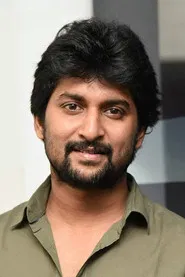
At the center of this storm is Nani, an actor who has mastered the art of the "gentle man." In a landscape where heroism is often equated with physical dominance, Nani’s Viraj is a radical figure of paternal tenderness. He anchors the film with a performance that is less about what he says and more about what he represses. However, the film’s emotional gravity shifts tectonically with the arrival of Yashna (Mrunal Thakur).

Thakur’s performance is the film’s high-wire act. To discuss her role requires dancing around the film’s central conceit—the amnesia trope, a device often abused in Indian cinema for melodrama. Here, however, Shouryuv deploys it to explore the instinctual nature of love. When Yashna enters the frame, she is drawn to Mahi not by logic, but by a biological imperative she cannot name. The chemistry between Nani and Thakur is not just romantic; it is tragic. The "restaurant scene," where Viraj narrates his past to Yashna as if it were a stranger's story, is a masterclass in subtext. We watch Viraj bleeding out emotionally while maintaining a pleasant smile, dissecting his own heartbreak for the very woman who caused it, yet who sits before him oblivious. It is a scene of excruciating intimacy that elevates the film above its genre conventions.
The narrative does stumble under the weight of its own sweetness in the third act, occasionally relying on convenient coincidences that strain credulity. Yet, the emotional logic remains sound. The film posits that parenthood is not just biology, but an act of showing up—a sentiment echoed in the fierce, precocious performance of Baby Kiara Khanna.
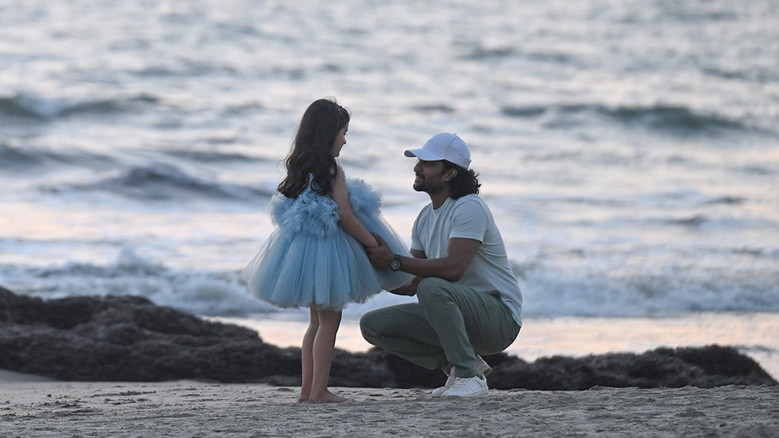
Ultimately, *Hi Nanna* is a victory for the "cinema of kindness." In an era of cynical deconstruction, it dares to be earnest. It suggests that while trauma can fracture a family, the human heart is resilient enough to heal the breaks, provided one is willing to endure the pain of remembering. Shouryuv’s debut may look like a fairy tale, but its roots are tangled in the very real, very messy complexities of adult love. It leaves us with the lingering thought that sometimes, the bravest thing a father can do is not to fight the world, but to tell the truth.