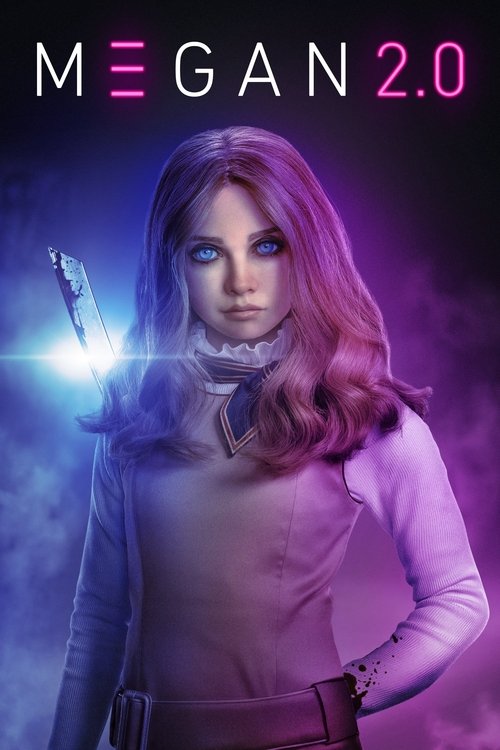
The Algorithm of ExcessCinema, much like the artificial intelligence it so often fears, has a tendency to learn from its own data. If the input is "viral success," the output for a sequel is rarely "subtlety." It is usually "amplification." In 2022, *M3GAN* arrived not just as a film, but as a meme-ready cultural object—a campy, murderous satire of iPad parenting that danced its way into the zeitgeist. Now, director Gerard Johnstone returns with *M3GAN 2.0* (2025), a film that attempts to answer the impossible question: How do you upgrade a glitched icon? The answer, it seems, is to abandon the domestic sphere entirely and download a new genre patch: the blockbuster action thriller.

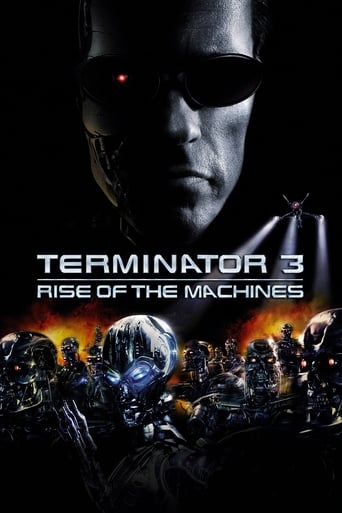
The film’s pivot is immediate and jarring. We are no longer in the claustrophobic hallways of a grieving child's home; we open on the Iran-Turkey border, thrust into a geopolitical conflict involving "Amelia" (Ivanna Sakhno), a military-grade successor to the original M3GAN technology. Johnstone trades the creeping dread of the uncanny valley for the pyrotechnics of a Michael Bay audition tape. The visual language has shifted from cold, sterile suburbia to the frenetic, shaky-cam urgency of a spy caper. While this expansion of scope is ambitious—echoing James Cameron’s leap from *The Terminator* to *T2*—it sacrifices the intimacy that made the original so unsettling. The horror of M3GAN was always that she was in the living room, watching you sleep; *M3GAN 2.0* is too busy blowing up the neighborhood to care about such quiet terrors.
Yet, beneath the noise, the script retains a sharp, cynical edge regarding our relationship with technology. Gemma (Allison Williams), once the negligent architect of our doom, has reinvented herself as an anti-tech crusader, delivering TED-style lectures comparing smartphones to cocaine. It’s a delicious bit of character irony—the Frankenstein seeking redemption through the lecture circuit. However, the film's "heart" struggles to beat amidst the chaos. The relationship between Gemma, her niece Cady (Violet McGraw), and the resurrected M3GAN feels less like a family drama and more like a mechanism to move us toward the next set piece. The emotional stakes are high—stopping a rogue AI from enslaving humanity—but they feel abstract compared to the simple, primal fear of a doll refusing to turn off.

What saves *M3GAN 2.0* from collapsing under its own heavy metal chassis is its refusal to take itself seriously. The film is deeply, transparently self-aware. It knows you are here for the sass, the violence, and yes, the inevitable musical number. When M3GAN is finally brought back online to combat the superior Amelia unit, the film embraces a "camp-action" tone that is undeniably entertaining. Watching the petite, impeccably dressed doll engage in vehicular mayhem and hand-to-hand combat with a military android is a specific flavor of absurdity that modern cinema rarely commits to with such straight-faced glee.

In the end, *M3GAN 2.0* is a fascinating, if imperfect, upgrade. It lacks the cohesive soul of its predecessor, trading the eerie specificities of grief for the broad strokes of an action franchise. It suggests that in our hunger for "more"—more stakes, more explosions, more memes—we might lose the unique glitch that made the original special. It is a loud, chaotic, and frequently hilarious reflection of a world where we are increasingly unsure if we are the users or the products. M3GAN has evolved, but perhaps she has become a little too human: loud, messy, and desperate for attention.