The Rot Beneath the FloorboardsIf Zach Cregger’s debut, *Barbarian*, was a claustrophobic descent into the literal basement of modern anxieties, his sophomore effort, *Weapons*, is an explosion outward—a sprawling, multi-limbed beast that tears the roof off an entire community to see what scurries in the light. Cregger has abandoned the tight, singular narrative for a panoramic mosaic of grief that feels less like a traditional horror movie and more like a dark, fever-dream cousin to Robert Altman or Paul Thomas Anderson. In fact, the spirit of *Magnolia* haunts this film as surely as any supernatural entity; it is an epic of interception, where the horror lies not just in what is lost, but in how the survivors weaponize their pain against one another.
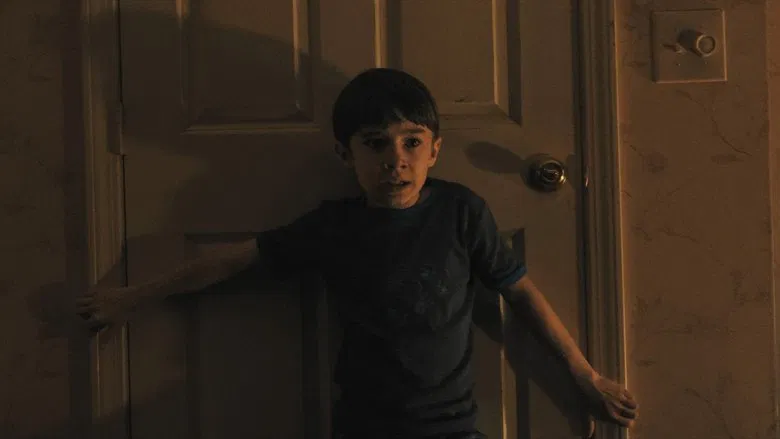
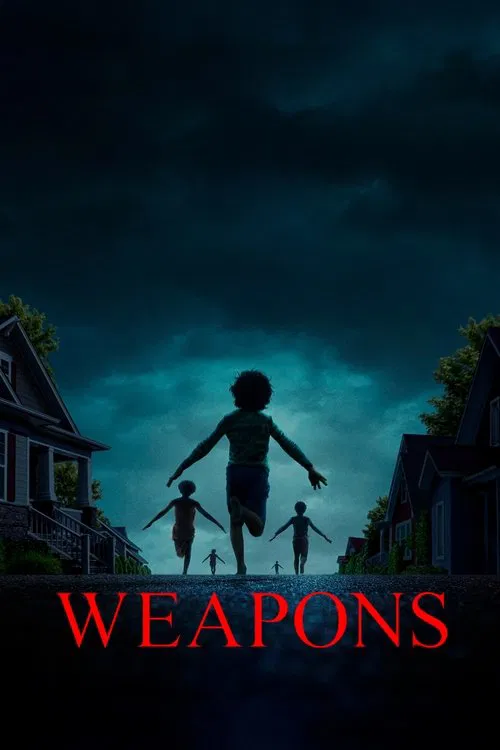
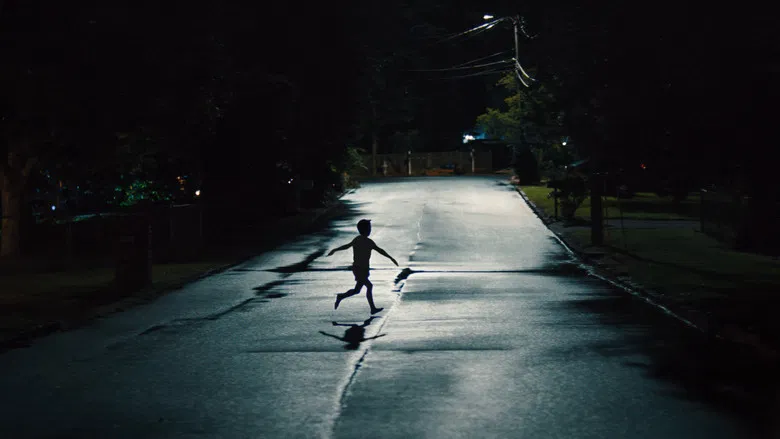
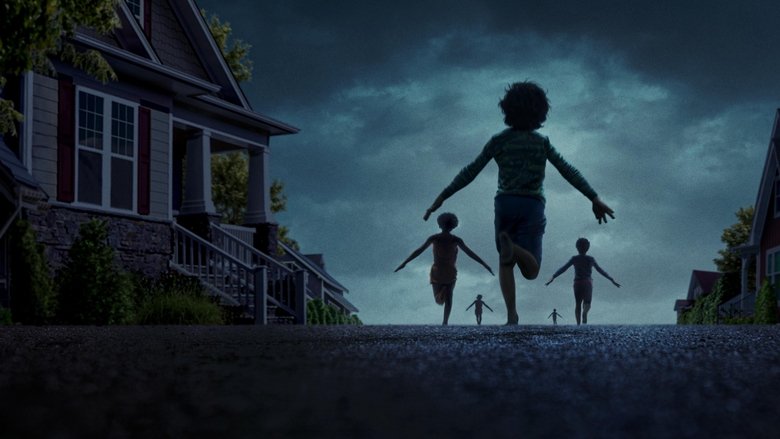
The inciting incident is deceptively simple and mythic in its construction: at exactly 2:17 AM, seventeen children from the same elementary class walk out of their homes and vanish into the Pennsylvania woods. They leave silently, arms outstretched like sleepwalking aviators. But Cregger is not interested in a police procedural. Instead, he fractures the narrative into chapters, handing the lens to the adults left behind in the wreckage.
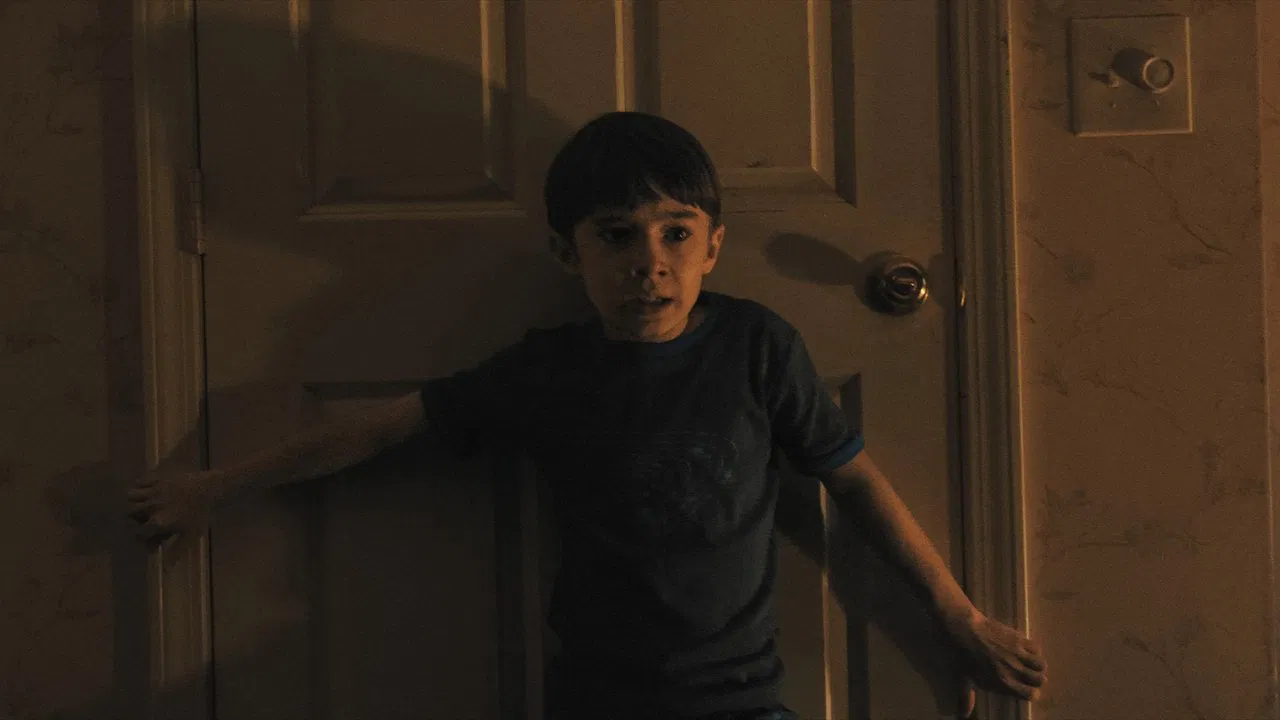
Visually, the film is a masterclass in atmospheric dread. Cinematographer Larkin Seiple (who also shot *Everything Everywhere All At Once*) trades the frantic energy of the multiverse for a suffocating, static gaze. The camera often loiters in empty rooms or holds uncomfortably long on faces contorted by denial. There is a specific, recurring visual motif of "blindness"—characters refusing to look at the truth, framed behind dirty windows, sunglasses, or through the distortions of a liquor bottle. The color palette is drained of hope, leaning into bruising purples and sickly greens that suggest a world that has been rotting long before the children disappeared.
At the center of this storm is Julia Garner as Justine Gandy, the teacher who becomes the town’s pariah. Garner delivers a performance of brittle fragility, a woman vibrating with an anxiety that threatens to shatter her physicality. She is the convenient scapegoat for a town that cannot process the irrational. Opposite her, Josh Brolin’s Archer Graff is a study in toxic grief—a man who believes he can punch and bully his way to a solution, only to find that you cannot intimidate a void.
The film’s brilliance lies in its refusal to comfort the audience. Cregger peels back the layers of Maybrook to reveal that the supernatural element—a terrifyingly banal witch figure played with bone-chilling casualness by Amy Madigan—is almost secondary to the human cruelty on display. The "weapons" of the title are not guns or knives, but the people themselves: broken individuals honed by trauma into instruments of destruction. The community doesn't band together; it cannibalizes itself.
*Weapons* is an audacious, messy, and deeply upsetting work that cements Cregger as a major American filmmaker. It takes the "missing child" trope—so often used as cheap emotional leverage in cinema—and transforms it into a profound examination of how we fail to protect the innocent because we are too busy protecting our own delusions. It is a horror film that doesn't just want to scare you; it wants to implicate you. When the credits roll, the fear isn't that the children are gone, but that the world they left behind was never safe to begin with.