✦ AI-generated review
The Gentrification of a Scream
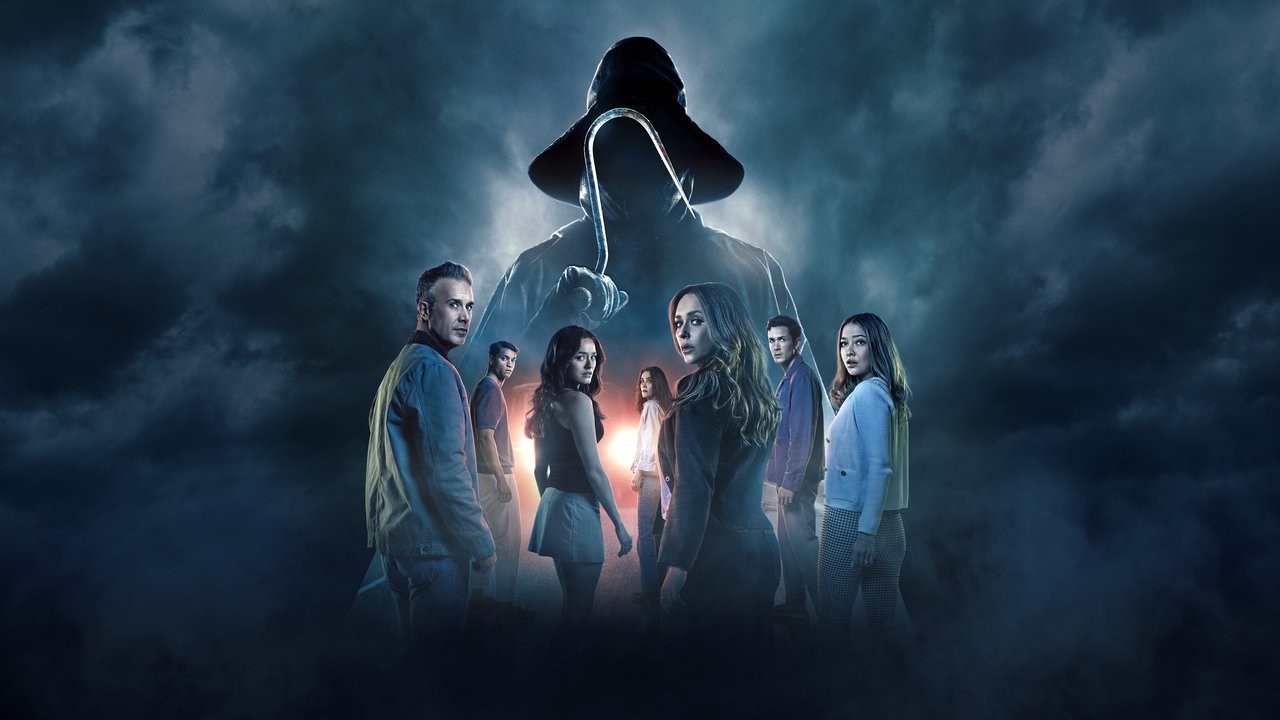
In 1997, the Southport, North Carolina of *I Know What You Did Last Summer* was a place of humidity, fish guts, and blue-collar desperation. The fear in that film was palpable not just because of a hook-wielding killer, but because the characters were fighting for a future they could barely afford. In Jennifer Kaytin Robinson’s 2025 legacy sequel, Southport has been paved over. The fishing wharves have become yacht clubs, the department stores are now private member lounges, and the smell of brine has been replaced by the scent of expensive sunscreen. This setting serves as the perfect metaphor for the film itself: a sleek, modernized renovation of a gritty classic that, while visually arresting, sometimes struggles to locate the beating heart beneath its designer exterior.
Robinson, whose directorial signature was etched in the acid-bright aesthetics of *Do Revenge*, applies that same candy-colored cynicism here. The film is undeniably beautiful, shot with a crisp, digital gloss that makes every drop of blood look like it was color-graded for social media. However, this visual perfection creates a distinct emotional distance. In the 90s, when Julie James screamed, you felt the sweat on her skin; here, the terror feels curated. This is most evident in the widely discussed "bath scene," where Madelyn Cline’s Danica luxuriates in a tub, wearing noise-canceling headphones while her fiancé is brutalized just feet away. It is a masterclass in tension, yes, but it also serves as a biting critique of a generation so insulated by technology and privilege that they cannot hear the monster in the room.
The narrative spine of the film rests on this concept of privilege. The original quartet covered up their crime out of a terrified, youthful stupidity; the 2025 cohort covers it up because they have the resources to do so. The accident is swept away not by a pact of silence, but by a wealthy father’s political influence. This lowers the initial stakes—there is no fear of prison, only a fear of reputation loss. Consequently, the characters feel less like tragic figures and more like beautifully dressed cautionary tales. We watch them not with empathy, but with a detached curiosity, waiting to see if their wealth can save them from a jagged steel hook. (It cannot.)
Yet, the film achieves a moment of transcendent meta-commentary in its most surreal sequence: the "Croaker Queen" dream. When Danica encounters the ghost of Helen Shivers (a de-aged Sarah Michelle Gellar), the film briefly sheds its irony. This interaction between the new "it girl" and the tragic beauty queen of the past is haunting. It acknowledges that no amount of modern snark or self-awareness can protect you from the genre’s rules. It is a scene that bridges the gap between the analog earnestness of the 90s and the digital detachment of the 2020s, offering a glimpse of the mournful soul hidden under the film's glossy carapace.
Ultimately, *I Know What You Did Last Summer* (2025) is a fascinating artifact of modern horror. It is less a study in fear and more a study in legacy—how we gentrify our trauma and polish our pasts until they are unrecognizable. Robinson has crafted a film that is fun, sharp, and brutally stylish, but one that leaves you with a lingering question: when you strip away the grime and the grit, do you also wash away the humanity? The hook still hurts, but in this new Southport, the scream echoes a little differently off the marble floors.