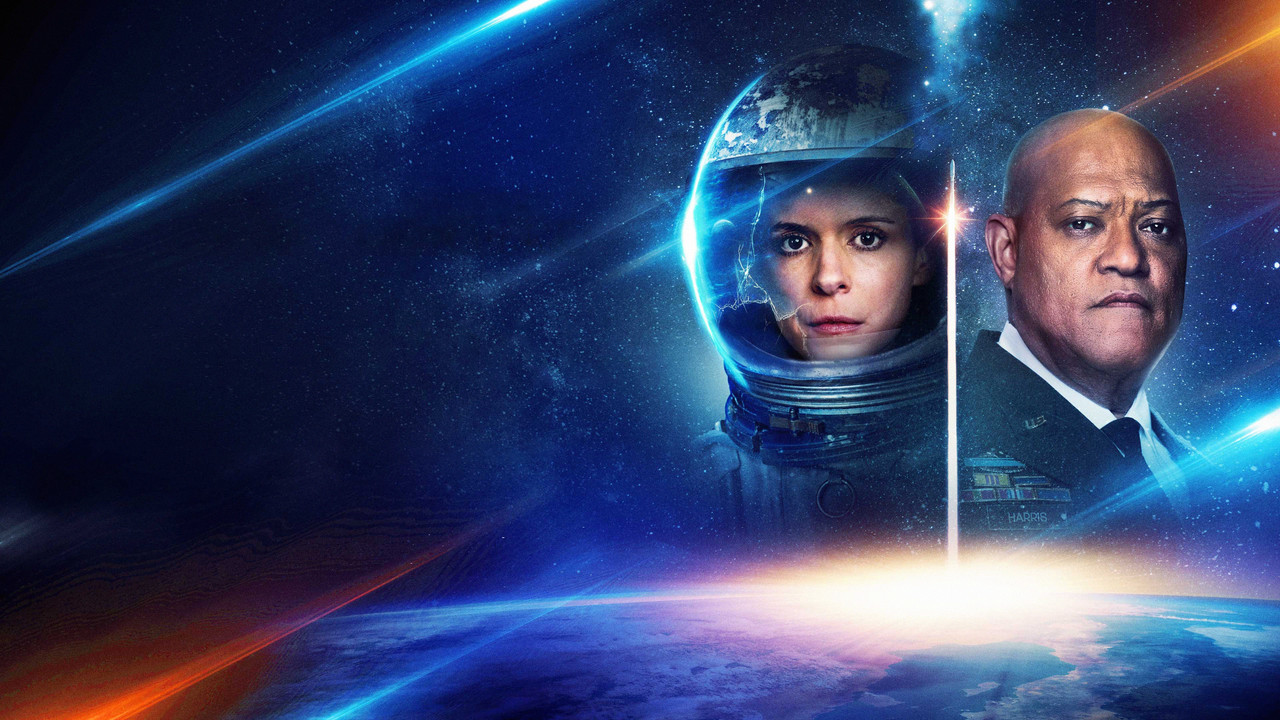
The Gravity of BelongingSpace is rarely just space in cinema. It is a mirror, a void that reflects our anxieties about isolation, humanity, and the terrors of the unknown. In "The Astronaut" (2025), director Jess Varley attempts to traverse this well-worn orbit, launching a vessel built from the blueprints of Ridley Scott and Denis Villeneuve. Yet, rather than aiming for the cold, hard science of survival, Varley’s debut feature steers into the murky nebula of identity. It is a film that asks not what is out there, but who is in here—and whether the skin we wear is a suit or a cage.
From the opening frames, Varley establishes a visual language of clinical claustrophobia. We meet Sam Walker (Kate Mara), an astronaut recovered from a capsule that looks less like a triumphant vessel and more like a bruised coffin floating in the Atlantic. The cinematography by David Garbett favors sterile whites and sharp, angular architecture, trapping Sam in a high-security rehabilitation home that feels less like a sanctuary and more like a terrarium.
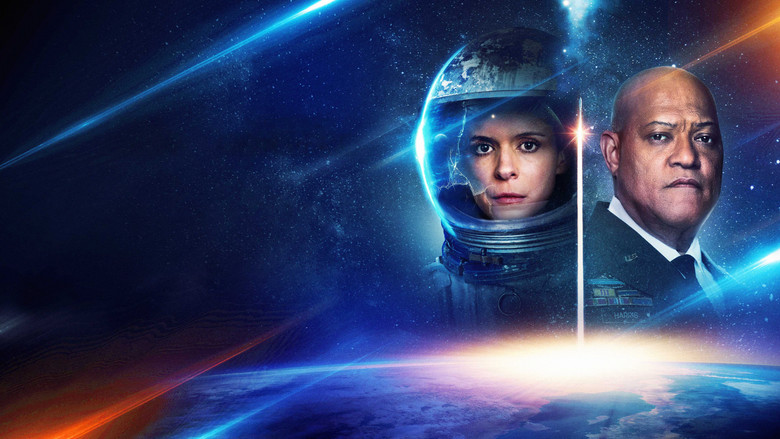
The film’s greatest asset is its soundscape. Varley understands that true horror in sci-fi is rarely the monster you see, but the anomaly you hear. The audio design is intrusive and visceral—the hum of machinery, the wet slickness of organic matter, the tinnitus that plagues Sam. These auditory hallucinations serve as the narrative’s pulse, suggesting a dissonance between Sam’s mind and her environment. Kate Mara anchors this sensory assault with a performance of brittle intensity. She plays Sam not as a hero, but as a woman vibrating with a frequency no one else can hear, her stoicism masking a terrified confusion that is deeply affecting.
However, the narrative trajectory wobbles as it approaches the third act. The film spends significant energy building a "Rosemary’s Baby" style paranoia—is Sam infected? Is the government, personified by a gravitas-heavy Laurence Fishburne, gaslighting her? But when the answers arrive, the film jettisons its psychological horror for a sentimental pivot that feels jarringly out of step with the dread that preceded it.

The central conflict eventually reveals itself to be an allegory for the immigrant experience or perhaps the feeling of being "other" in one's own family. The revelation regarding Sam’s true nature reframes the body horror—the bruising, the coughing up of black bile—not as sickness, but as a violent homecoming. It is a brave thematic swing, attempting to turn the "infection" trope on its head. Yet, the execution lacks the narrative runway to stick the landing. The emotional crescendo feels unearned because the film spent too much time trying to scare us to truly let us love the characters.

Ultimately, "The Astronaut" is a stylish, if uneven, meditation on the cost of assimilation. It shines in its smaller moments—Mara staring at an egg as it levitates, a visual rhyme of fragility and potential—but struggles under the weight of its genre hybridity. It is a film that leaves you with the lingering sense that while the mission was technically successful, the data retrieved was incomplete. Varley proves she has the eye and the ear for high-concept cinema; next time, one hopes the story will be as boundless as the visuals.