The Architecture of DespairIn the modern lexicon of survival thrillers, there is a tendency to mistake brutality for profundity. We are often presented with meat grinders—narratives that delight in the visceral shredding of bodies while offering only the thinnest veneer of social commentary. *Alice in Borderland*, however, operates on a different frequency. Adapted from Haro Aso’s manga and directed with surgical precision by Shinsuke Sato, this series is not merely a carnival of death; it is a meditation on the inertia of modern life, asking a question that is as uncomfortable as it is necessary: If the world you know vanished tomorrow, would you mourn it, or would you finally wake up?
The premise is deceptively simple. Arisu (Kento Yamazaki), a listless gamer suffocated by familial disappointment, finds himself in a sun-drenched, abandoned Tokyo. The crowds are gone, the electricity is cut, and survival is contingent on "visas" earned by playing deadly games. Yet, Sato moves beyond the "battle royale" tropes by anchoring the horror in a terrifyingly familiar reality. The "Borderland" is not a distant dystopian future; it is our world, stripped of its noise, forcing its inhabitants to confront the silence within themselves.
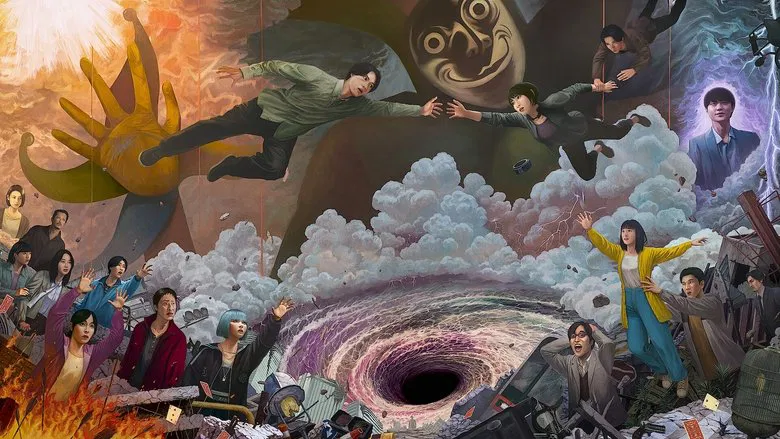
Sato’s visual language is nothing short of breathtaking. The opening sequence, where Arisu and his friends emerge from a Shibuya Station restroom to find the world’s busiest crossing utterly deserted, is a masterclass in atmospheric storytelling. This is not the dark, rainy neo-noir of *Blade Runner*; this is the terrifying brightness of an empty afternoon. The uncanny valley of a silent Tokyo strikes a deeper chord than any monster could. It suggests that our civilization is fragile, a temporary arrangement that can be blown away like dust, leaving us alone with our choices.
The games themselves are categorized by playing card suits—Spades for physical strength, Diamonds for intellect, Clubs for teamwork, and the dreaded Hearts for psychological betrayal. It is here that the series distinguishes itself from its contemporaries like *Squid Game*. While the latter critiques capitalism, *Alice in Borderland* critiques human nature itself. The violence is never gratuitous; it is always a consequence of character flaws—panic, selfishness, or a lack of resolve.
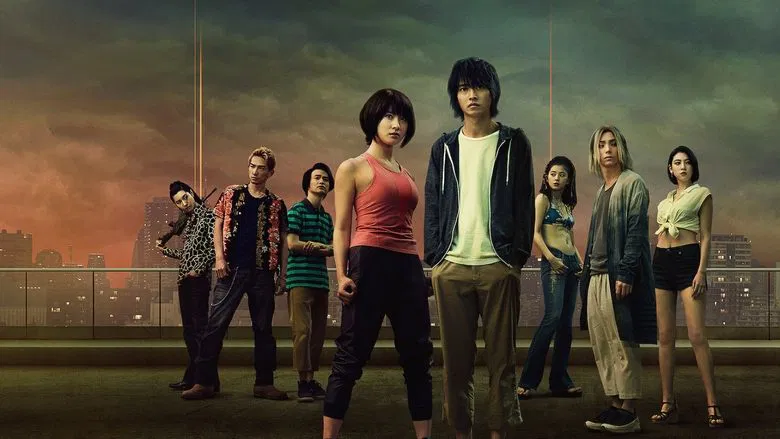
At the heart of this chaos is Yamazaki’s performance as Arisu. He is not a traditional action hero. He is analytical, yes, but he is also paralyzed by grief and self-doubt. His journey is not about becoming a warrior, but about finding a reason to exist. In the harrowing "Game of Hearts" episode in Season 1, the narrative cruelly strips away his emotional armor, forcing a sacrifice that redefines his character for the rest of the series. It is a moment of shattering emotional violence that lingers far longer than the physical gore.
Supporting him is Usagi (Tao Tsuchiya), a climber who navigates the physical world with the grace Arisu lacks. Their partnership is the show’s emotional anchor, a testament to the idea that survival is not just about breathing, but about connection. As the series progresses into its second season, introducing the "Face Cards"—citizens of this world who have accepted its madness—the philosophical debate deepens. Is it better to rule in hell than serve in a heaven that rejected you?

*Alice in Borderland* is a triumph of adaptation, translating the kinetic energy of manga into a cinematic experience that feels heavy with consequence. It challenges the viewer not just to watch the games, but to play them internally. In a landscape of streaming saturation, Shinsuke Sato has crafted a rare gem: a blockbuster that demands you think as hard as your heart pounds. It is a savage, beautiful reminder that to live is to choose, over and over again, even when the deck is stacked against you.