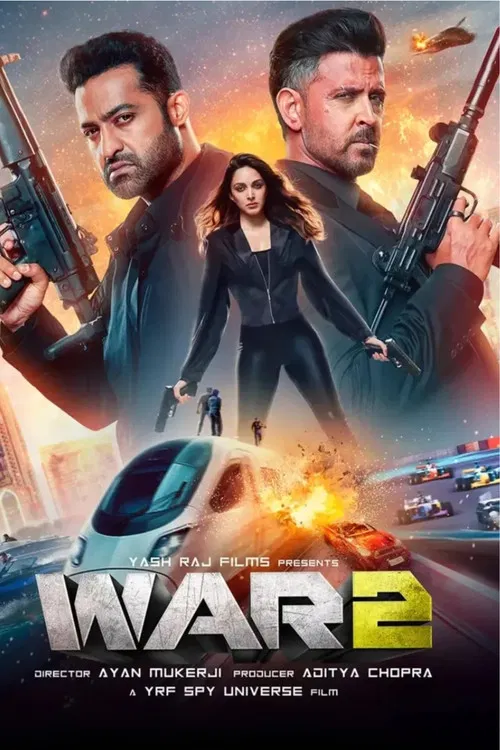
The Architecture of EscalationIn the modern blockbuster economy, the sequel is often a hostage to the law of diminishing returns—louder, faster, and emptier than its predecessor. Yet, Ayan Mukerji’s *War 2* arrives not merely as an extension of the Yash Raj Films Spy Universe, but as a fascinating collision of directorial sensibilities. Where Siddharth Anand’s original *War* (2019) was a slick, glossy exercise in homoerotic tension and high-octane vanity, Mukerji—best known for the coming-of-age introspection of *Wake Up Sid* and the mythic ambition of *Brahmastra*—attempts to inject a soul into the machine. The result is a film that struggles against its own commercial mandate, offering a spectacle that is visually suffocating yet undeniably compelling in its emotional desperate pleas.
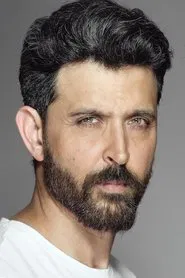
Mukerji’s visual language here is a departure from the polished, almost sterile aesthetic of the franchise’s previous entries. He favors a darker, more textured palette, particularly in the film’s first act, where Kabir (Hrithik Roshan) is found navigating the "Kali Cartel." The camera lingers less on the gleaming surfaces of supercars and more on the weathered faces of men burdened by duty. The action sequences, while gargantuan, are filmed with a chaotic intimacy. A standout sequence involving a stealth bomber hijacking isn't just a display of budget; it’s a claustrophobic nightmare that emphasizes the fragility of the human bodies inside the metal. Mukerji seems determined to remind us that gravity exists, even if the script frequently defies it.
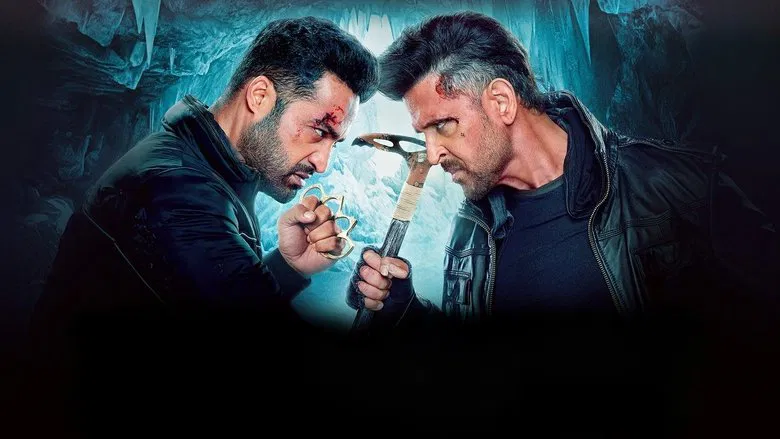
However, the film’s true friction lies in its central casting coup. The introduction of Jr. NTR as Agent Vikram (later revealed as Raghu) provides the necessary counterweight to Roshan’s stoic, statuesque Kabir. If Roshan is the marble deity of this universe—unreachable and perfect—NTR is the earth beneath him, volatile and shifting. Their dynamic is not the playful mentorship of the first film but a tragic brotherhood fractured by history.

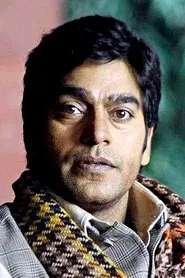
The narrative, penned by Shridhar Raghavan and Abbas Tyrewala, attempts to weave a complex web of betrayal involving the assassination of Colonel Luthra (Ashutosh Rana) and a childhood friendship gone wrong. Yet, the script often buckles under the weight of required "universe building." The constant need to reference *Pathaan* or set up the upcoming *Alpha* drains the tension from the immediate story. We are watching a bridge to the next product rather than a self-contained tragedy.
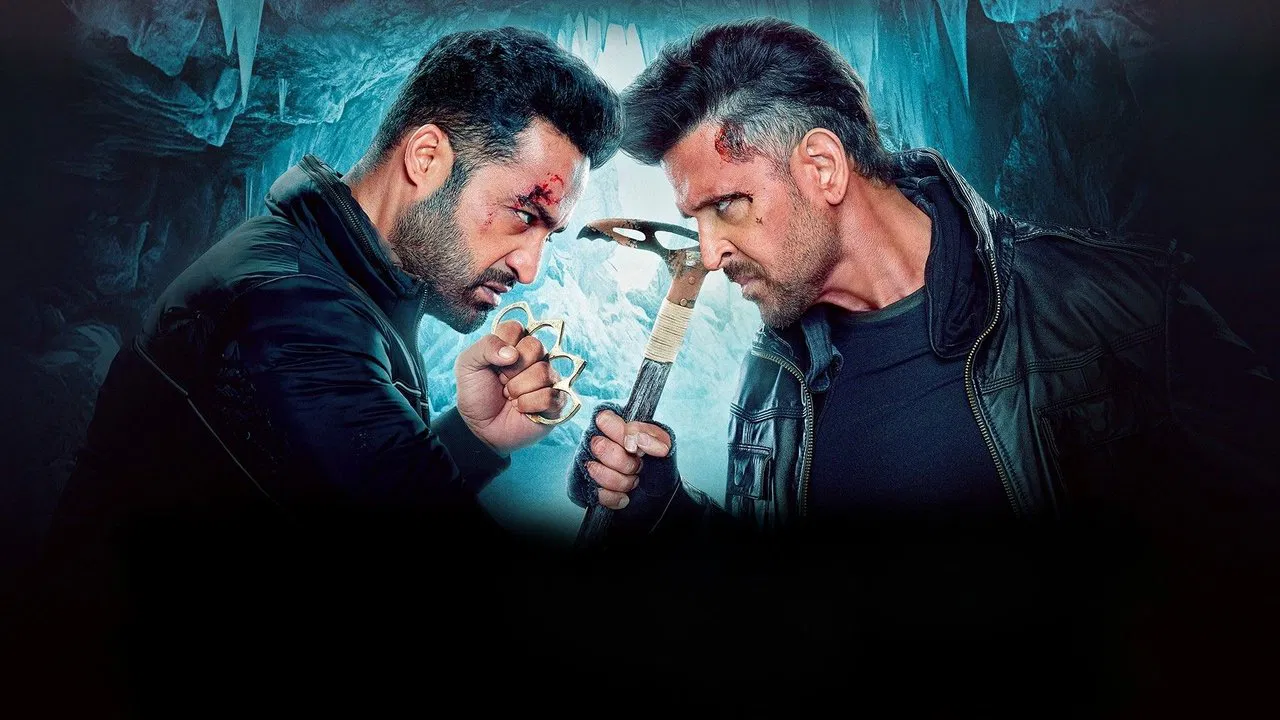
Despite this, the climax in the ice cave stands as a testament to what this film could have been. Stripped of the gadgets and the geopolitics, it reduces the conflict to two men grappling with their resentment. Here, Mukerji’s influence shines brightest; he transforms a standard fistfight into a primal scream of abandonment. It is in these moments—when the explosions stop and the silence rushes in—that *War 2* briefly transcends its genre to become a study on the loneliness of the patriot.

Ultimately, *War 2* is a film at war with itself. It tries to marry the emotional grandeur of Indian mythology with the cold precision of a Hollywood espionage thriller. It doesn't always succeed—the pacing is uneven, and the "twist" regarding Raghu’s allegiance feels more calculated than earned. But in an era of assembly-line blockbusters, there is something admirable about a film that tries to locate a heartbeat amidst the wreckage. It is a flawed, thunderous beast, proving that even in a universe built on artificial intelligence and green screens, the most dangerous weapon remains the human heart.