The Acoustics of SolitudeIn the modern streaming ecosystem, the "Wattpad adaptation" has become a genre unto itself—often characterized by glossy melodrama, toxic bad boys, and narrative structures that betray their serialized, fan-fiction origins. It is easy to dismiss the entire category as algorithmic content designed for the TikTok scroll. Yet, *Follow My Voice* (*Sigue mi voz*), the latest adaptation of Ariana Godoy’s work, attempts a different frequency. Directed by Inés Pintor and Pablo Santidrián—the duo behind the exquisitely fragmented Netflix series *The Time It Takes*—this film strives to quiet the noise of the genre, replacing high-octane angst with a hushed, wintry introspection.

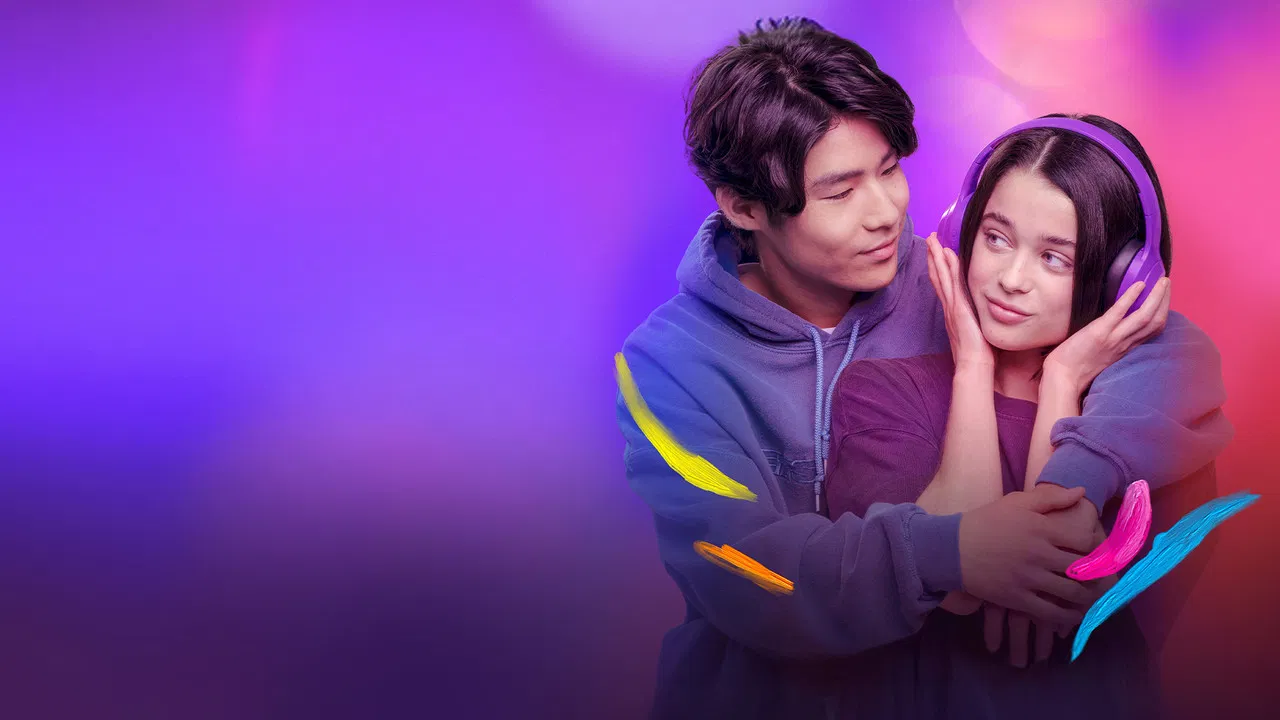
The premise is ostensibly simple, bordering on the formulaic. Klara (Berta Castañé) has been housebound for 76 days, a self-imposed exile driven by a health crisis that the film peels back with deliberate slowness. Her lifeline is a radio broadcast hosted by Kang (Jae Woo), whose disembodied voice becomes her anchor in a sea of anxiety. Where a lesser film might have treated the radio show as a mere meet-cute device, Pintor and Santidrián seem genuinely interested in the acoustics of loneliness. The film’s sound design is its strongest character; the crackle of the broadcast and the silence of Klara’s room create a sensory deprivation tank that forces the audience to listen as closely as she does.
However, the directors’ signature intimacy—usually so effective in exploring heartbreak—occasionally struggles against the source material’s melodramatic bones. The visual language is undeniably polished, favoring soft focus and a cool, snowy palette that externalizes Klara’s frozen internal state. Yet, there are moments where the aesthetic feels suffocatingly curated, as if the messiness of trauma has been airbrushed for mass consumption. The film wants to be a raw exploration of survival, but it sometimes settles for being merely beautiful to look at.

The true weight of the film rests on Berta Castañé’s shoulders, and she carries it with a surprising fragility. The narrative reveal—that Klara’s isolation stems not just from generic anxiety, but from the physical and psychological scars of cancer and a mastectomy—shifts the film’s axis. This is not just about a girl afraid to go outside; it is about a young woman terrified of being *seen*. The romance with Kang, while sweet, is secondary to the romance Klara must rekindle with her own body. The scene where she finally reveals her scars is handled with a tenderness that feels earned, moving beyond the voyeuristic gaze often found in teen dramas.
Nevertheless, the film falters in its third act, succumbing to the inevitable narrative beats of the genre. The conflict feels manufactured to pad the runtime, and the resolution arrives with a tidiness that betrays the complexity of the trauma introduced earlier. Kang, despite Jae Woo’s charming performance, remains largely a manic pixie dream boy—a voice without enough echo.

Ultimately, *Follow My Voice* is a film at war with its own format. It reaches for the poetic realism of independent cinema but is tethered to the commercial expectations of a YA blockbuster. It succeeds as a sensory experience—a gentle, humming meditation on how we use other people’s voices to drown out our own fears—even if the melody is one we have heard before. It may not revolutionize the coming-of-age genre, but for a brief hour and a half, it asks us to stop scrolling and simply listen.