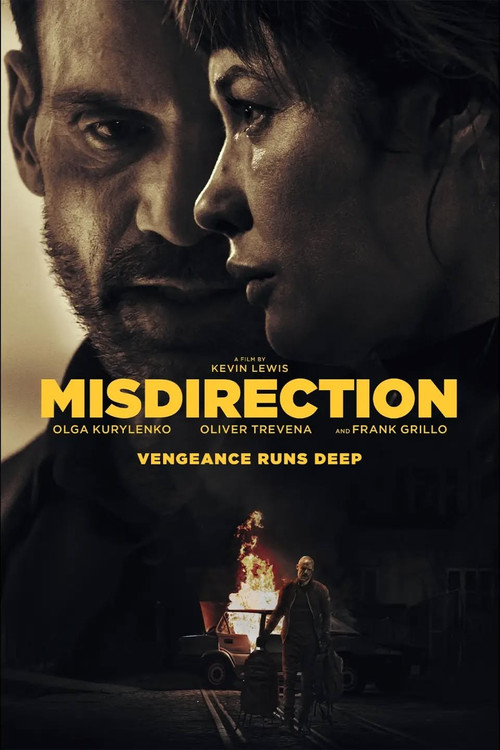
The Glass TrapIn the architecture of the modern thriller, the "one last job" narrative is a load-bearing wall—remove it, and the genre risks collapse. Yet, in *Misdirection* (2026), director Kevin Lewis (best known for the mute,animatronic carnage of *Willy’s Wonderland*) attempts to renovate this tired structure not by tearing it down, but by enclosing it in a suffocating layer of plexiglass. Lewis shifts from the grindhouse excess of his previous work to a sleeker, colder aesthetic, presenting a film that functions less like a heist movie and more like a morality play staged inside a brutalist aquarium.
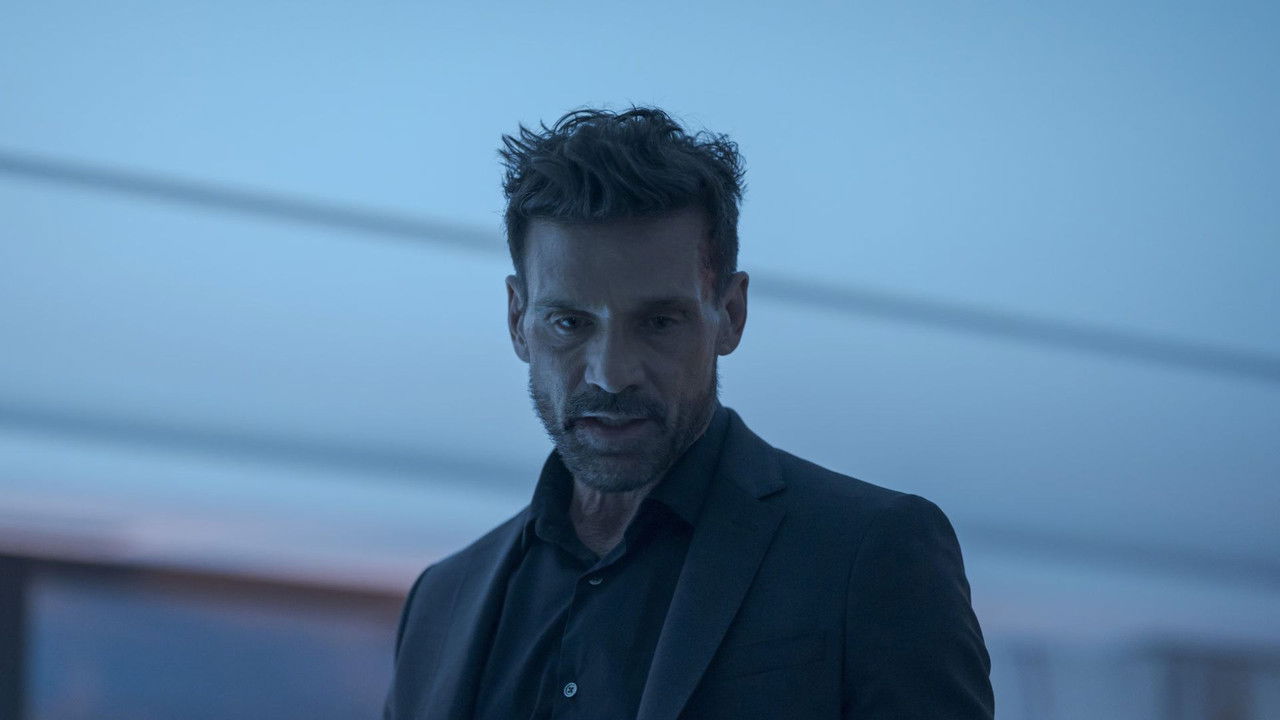
The premise is deceptively simple: Sara (Olga Kurylenko) and Jason (Oliver Trevena), a couple shackled by debt to a nameless mob, target the fortress-like home of David Blume (Frank Grillo), a high-profile defense attorney. When Blume returns early, the film seemingly locks into the "home invasion" gear. However, Lewis is less interested in the mechanics of the robbery than in the geometry of the trap. The cinematography favors hard lines and reflective surfaces; the house is not a home but a showroom of sins, where the characters are constantly framed by glass, suggesting they are all specimens under observation. The visual language here is clinically precise—a stark contrast to the chaotic color palette of *Willy’s Wonderland*—creating an atmosphere where wealth feels sterile and dangerous.
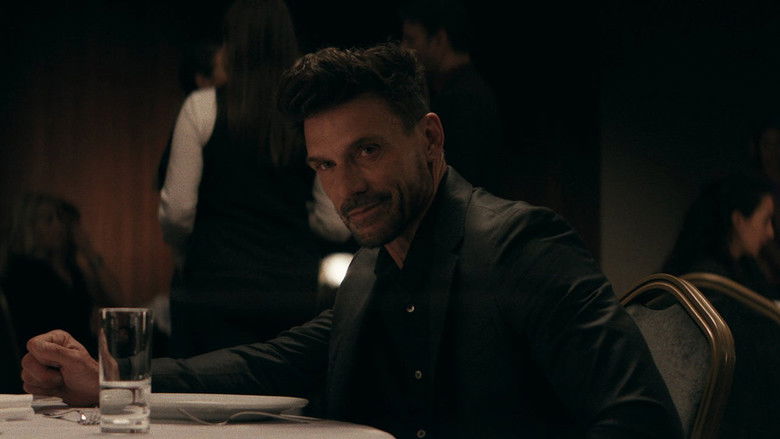
The film’s heart beats in the triangular tension between its leads. Frank Grillo, often typecast as the bruised action hero, is weaponized here as something far more sinister: the predator in a suit. His performance anchors the film’s central "misdirection." He is not the hapless victim of a break-in but a spider whose web was disturbed. Kurylenko matches him with a brittle intensity, her character peeling back layers of deception to reveal that her motivation isn't financial desperation, but a vengeance that feels almost biblical. The interplay isn't just about who has the gun; it's a psychological wrestling match about guilt and the cost of survival. The script, however, occasionally stumbles, mistaking exposition for depth, particularly in the second act where the "cat and mouse" dynamic threatens to run in circles.
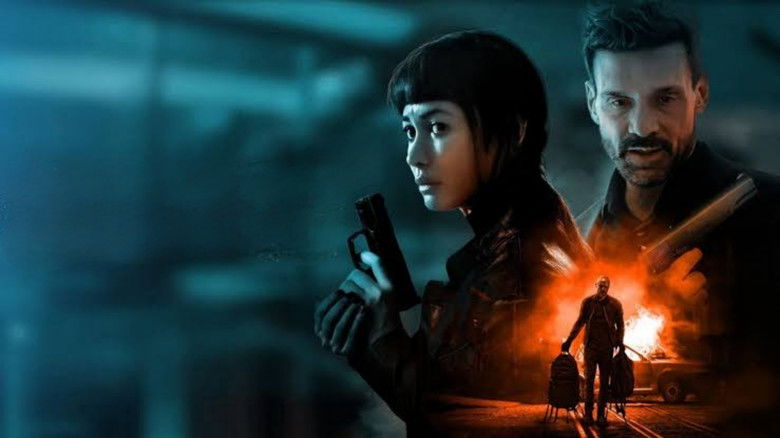
Ultimately, *Misdirection* is a film that struggles against the weight of its own title. It promises a labyrinth but delivers a hallway—straight, narrow, and leading exactly where you suspect it might. Yet, it remains a compelling watch for its cynicism. In Lewis's world, there are no innocent bystanders, only hunters and the hunted, trapped together in a cage of expensive taste. It may not reinvent the noir wheel, but it spins it with enough sleek conviction to remind us that in a house of mirrors, the scariest reflection is always your own.