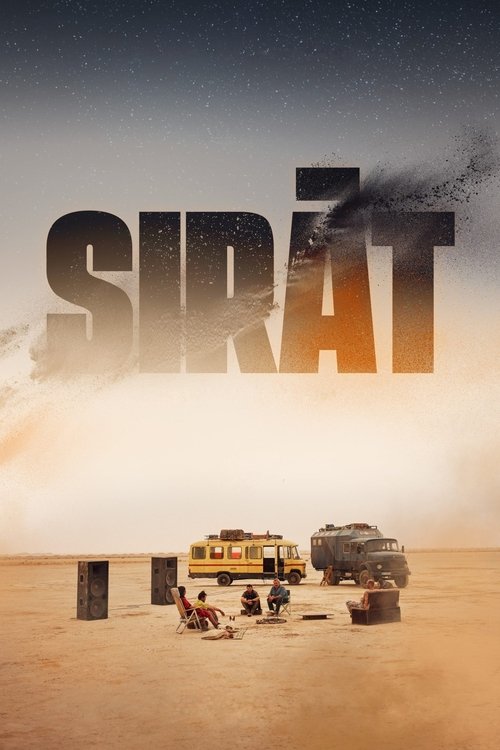
Dancing on the Razor's EdgeIn Islamic eschatology, *As-Sirāt* is the hair-narrow bridge that spans the chasm of hell, a path every soul must traverse to reach paradise. It is a place of perilous transit, where the righteous pass like lightning and the unrighteous falter into the abyss. Oliver Laxe’s latest film, *Sirāt* (2025), is not interested in the destination of paradise, nor necessarily the punishment of hell. Instead, it is obsessed with the vertigo of the bridge itself. Following the quiet devastation of *Fire Will Come* (2019) and the mystical wandering of *Mimosas* (2016), Laxe has cemented his status as European cinema’s great metaphysical roamer. Here, he trades the verdant hills of Galicia for the parched expanse of the Moroccan Sahara, delivering a film that vibrates with a terrifying, kinetic energy.
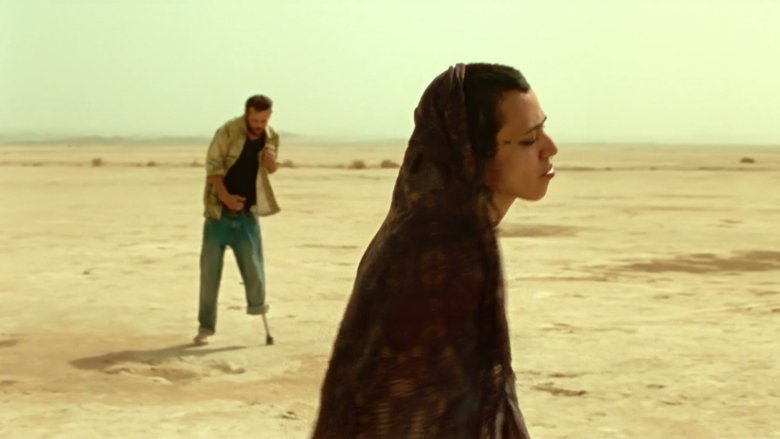
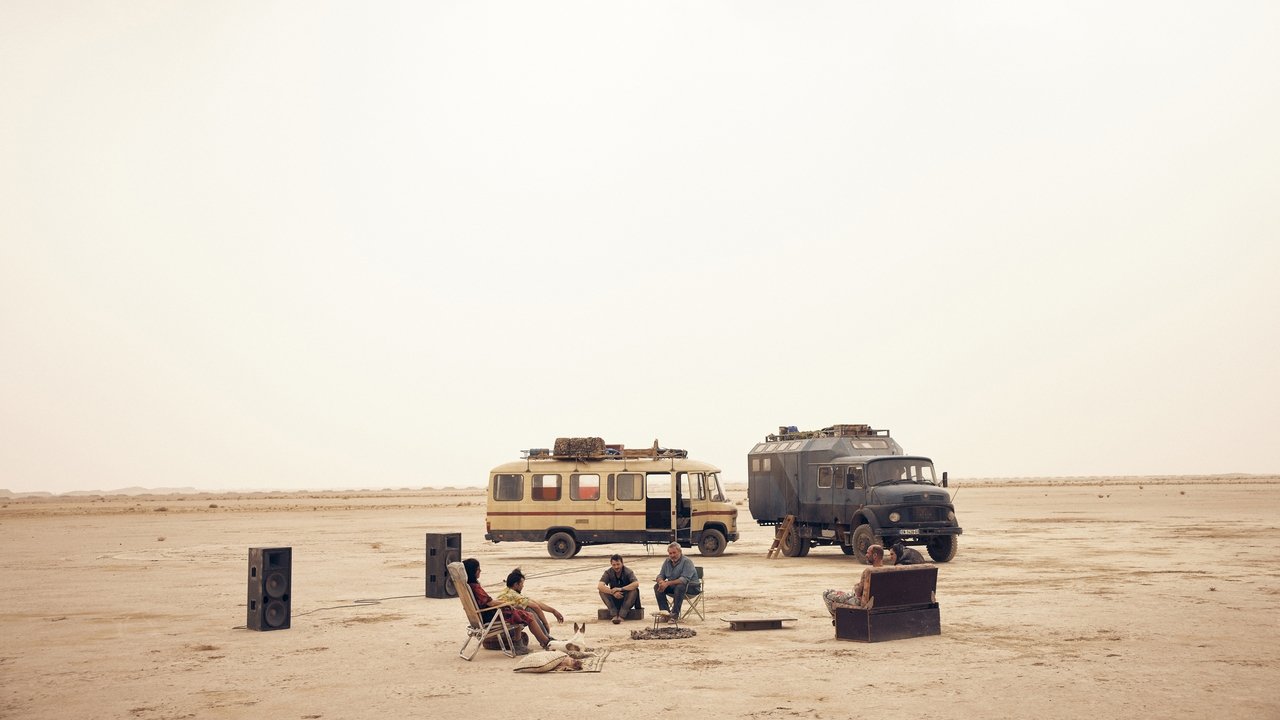
The narrative framework is deceptively simple, echoing the frantic search of *The Searchers* or *Hardcore* but stripped of moral certainty. Luis (a formidable Sergi López) and his young son arrive at a sprawling rave in the Moroccan dunes, searching for Marina, a daughter and sister swallowed by the beat months prior. When the party migrates, they follow a convoy of nomadic hedonists deeper into the waste, chasing a phantom hope. But Laxe, working with cinematographer Mauro Herce, refuses to shoot this as a standard procedural. Shot on gritty 16mm, the film possesses a tactile hostility; the sand feels abrasive, the sun blinding. The visual language is one of disorientation. The desert is not a void here, but a claustrophobic space crowded with noise, dust, and the mechanical hulks of sound systems.
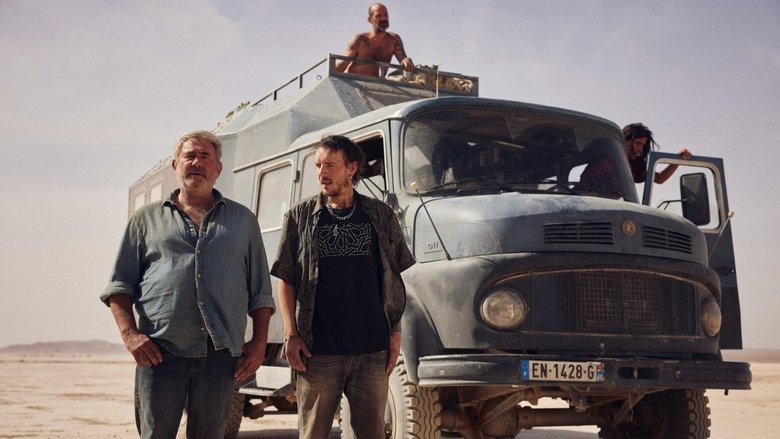
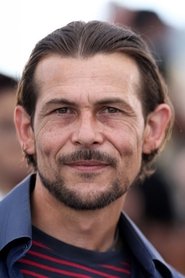
Central to the film’s power is its sonic architecture. The score by Kangding Ray does not merely accompany the images; it assaults them. The relentless thrum of techno acts as a heartbeat for the film, blurring the line between euphoria and torture. Laxe captures the trance state of the ravers not with judgment, but with an anthropologist's curiosity that slowly curdles into dread. These Western wanderers, seeking transcendence through chemicals and bass in a land scarred by vague, looming conflict, represent a specific kind of spiritual colonialism. They are trying to dance their way out of history, while Luis, grounded by the desperate gravity of fatherhood, is the only one feeling the weight of the earth beneath his feet. Sergi López gives a performance of silent tectonic plate shifts; his face is a map of panic suppressed by sheer will.

The film’s brilliance lies in how it collapses the distance between the sacred and the profane. The "Sirāt" of the title is the journey these characters undertake—a razor's edge between the oblivion of the drug-fueled "now" and the reality of a world falling apart at the seams. Laxe does not offer the comfort of a resolution. As the convoy pushes further into the dark, the film transforms into a sensory hallucination, questioning whether these lost souls are moving toward salvation or simply circling the drain. It is a cinema of pure sensation that demands the viewer surrender to its rhythm, leaving us, like the characters, exhausted, shaken, and stranded on the bridge.