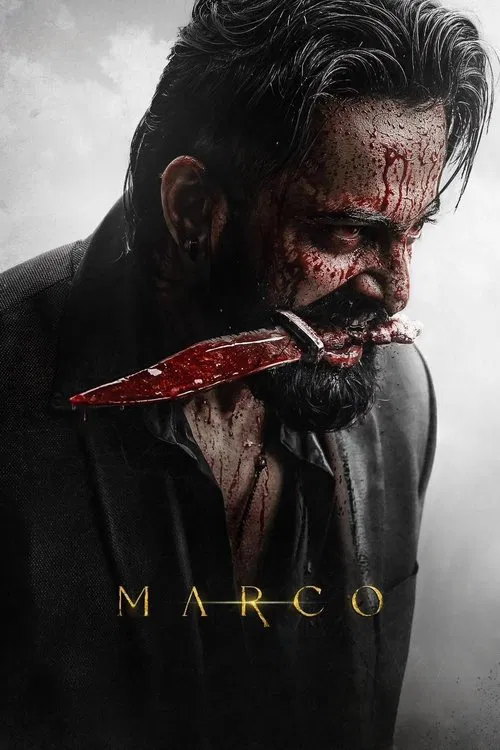
The Poetry of CrueltyIf cinema is a mirror held up to nature, Haneef Adeni’s *Marco* is less a mirror and more a shattered pane of glass—jagged, dangerous, and reflecting a distorted, blood-soaked reality. Released in 2024 as a spin-off to Adeni’s earlier work *Mikhael* (2019), this film demands to be understood not merely as an action vehicle for Unni Mukundan, but as a provocative artifact in the escalating arms race of cinematic violence. It poses a discomforting question that lingers long after the credits roll: at what point does stylization cease to be an artistic choice and become a test of endurance?

Adeni’s visual language in *Marco* is undeniably seductive, operating on a frequency of "neo-noir excess." The director, collaborating with cinematographer Chandru Selvaraj, paints a world that is suffocatingly sleek. The frames are drenched in shadows and neon, creating a high-contrast purgatory where the only vibrant color is red. This isn't the gritty, handheld realism of 1970s crime dramas; it is the polished, almost operatic aesthetic of the modern graphic novel. Every punch, stab, and gunshot is choreographed with the rhythmic precision of a dance, backed by Ravi Basrur’s thundering score that seems to vibrate in the viewer’s chest. The technical competence on display is staggering, creating a hermetically sealed universe where logic is secondary to the visceral impact of the image.
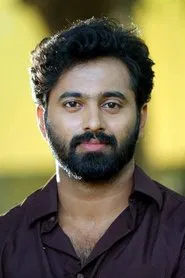
However, beneath this gloss lies the film’s contentious heart: its protagonist. Unni Mukundan approaches the titular role with a chilling stillness. As the adoptive son of the Adattu crime family seeking vengeance for his brother, he is stripped of the typical "hero" accouterments. He is a monolith of rage, a man who views the world through a lens of absolute nihilism. The performance is physical and imposing, yet it highlights the script's central void. We are asked to follow a man whose primary mode of expression is butchery. When a film strips away the moral struggle, we are left not with a tragedy, but with a slaughterhouse.

The controversy surrounding *Marco*—centered on its extreme depiction of violence against the vulnerable—is not just noise; it is the text itself. In scenes that push the boundaries of mainstream Indian cinema (reminiscent of the polarizing reception of *Animal* or *Kill*), Adeni seems to be challenging the audience’s desensitization. Yet, one must ask if the film earns its cruelty. Great noir often uses violence to expose the rot in the human soul; *Marco* occasionally risks using it as mere texture, a backdrop as decorative as the wallpaper in a villain’s lair. The narrative, driving toward the inevitable clash with the rival Isaac family, often feels like a fragile skeleton struggling to support the weight of its own brutality.
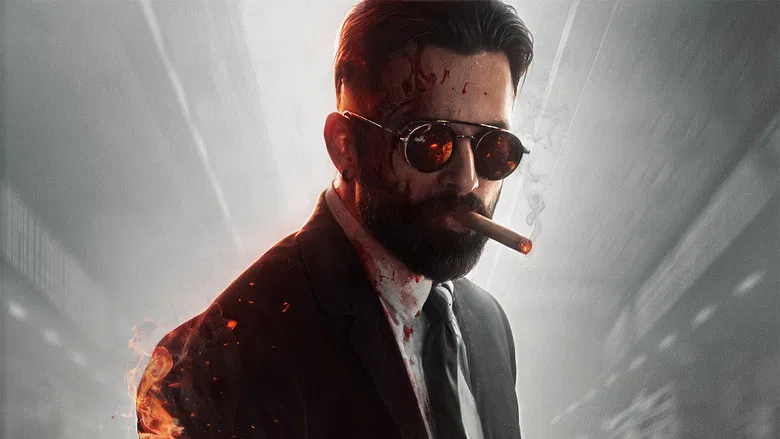
Ultimately, *Marco* stands as a fascinating, if polarizing, monument to the modern appetite for "mass" cinema. It is a technical triumph that struggles to find its spiritual footing. For those who view action cinema as a kinetic art form, there is much to admire in its fearless commitment to style. But for those seeking the human element—the "why" behind the "how"—the film remains a beautiful, terrifying enigma. It leaves us staring at the carnage, wondering if we are witnessing a character's descent into hell, or simply the director’s fascination with the fire.