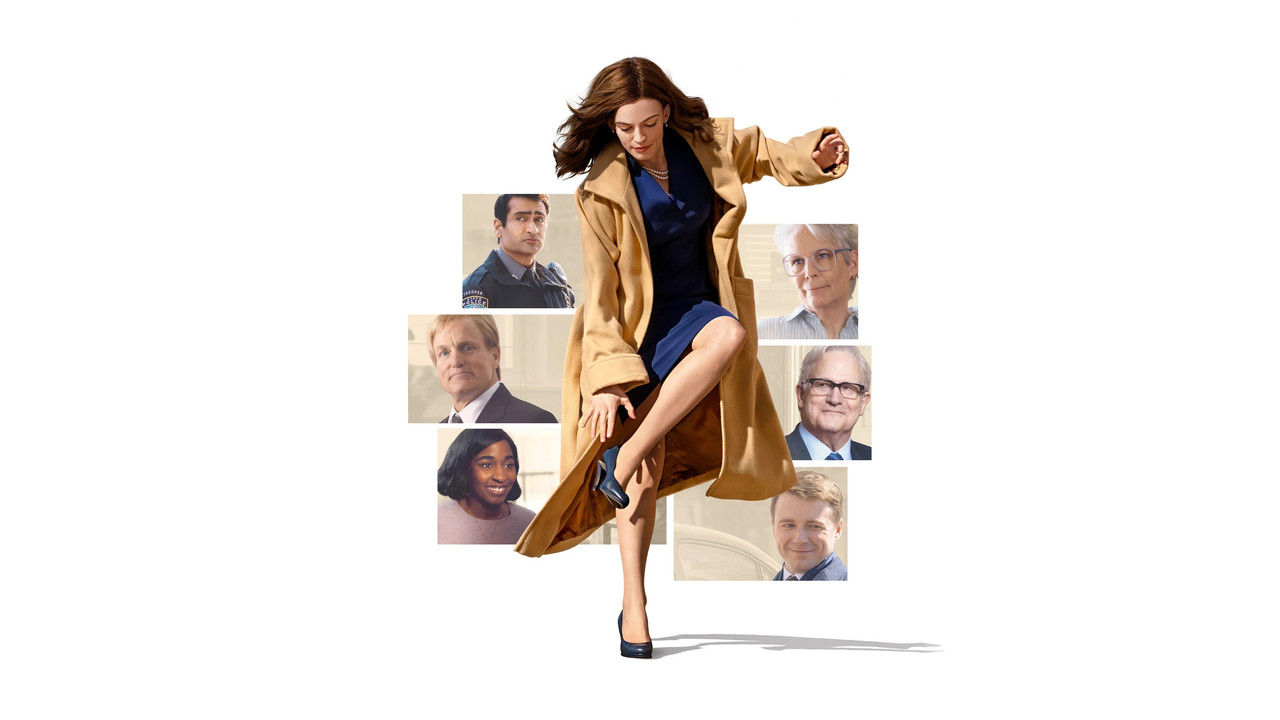
The Architecture of Good IntentionsJames L. Brooks has always been the cinema’s great humanist of the neurotic. In masterpieces like *Broadcast News* and *Terms of Endearment*, he argued that our professional competencies and our personal disasters are not just parallel tracks, but deeply intertwined vines choking the same garden. With *Ella McCay*, his first directorial effort in fifteen years, Brooks returns to this fertile ground, attempting to cultivate a story about the intersection of public service and private chaos. It is a film that vibrates with the anxiety of a good person trying to remain good in a system designed to erode the soul, yet it often feels like a melody we remember but can no longer quite hum.
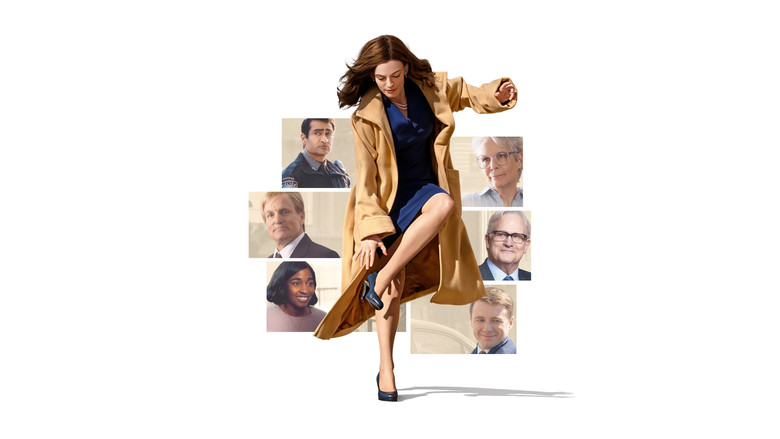
Set curiously in 2008—a choice that feels less like a period piece and more like a retreat to a pre-cynical political innocence—the film follows Ella (Emma Mackey), a young Lieutenant Governor poised to inherit the top job. Visually, Brooks and cinematographer Robert Elswit frame the corridors of power not as the shadowy dens of *House of Cards*, but as bustling, brightly lit workspaces akin to a high-stakes newsroom. The camera moves with a frantic, Sorkin-esque energy, trying to keep pace with Ella’s escalating crises. However, the visual language occasionally betrays the narrative; the brightness sometimes flattens the emotional stakes, making the Governor’s mansion feel more like a sitcom set than a crucible of democracy.
At the center of this whirlwind is Emma Mackey, who delivers a performance of frenetic grace. As Ella, she is a raw nerve ending in a power suit, oscillating between the steely resolve of a politician and the crumbling vulnerability of a woman whose family is a minefield. Brooks has always excelled at writing women who are smarter than their circumstances but emotionally hamstrung by the men around them, and Ella fits this lineage. Her scenes with her estranged, philandering father (Woody Harrelson) are the film’s emotional ballast. Harrelson plays the "charming monster" with terrifying ease, and it is in these quiet, painful confrontations that the film finds its footing, exploring the specific agony of loving a parent you do not respect.

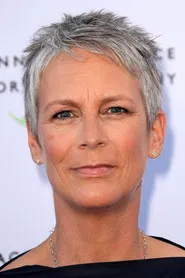
However, the film’s ambition often outpaces its execution. The script is overstuffed with the kind of quirky supporting characters that usually populate a Brooks film, but here they jostle for space rather than harmonizing. Jamie Lee Curtis, as the acerbic, truth-telling Aunt Helen, threatens to steal the movie entirely, offering a jagged vitality that the main plot sometimes lacks. Yet, other threads—particularly a subplot involving Ella’s brother and a romance that feels airlifted from a different movie—fray the narrative tapestry. The "conversation" around the film has rightly noted its disjointed nature; it feels like a season of television compressed into two hours, leaving us with whiplash rather than catharsis.

Ultimately, *Ella McCay* is a fascinating, if flawed, artifacts of a filmmaker wrestling with a world that may have moved on from his specific brand of optimism. It posits that decency is a political act, a sentiment that feels both radically necessary and somewhat naive in the 2020s. While it doesn't reach the dizzying heights of Brooks’s golden era, there is a distinct pleasure in watching him try to organize the messiness of human life into something coherent. It is a film about the difficulty of holding it together—for a state, for a family, and for oneself—and even in its stumbling, it manages to walk tall.