The Burden of ConnectionIn the lexicon of modern anime melodrama, few creative teams carry the emotional weight of the "Super Peace Busters"—the trio of director Tatsuyuki Nagai, writer Mari Okada, and character designer Masayoshi Tanaka. Their previous works, particularly *Anohana*, defined a generation of tear-jerkers rooted in the ghosts of childhood. With *Fureru.*, they return to familiar territory but shift the temporal focus. We are no longer looking back at high school regrets; we are living in the messy, unmoored reality of early adulthood. The film asks a piercing question: If we could understand each other perfectly without speaking, would we actually be closer, or just more alone together?
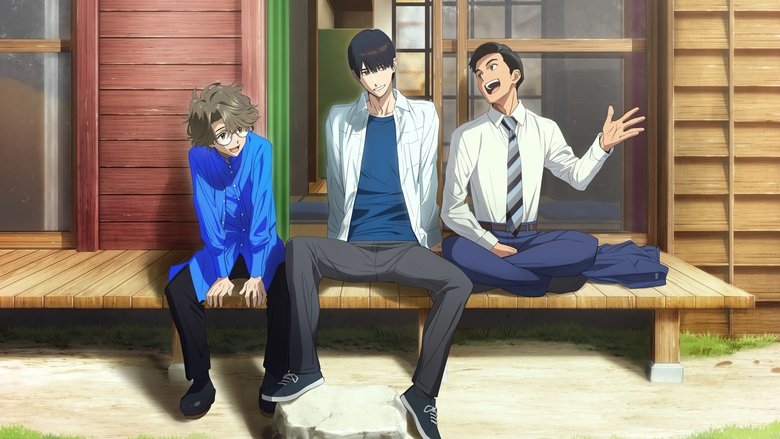
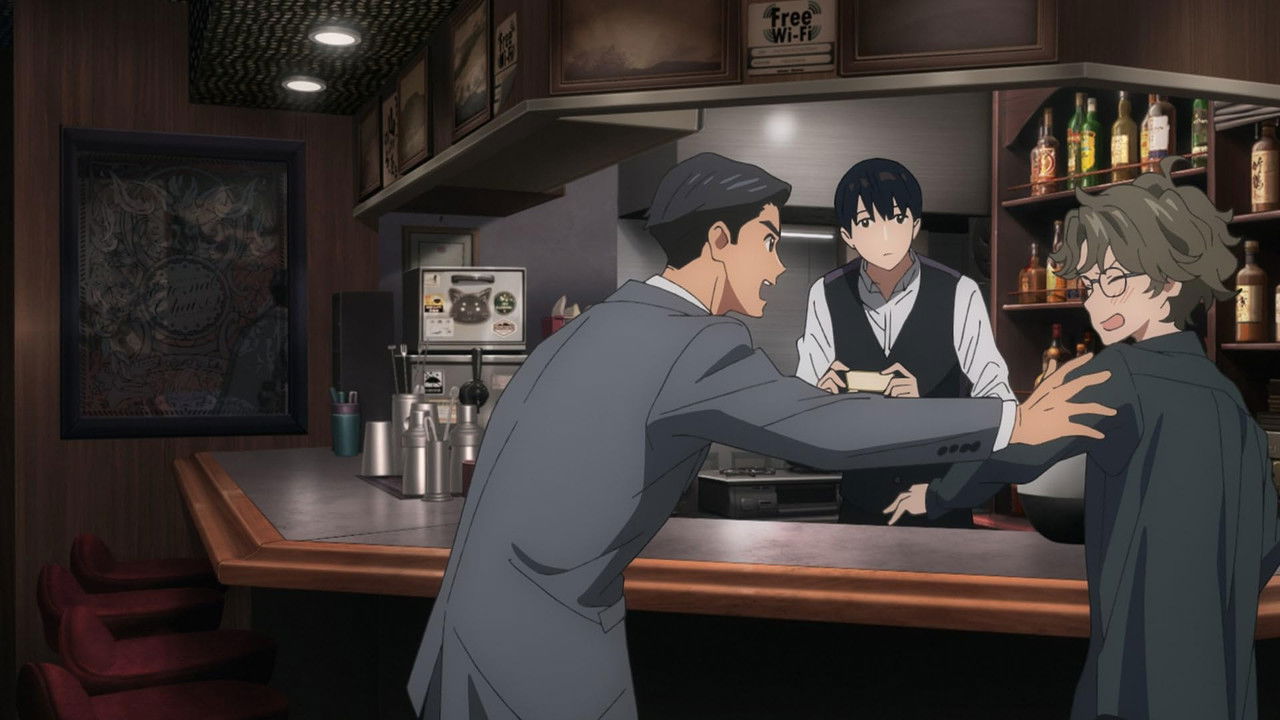
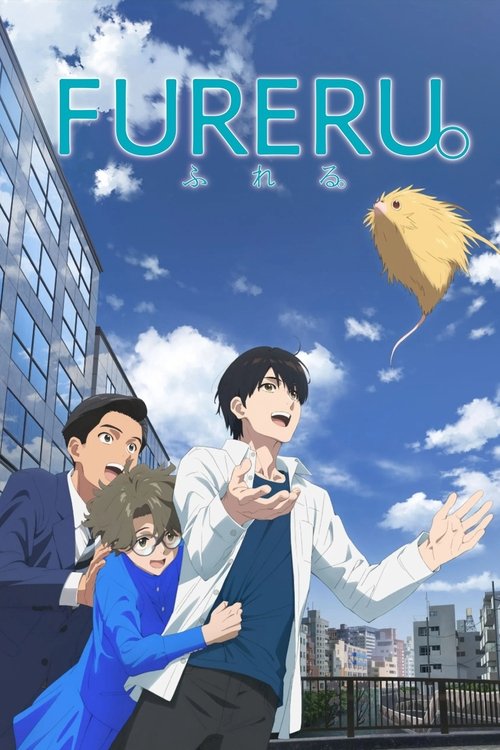
Visually, Nagai and studio CloverWorks ground the film in a hyper-specific reality. The setting of Takadanobaba in Tokyo is rendered with architectural precision—the cluttered apartments, the glow of vending machines, and the oppressive grey of the skyline serve as a stark container for the film’s fantasy elements. Into this grounded world, Nagai introduces "Fureru," a hedgehog-like creature that is equal parts adorable and unnerving. The creature is not merely a mascot; it is a narrative device made flesh. Its quills connect the three protagonists—Aki, Ryo, and Yuta—via a telepathic thread, allowing them to share sensory experiences and thoughts through touch. The animation excels here, visualizing this connection not just as magic, but as a physical sensation, a warm haze that insulates the boys from the abrasive noise of the city.
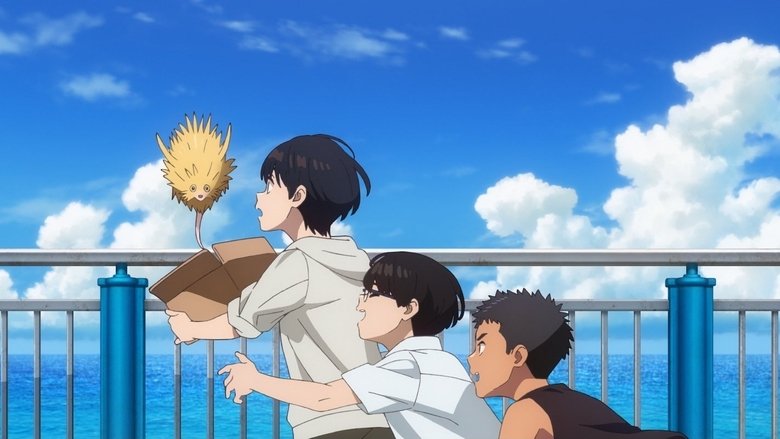
The heart of the film lies in the deconstruction of this magical convenience. For Aki, Ryo, and Yuta, the creature functions as a bypass for emotional labor. Why struggle to articulate vulnerability when a simple touch conveys the feeling instantly? However, Mari Okada’s script deftly exposes the rot within this arrangement. By removing the friction of communication, the trio has also removed the necessity of trust. When the creature’s powers begin to glitch and the "truth" becomes murky, the silence between the friends transforms from comfortable to suffocating. The film argues that true intimacy isn't about telepathic clarity; it's about the clumsy, painful, and often failed attempt to put feelings into words. The conflict is less about the supernatural stakes and more about the terrifying realization that your best friends are actually strangers.
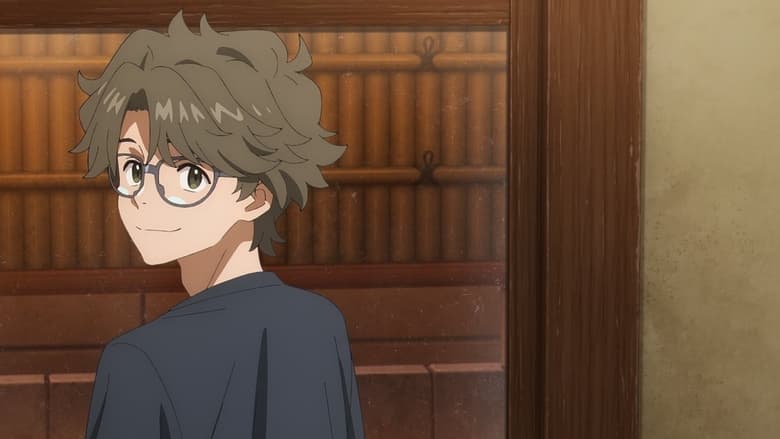
Ultimately, *Fureru.* is a maturation of the team's thematic obsessions. It lacks the explosive, wailing catharsis of *Anohana*, trading it for a quieter, more bruised resolution that feels appropriate for characters in their twenties. While the third act stumbles slightly under the weight of its own metaphysical lore, the emotional landing sticks. It is a film that champions the "friction" of human relationships—the idea that to truly touch someone's heart, you must risk the possibility of hurting them, without the safety net of magic to soften the blow.