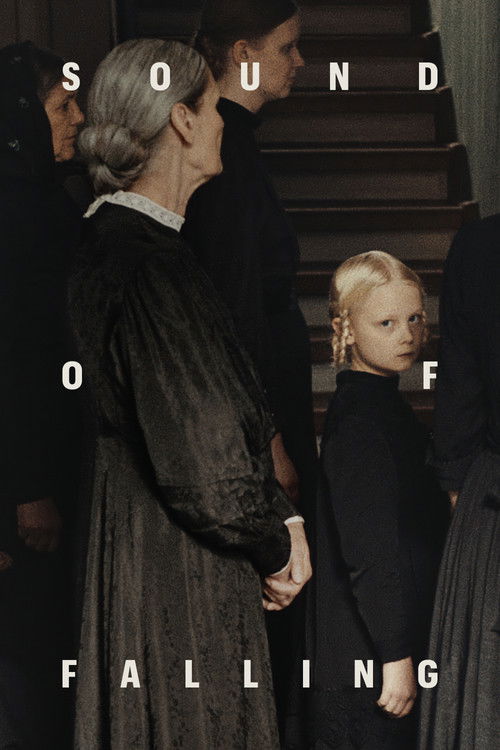
The Architecture of EchoesTime, in the hands of Mascha Schilinski, is not a river flowing forward, but a deep, stagnant well where the water of the present tastes inextricably of the past. With her sophomore feature, *Sound of Falling* (In die Sonne schauen), Schilinski has crafted not merely a period drama, but a sensory séance. While it arrived at Cannes with the weight of expectation—marking a significant return for German female auteurs to the competition—the film sheds the glossy prestige of a "festival winner" to reveal something far more feral and unsettling. It is a film that demands we do not just witness history, but inhale its stale, trapped air.
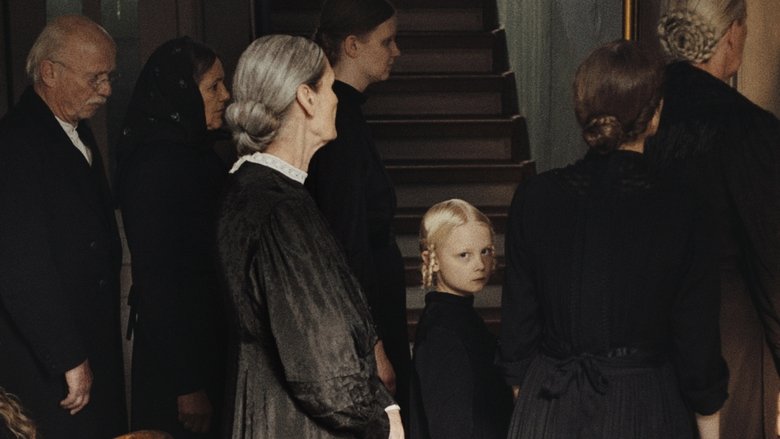
The film’s structure is a defiant act of architectural excavation. Confined to a single farmhouse in the Altmark region across four distinct eras—the twilight of the Kaiserreich in the 1910s, the post-war rubble of the 1940s, the suffocating stagnation of the GDR in the 1980s, and the present day—Schilinski refuses the comfort of chronology. Instead, she presents the house as a living organism, a witness that holds the memories its inhabitants try to repress.
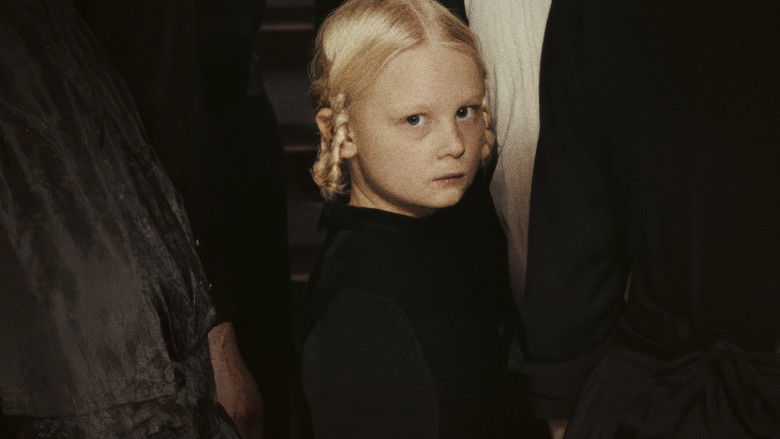
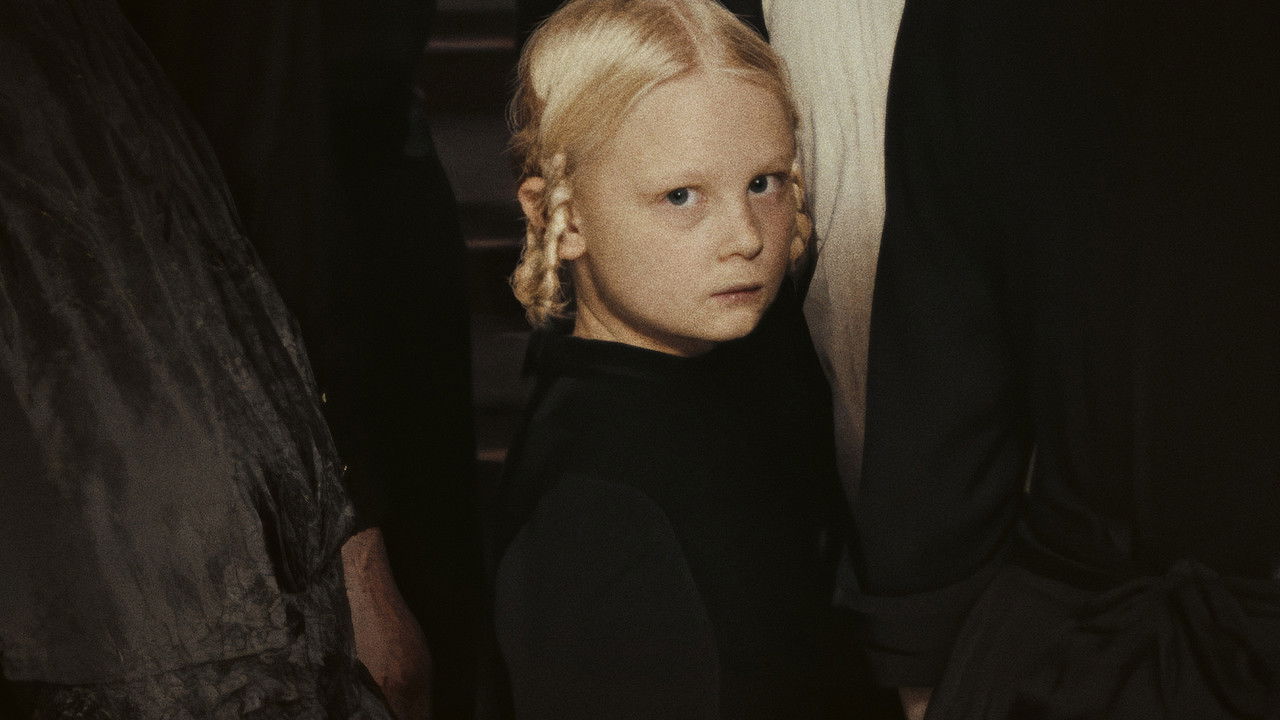
Visually, the film is a masterclass in claustrophobia. Cinematographer Fabian Gamper utilizes a boxy 1.37:1 aspect ratio that feels less like a stylistic affectation and more like a trap. The frame constricts around the protagonists—Alma, Erika, Angelika, and Lenka—forcing us into an intimacy that borders on intrusive. We are not looking at these girls; we are breathing down their necks. The camera drifts with a ghostly weightlessness, often lingering on the tactile debris of life: the sweat pooling in a navel, the rough texture of straw, or the slime of eels writhing in the nearby river. These eels serve as a potent, repulsive metaphor for the slippery, ancient trauma that connects these generations—a phallic, bottom-feeding menace that survives every regime change.
At the heart of this "hydra-headed" narrative is the silence of women. The performances are less about dialogue and more about the physical manifestation of suppression. Whether it is Alma in 1915 witnessing the mutilation of men for war, or Angelika in the 1980s navigating the predatory gaze of an uncle in a crowded commune, the trauma is rarely spoken. It is swallowed.

One of the film’s most arresting sequences involves Christa (Luise Heyer) taking a hammer to an ugly, ochre-tiled stove from the GDR era. The violence of the act is startling, not because it is loud, but because it is the only moment where the internal rage is allowed to breach the surface. Schilinski edits this destruction against the quiet despair of the other timelines, suggesting that every act of rebellion in the present is paid for by a century of submission. The sound design here is crucial—the title *Sound of Falling* refers less to a physical crash than to the internal collapse of the self, the soft, terrible noise of a soul giving way under pressure.
Schilinski also employs a "magical realism" that feels grounded in the psychology of the child. In one scene, young Alma chases a maid through the house, and as she crosses thresholds, family members seem to vanish, leaving her in a void. It is a terrifying visualization of how children perceive the sudden absences caused by war and death—people don't just die; they are erased from the rooms they once filled.
*Sound of Falling* is not an easy film. It rejects the catharsis of a traditional three-act structure, opting instead for a lingering, accumulation of sorrow that some may find frustratingly opaque. Yet, this frustration is the point. Schilinski denies us the resolution that history denied these women. By the time the credits roll, we are left with the profound sense that we are all ghosts in the making, haunting the spaces we believe we own. It is a challenging, monumental work of art that confirms cinema’s power to make the invisible weight of the past palpably, painfully real.