The Weight of MemoryIn the modern cinematic landscape, the sequel is often a cynical exercise in brand management—a victory lap for intellectual property rather than an expansion of a story's soul. However, Emma Tammi’s *Five Nights at Freddy’s 2* (2025) attempts something far more precarious. It seeks to transform a viral video game sensation into a meditation on trauma, legacy, and the corrosive nature of silence. While the film occasionally stumbles under the sheer density of its own lore, it succeeds in crafting a suffocating atmosphere where the past refuses to stay buried, and where plastic mascots become the grim avatars of a town’s collective guilt.
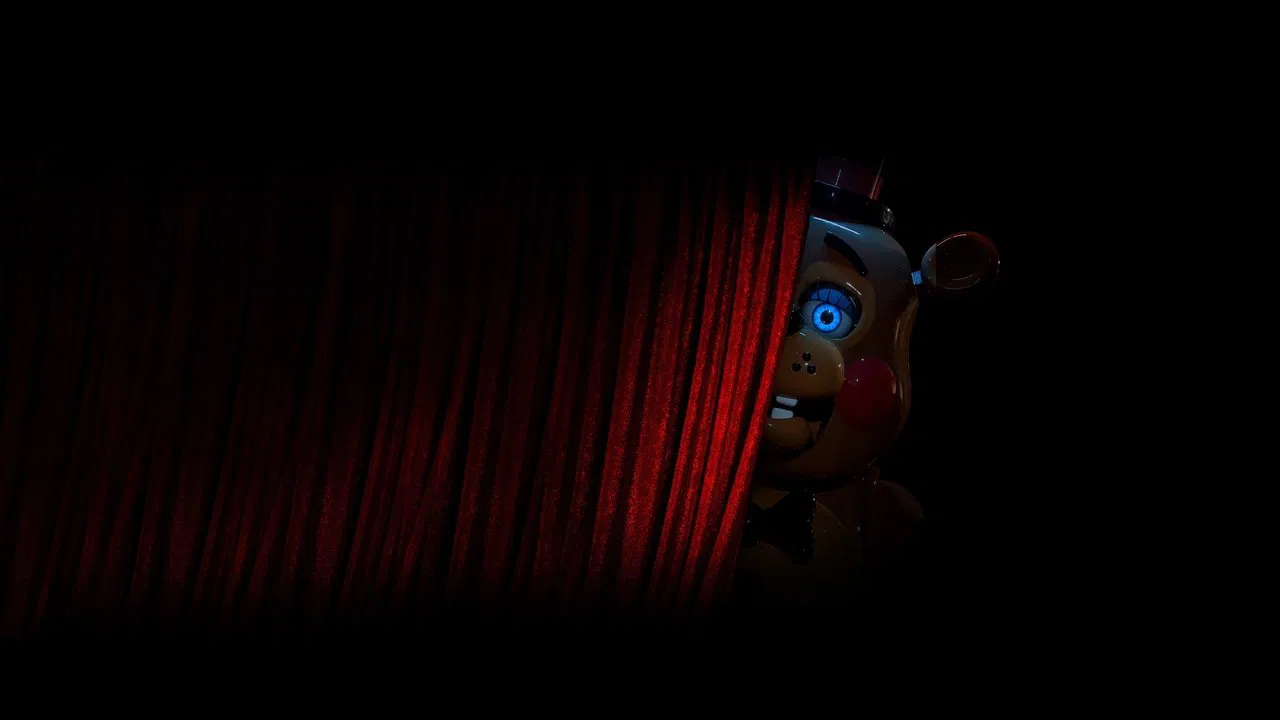
Tammi’s visual language has matured significantly since the first installment. Where the predecessor felt at times like a faithful recreation of a static environment, this film breathes with a nervous, kinetic energy. The cinematographer Lyn Moncrief utilizes a palette of sickly neons and deep, consuming shadows to turn the "Fazfest"—a town celebration of the very pizzeria where children vanished—into a grotesque carnival. It is a brilliant satirical stroke: the commodification of tragedy, where the site of a massacre becomes a kitschy tourist trap. The camera lingers on the smiling, rigid faces of the new "Toy" animatronics not just to scare us, but to mock the artificiality of the town's safety.

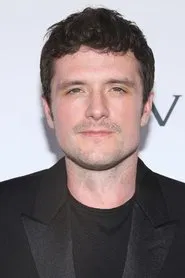
The film’s emotional anchor remains Josh Hutcherson’s Mike, a man hollowed out by the burden of guardianship. Hutcherson plays Mike with a weary, clenched-jaw intensity that grounds the supernatural chaos in recognizable human exhaustion. But the narrative heart truly belongs to the relationship between Vanessa (Elizabeth Lail) and the newly introduced spectre of the past, Charlotte Emily. The introduction of the Marionette—a lanky, tragic figure moved with uncanny grace by the creature performers—serves as the physical manifestation of the sins of the fathers. The Marionette is not a monster in the traditional sense; she is a weeping wound, a child’s plea for help twisted into vengeance.
One of the film’s most striking sequences occurs not in the pizzeria, but in a quiet moment of revelation involving a music box. The sound design here is exquisite, stripping away the ambient noise of the horror genre to focus on a delicate, tinkling melody that acts as a lullaby for the dead. It is in this scene that Tammi proves her thesis: true horror isn’t a jump scare; it is the realization that some broken things can never be fixed. The scene where Mike is forced to wear the Freddy mask—mimicking the game’s mechanics—is recontextualized here as a moment of profound dehumanization, forcing him to become the monster to survive it.
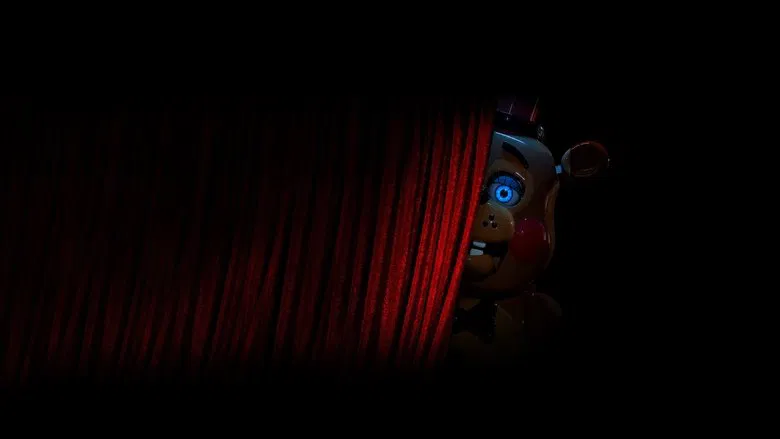
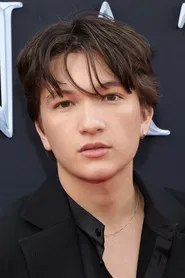
However, the film is not without its narrative clutter. The script, penned by game creator Scott Cawthon, occasionally prioritizes "lore-dumping" over character logic. The introduction of Michael Afton (Freddy Carter) feels rushed, a narrative pivot that serves the franchise's future more than the film's present. Yet, when the climax arrives—a chaotic collision of the old "Withered" animatronics and the polished new models—it achieves a kind of operatic grandeur. Seeing the decaying, broken robots defend the protagonists is a surprisingly poignant image of trauma fighting back against the sanitized lies of the present.

Ultimately, *Five Nights at Freddy’s 2* is a flawed but fascinating beast. It struggles to balance the demands of a rabid fanbase with the requirements of cohesive cinema, yet it possesses a beating, bruised heart. It suggests that while we may try to paint over our history with bright colors and new attractions, the rust and rot underneath will always eventually show through. It is a horror movie less about robots and more about the terrifying permanence of memory.