✦ AI-generated review
The Architecture of Rage
If *Uri: The Surgical Strike* was a precision airstrike—clean, tactical, and morally uncomplicated—Aditya Dhar’s *Dhurandhar* is a street brawl in the mud. It is a film that does not just want you to watch a mission; it wants you to endure it. Clocking in at a punishing 214 minutes, this 2025 release is less a spy thriller and more a descent into a geopolitical circle of hell, where the lines between national security and personal damnation blur until they are indistinguishable.
Dhar has clearly evolved from the sanitized, video-game efficiency of his debut. Here, the visual language is suffocating. The camera does not glide; it stalks. Set against the scorched architecture of Karachi’s Lyari district, the film trades the polished corridors of power for the claustrophobic alleyways of gang warfare. The violence is not stylized for applause but staged for revulsion. When bone breaks here, it echoes. This shift in aesthetics—from the clean kill to the messy execution—suggests a director grappling with the darker, stickier realities of intelligence work. It is an ambitious pivot, moving away from the "super-soldier" mythos toward a grim examination of the human assets we burn to keep the peace.
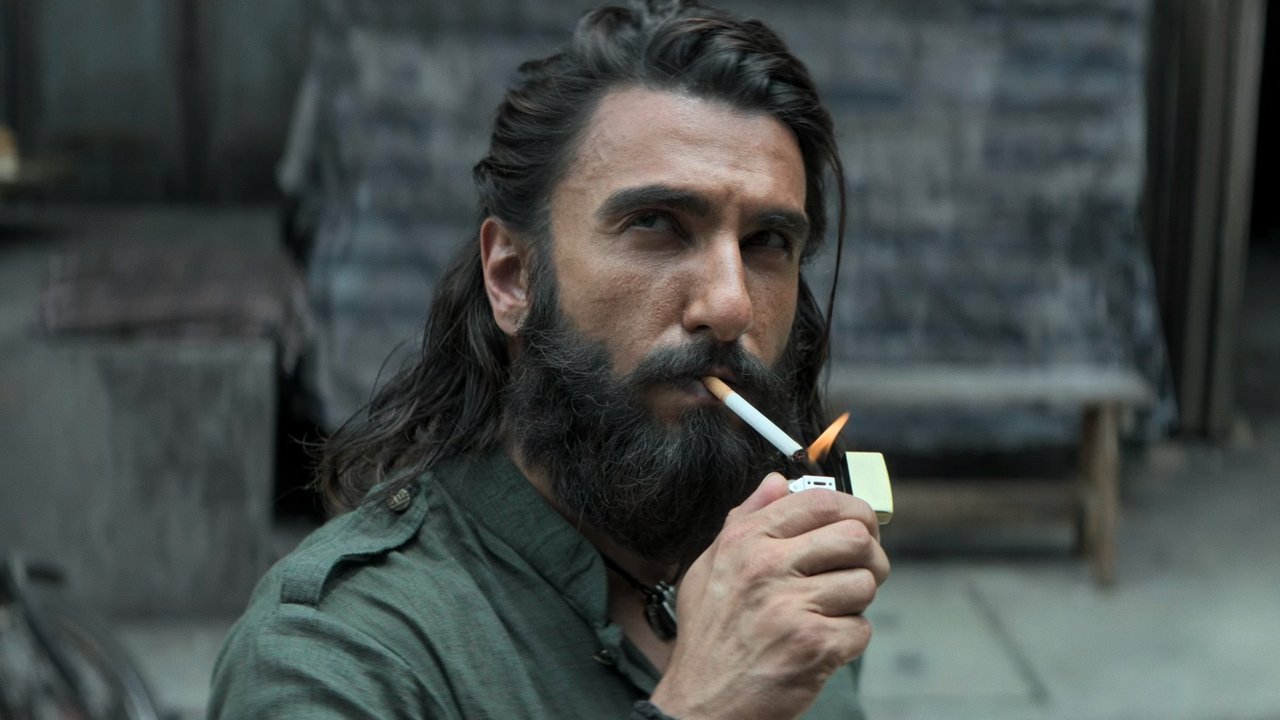
At the center of this sprawling tapestry is Ranveer Singh as Hamza, a performance stripped of the actor's usual flamboyant excess. Singh plays Hamza not as a James Bond clone, but as a vessel of repressed trauma, a convict repurposed into a weapon by R. Madhavan’s calculating spymaster, Ajay Sanyal. Singh’s eyes, usually dancing with manic energy, are deadened here, conveying the hollow exhaustion of a man who knows he is expendable.
However, the film’s gravitational pull belongs entirely to Akshaye Khanna. As the gangster Rehman Dakait, Khanna is a terrifying void of morality. He avoids the mustache-twirling theatrics common to the genre, instead playing the villain with a quiet, reptilian stillness that makes every scene he inhabits feel unsafe. The dynamic between Singh’s desperate infiltrator and Khanna’s philosophical warlord provides the film’s most electrifying moments, far more potent than the pyrotechnics of the action sequences.
Yet, *Dhurandhar* collapses periodically under its own colossal weight. The narrative ambition is staggering—linking the trauma of IC-814 to the carnage of 26/11—but the film often confuses endurance with depth. The relentless brutality, while effective in spurts, eventually risks numbing the audience rather than horrifying them. The inclusion of a romantic subplot with Sara Arjun, likely intended to provide an emotional anchor, instead feels like a narrative life raft in a sea of blood, offering a respite that the film’s grim tone refuses to earn.
Ultimately, *Dhurandhar* is a fascinating, flawed monolith. It rejects the candy-colored escapism of contemporary "spy universes" in favor of something far more abrasive. It posits that the cost of safety is not just bravery, but a willingness to descend into the filth. While it demands an exhausting amount of patience, it leaves a lingering, metallic aftertaste—the taste of a victory that feels uncomfortably like a loss.