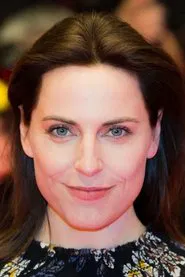
The Algorithm’s Gilded CageThere is a specific melancholy in watching a filmmaker of Sherry Hormann’s caliber vanish into the glossy abyss of the "streaming erotic thriller." Hormann, whose 2009 biopic *Desert Flower* displayed a muscular empathy for the female experience, and whose *A Regular Woman* (2019) was a harrowing indictment of patriarchal violence, has turned her lens toward *Fall for Me*. This 2025 release, ostensibly a romance-thriller set against the azure backdrop of Mallorca, feels less like a feature film and more like a high-budget mood board for a vacation rental that never actually accepts your booking.
To dismiss the film merely because it adheres to genre tropes would be lazy. The "erotic thriller" has a noble lineage of exploring the dangerous intersection of capital and desire. However, *Fall for Me*—which follows Lilli (Svenja Jung), a pragmatic bank auditor who flies to Spain to inspect her sister Valeria’s (Tijan Marei) dubious real estate engagement—mistakes asset management for human drama.

Visually, Hormann and her cinematographer capture Mallorca with a relentless, sun-drenched sterility. The camera glides over limestone cliffs and infinity pools with the predatory grace of a drone surveying a development site. This is not the sweaty, claustrophobic heat of *Body Heat* or the shadowy menace of *Basic Instinct*; it is the flat, bright lighting of an Instagram influencer’s feed. The aesthetic choice is telling: in a story centered on a real estate scam, the film itself feels like a piece of property staging—immaculate, expensive, and entirely devoid of life.
The narrative architecture rests on the friction between Lilli, the skeptical woman of numbers, and the seductive, chaotic elements surrounding her sister’s fiancé, Manu, and the mysterious bartender, Tom (Theo Trebs). Theoretically, this setup offers a fertile ground to explore how intelligent women are socially engineered into doubting their own intuition. Yet, the script refuses to let Lilli be truly smart. Her auditing skills are merely a plot device, discarded the moment the "thrill" of the genre requires her to make catastrophic errors in judgment for the sake of a third-act twist.

The central romance with Tom is intended to be the film’s emotional anchor, the wild variable that disrupts the scam. However, the chemistry operates in a vacuum. Jung and Trebs are capable actors, but they are directed to perform "desire" rather than embody it. Their intimacy feels transactional, a series of choreographed movements that simulate passion without risking vulnerability. When the inevitable betrayal and subsequent realignment of loyalties occur, it lands with the emotional weight of a contract renegotiation. We do not fear for their hearts; we only wonder about the liquidity of their assets.
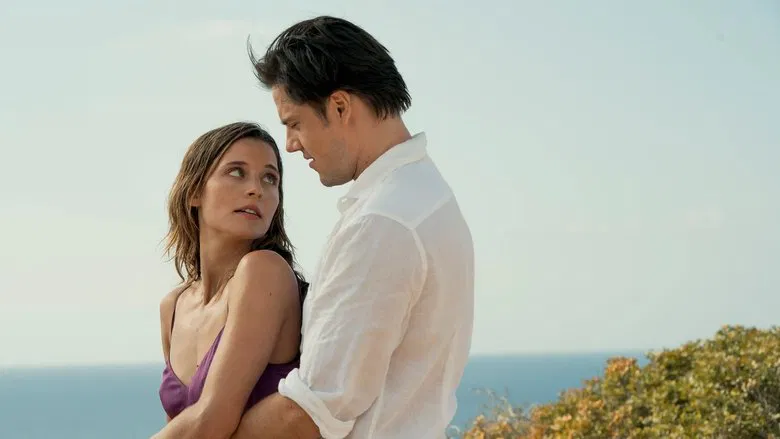
Ultimately, *Fall for Me* serves as a grim reflection of the current content ecosystem. It is a film designed to be played in the background, a passive experience that demands nothing from its audience but their subscription fee. For a director like Hormann, who has previously demanded we *look* at uncomfortable truths, this retreat into the comfortable lie of the algorithm is the true tragedy. The film succeeds as a product—shiny, consumable, and frictionless—but as a piece of cinema, it offers only a beautiful view from a house made of cards.