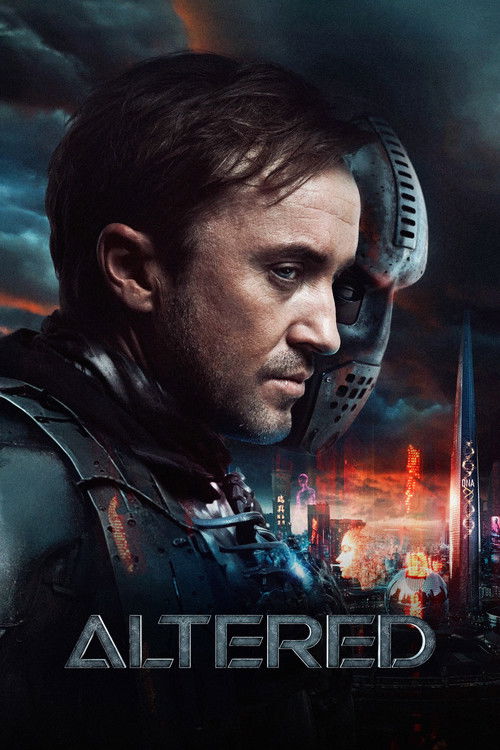
The Weight of SilenceIn the modern cinematic landscape, the dystopian thriller has become a crowded theater of noise. We are accustomed to the deafening roar of collapsing cities and the operatic wailing of Hans Zimmer-esque horns. Yet, in *Altered* (2025), director Timo Vuorensola—previously known for the campy lunar satire of *Iron Sky*—attempts a pivot toward something quieter, more intimate, and ultimately more tragic. This is not a film about the end of the world; it is a film about the quiet indignities of surviving it. While it struggles to fully shed its B-movie skin, *Altered* offers a surprisingly tender examination of physical limitation in a society obsessed with biological perfection.
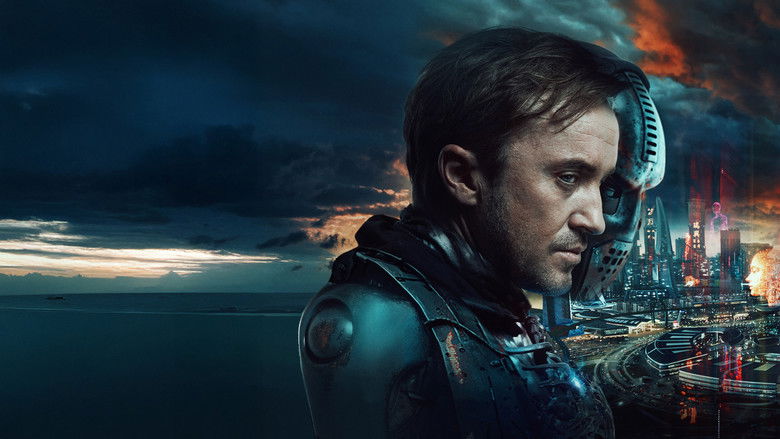
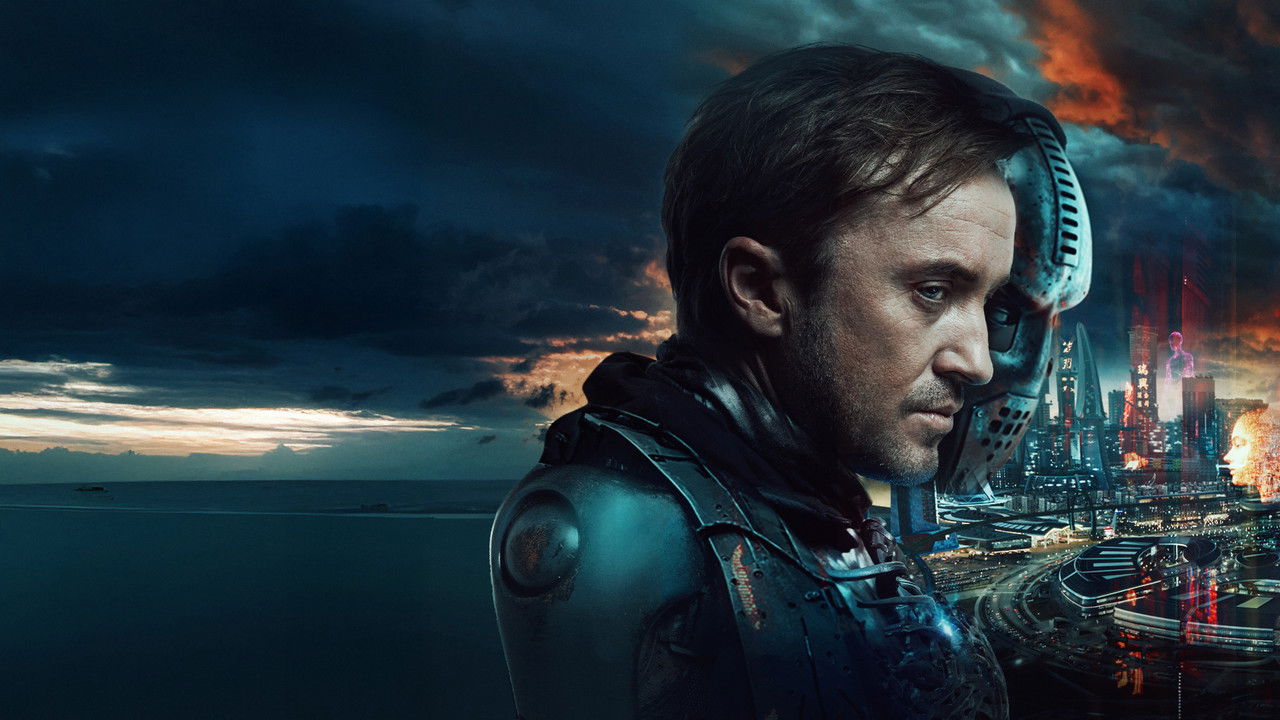
Vuorensola’s visual language here is a departure from his previous maximalism. He trades the absurdity of space Nazis for the brutalist, gray-washed concrete of a post-nuclear hierarchy. The film’s aesthetic is defined by a suffocating claustrophobia; the camera lingers on the cramped, oil-stained workshop where Leon (Tom Felton) operates, contrasting sharply with the sterile, lens-flare-heavy world of the "Genetics." The director uses this visual disparity not just to show class struggle, but to isolate the viewer. We are forced to inhabit the lower frame with Leon, looking up—literally and metaphorically—at a world that has engineered him out of existence.
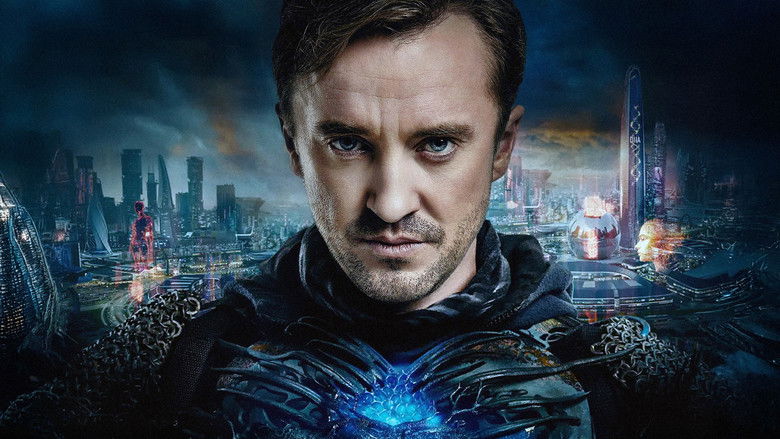
At the heart of *Altered* is a performance by Tom Felton that anchors the film’s wavering tone. Stripped of his wand and familiar sneer, Felton plays Leon with a bruised dignity. The script, often heavy with exposition, finds its soul in his non-verbal acting. Leon is a paraplegic in a world where physical "flaws" are a death sentence, and Felton portrays his condition not as a tragedy to be fixed, but as a reality to be navigated. His relationship with Chloe (Elizaveta Bugulova) avoids the saccharine tropes of the "protector" genre. Instead, they share a transactional desperation that evolves into a genuine, silent pact of survival. The scene where Leon first interfaces with the biomechanical spine is not played for triumphant superhero glory, but for excruciating vulnerability—a reminder that in this world, autonomy comes at a terrible physical price.
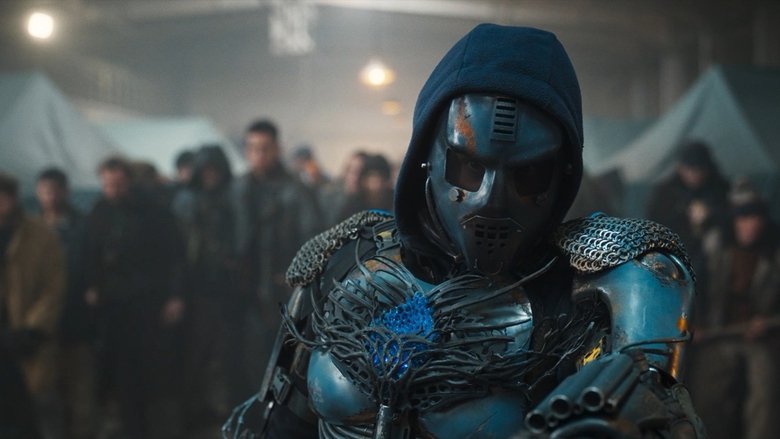
However, the film is not without its stumbling blocks. Vuorensola’s ambition occasionally outpaces his execution, particularly when the narrative demands large-scale action that feels at odds with the character-driven first act. The introduction of the singer Mira (Aggy K. Adams) steers the plot toward a more conventional conspiracy thriller, diluting the unique atmosphere built in the opening hour. Yet, even when the plot mechanics creak, the film’s central question remains potent: In a future where humanity can be edited like a manuscript, what happens to the rough drafts?
*Altered* is an imperfect beast, a scruffy underdog much like its protagonist. It may not rewrite the rules of the genre, but it succeeds in finding a human pulse amidst the cybernetic enhancements. It asks us to look at the cracks in the pavement rather than the flying cars, suggesting that the true measure of a society is not how high it can fly, but how it treats those who are tethered to the ground.