The Geometry of FrizzIn the vast, glossy machinery of modern romance, cinema often treats the teenage girl as a problem to be solved—a collection of insecurities waiting for the right makeover montage. But in *Love Untangled*, director Namkoong Sun offers a gentler, more tactile proposition: what if the "problem" is actually the point? Set against the sun-drenched, optimistic backdrop of 1998 Busan, this film is less about the mechanics of getting the guy and more about the geometry of growing up—specifically, the chaotic, unmanageable loops of a young girl’s hair as a metaphor for a life refusing to be straightened out.
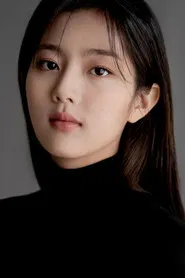
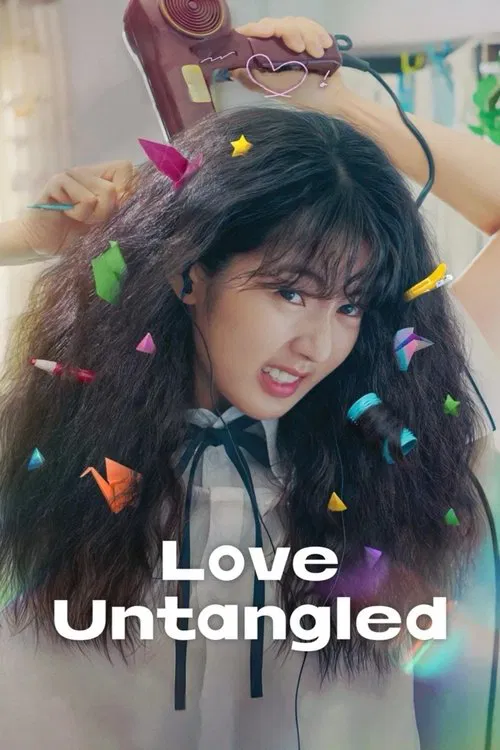
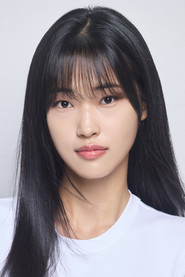
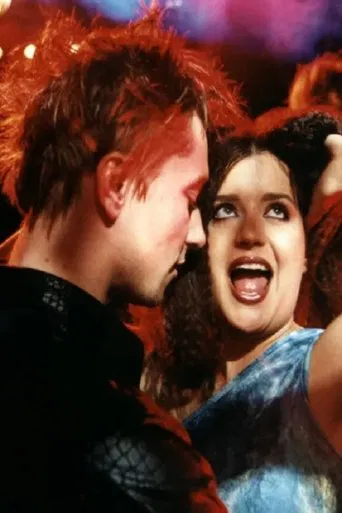
Namkoong, whose previous work *Ten Months* navigated the anxiety of unexpected pregnancy with indie grit, shifts gears here without losing her sharp eye for human fragility. The film follows Park Se-ri (played with kinetic, awkward brilliance by Shin Eun-soo), a high schooler convinced that her naturally curly hair is the only barrier between her and social nirvana. Her objective is simple: flatten the curls to win the heart of the school idol. However, the film’s visual language suggests a resistance to this flattening. The camera lingers on the textures of 1990s analog life—the tangle of cassette tapes, the coils of telephone cords, and the unruly frizz of Se-ri’s hair—creating a world that feels delightfully tactile in an era of digital smoothness.
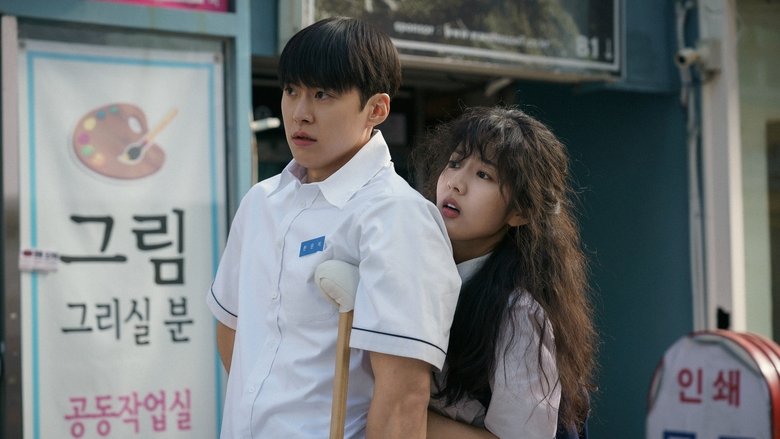
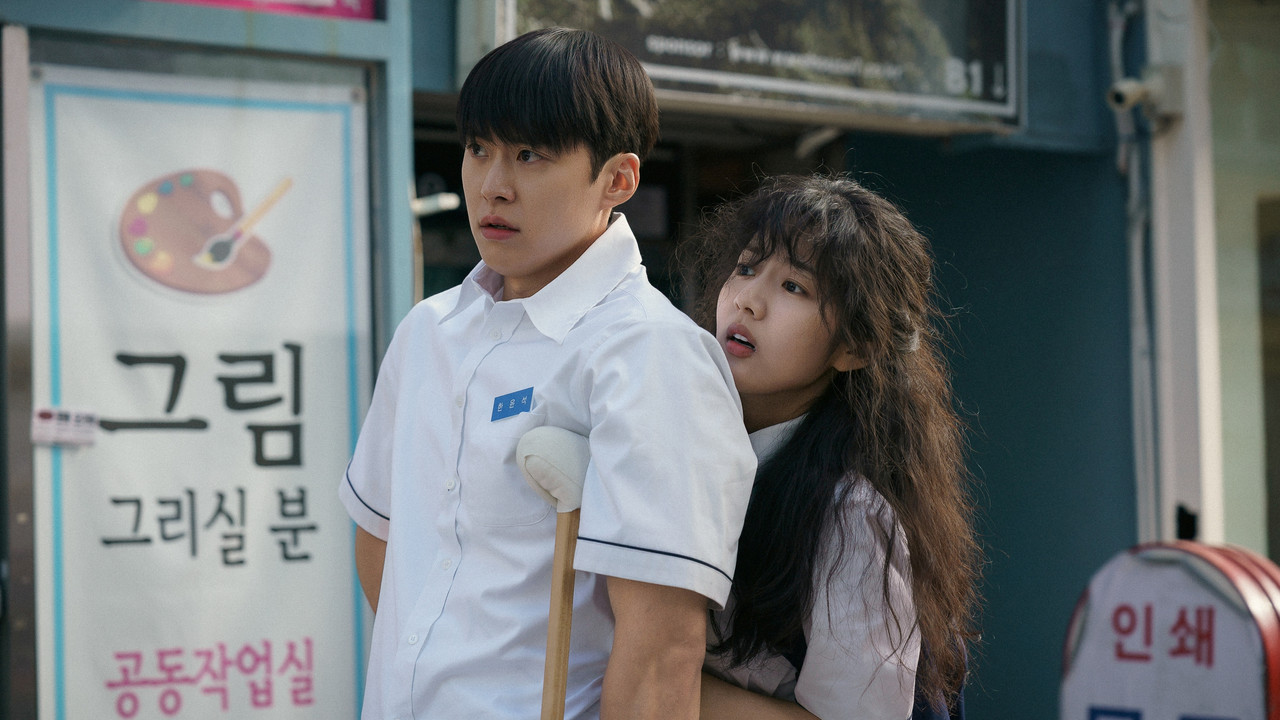
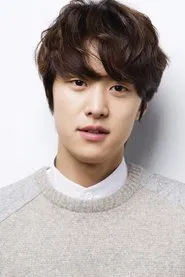
The arrival of Han Yun-seok (Gong Myoung), a transfer student from Seoul, disrupts Se-ri’s linear plan. While the narrative ostensibly follows the beats of a traditional rom-com, Namkoong uses the relationship to explore the "conversation" of the era. 1998 was a threshold year for South Korea—poised between the analog intimacy of the past and the hyper-connected future. Yun-seok, with his Seoul cynicism and hidden wounds, represents a different kind of reality principle. He doesn't offer Se-ri a solution to her hair; he offers her visibility. The chemistry between Shin and Gong is not built on grand gestures but on the quiet, shared spaces of adolescence—the empty classrooms and seaside walks where the pressure to perform dissolves.
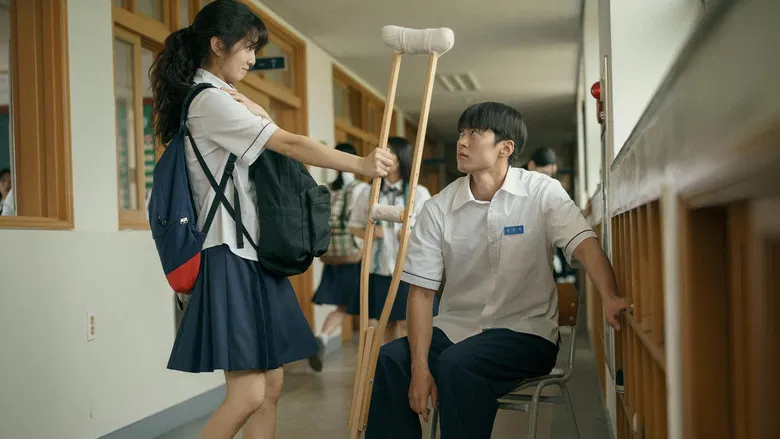
Crucially, the film avoids the trap of viewing Se-ri's desire for straight hair with condescension. To a teenager, the surface *is* the depth. When Se-ri looks in the mirror, she doesn't just see frizz; she sees a lack of control in a world that demands conformity. The "makeover" trope is subverted not because she realizes beauty is on the inside, but because she realizes that "straightening" herself out—both physically and metaphorically—erases the very quirks that make her existence vibrant. The climatic realization isn't a rejection of vanity, but an acceptance of complexity.

Ultimately, *Love Untangled* succeeds because it respects the gravity of a teenager's world. It understands that a bad hair day can feel like an existential crisis, and that the first time a boy really *sees* you can feel like a tectonic shift. It is a film that refuses to iron out its emotional wrinkles, presenting a portrait of youth that is as messy, tangled, and beautiful as the curls Se-ri tries so hard to hide. In a cinematic landscape often obsessed with perfection, Namkoong Sun reminds us that the knots are where the story lives.