The Geometry of Grief and GreedTrue crime, as a genre, often suffers from a kind of narrative gluttony. It feasts on the lurid details of death while starving the audience of the human context that makes tragedy resonate. However, in *The Carman Family Deaths*, director Yon Motskin (known for *Encounters*) attempts something far more delicate. He moves beyond the procedural mechanics of a homicide investigation to map the emotional and psychological topography of a family fracturing under the weight of its own secrets. This is not merely a "whodunit"; it is a study of how silence, wealth, and neurodivergence can warp the bonds between parent and child until they snap.
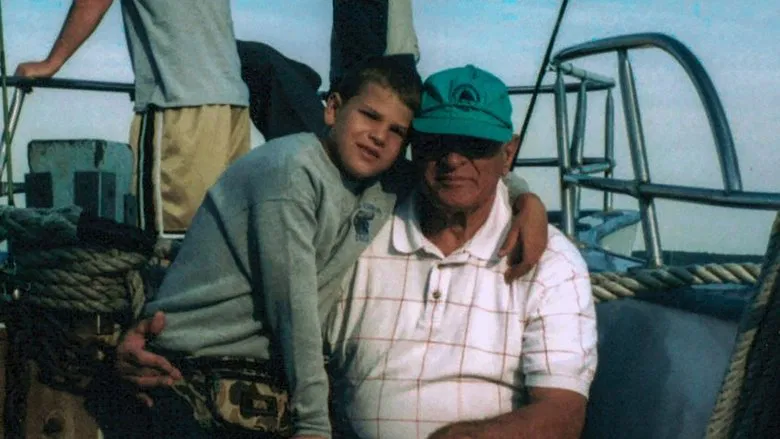
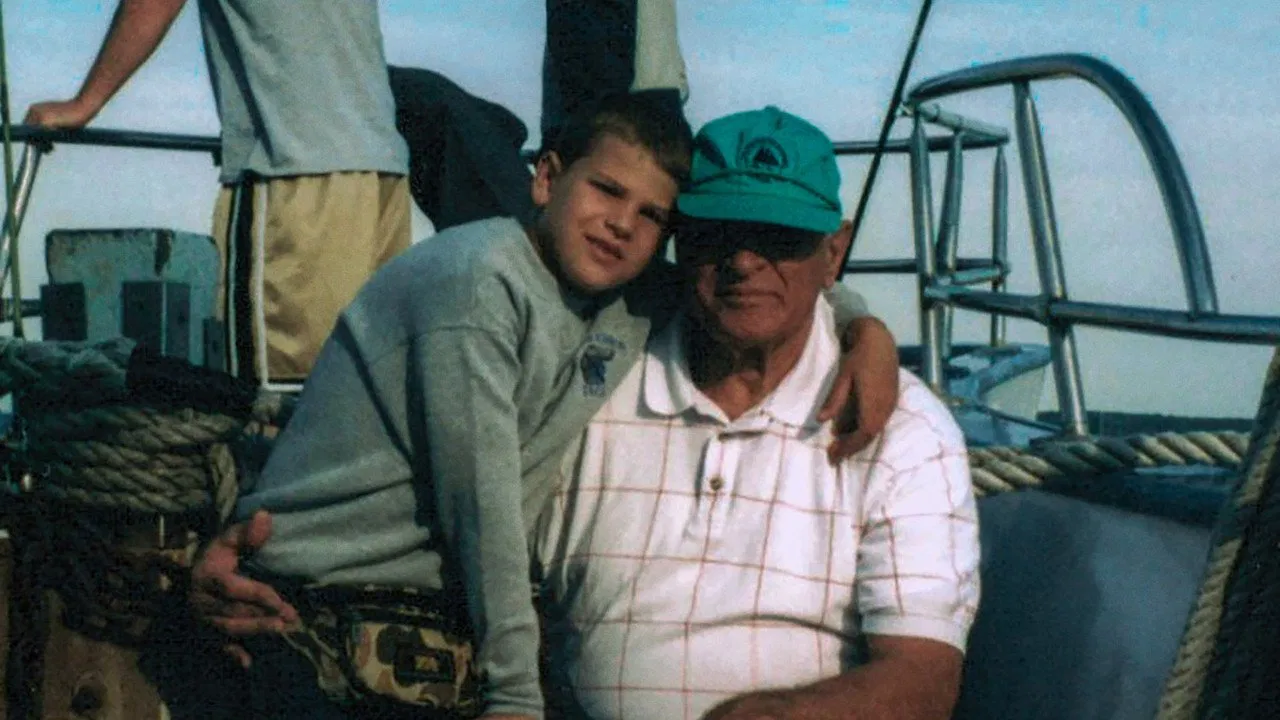
Visually, Motskin rejects the gritty, handheld aesthetic common to the genre in favor of a polished, almost sterile composure. The interviews are lit with a clinical precision that isolates the subjects in their own private worlds of suspicion and loss. This visual cleanliness creates a jarring counterpoint to the messy, murky reality of the Atlantic Ocean where the central mystery unfolds. The director uses the vastness of the sea not just as a setting, but as a suffocating character—a blank canvas upon which the public projected their own theories about Nathan Carman, the young man found floating in a life raft eight days after his boat sank, leaving his mother, Linda, to the depths.
The film’s heart lies in its refusal to pathologize Nathan Carman’s autism as a simple marker of guilt. In lesser hands, Nathan’s flat affect and "inappropriate" emotional responses during police interrogations would be presented as smoking guns. Instead, Motskin frames these moments as a tragedy of translation. We watch investigators, entrenched in neurotypical expectations of grief, collide with a mind that processes trauma through a different logic. The tension isn't just about whether Nathan killed his mother or his grandfather for inheritance money; it is about the terrifying gap between how we expect innocence to look and how it actually behaves. The archival footage of his rescue—where he appears physically well but emotionally vacant—serves as a Rorschach test for the viewer, challenging our own biases about victimhood.

Ultimately, *The Carman Family Deaths* is a story without a satisfying exhale. Because Nathan died by suicide in 2023 awaiting trial, the legal catharsis we are conditioned to expect never arrives. The film forces us to sit with the discomfort of ambiguity. It suggests that the truth did not drown with the "Chicken Pox" boat, nor did it die in a prison cell; rather, it was eroded over decades by a family dynamic defined by transactional relationships and emotional neglect. Motskin has crafted a haunting, inconclusive requiem that lingers not because of the crimes it recounts, but because of the profound isolation it reveals. It is a chilling reminder that you can be lost at sea long before you ever leave the shore.