✦ AI-generated review
The Architecture of Adolescence
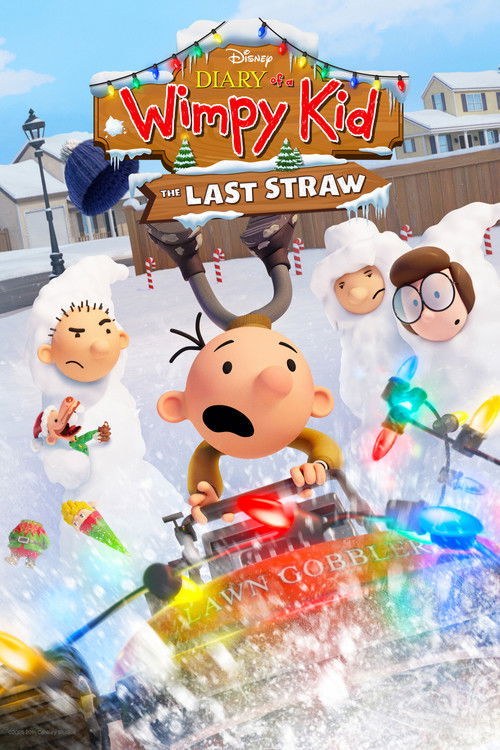
There is a particular tragedy in the condition of the middle schooler—a state of being suspended between the soft comforts of childhood and the hard, inexplicable expectations of impending adulthood. In *Diary of a Wimpy Kid: The Last Straw* (2025), director Matt Danner offers us another entry in the animated canon of Jeff Kinney’s universe, yet beneath the familiar veneer of stick-figure aesthetics and slapstick pratfalls lies a surprisingly potent meditation on the friction between paternal ambition and sonly ineptitude. It is a film that asks, with disarming casualness: at what point does "toughening up" simply mean losing oneself?
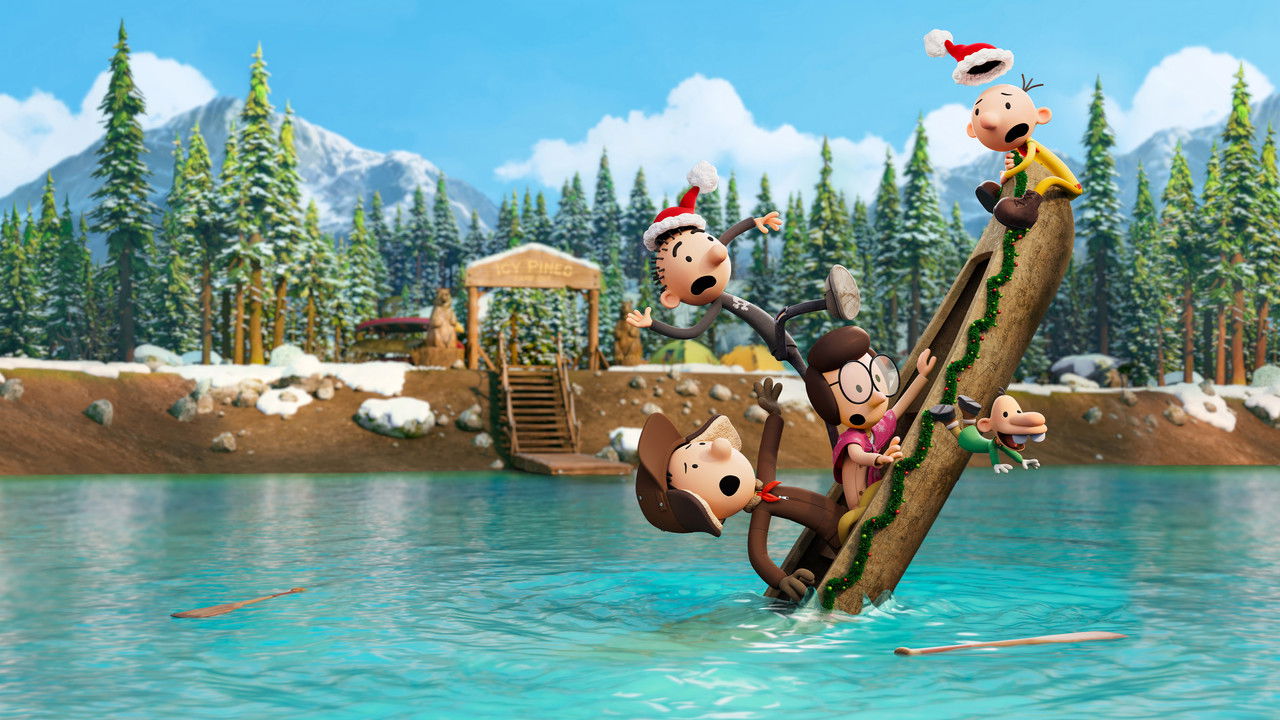
This is the fourth installment in Disney+’s animated reboot, a project that has curiously chosen to translate Kinney’s iconic, minimalist line art into three-dimensional CGI. The result is a visual language that feels simultaneously expansive and claustrophobic. By inflating Greg Heffley’s world into 3D, Danner creates a plasticine reality where the characters feel like action figures trapped in a diorama of suburbia. It is an aesthetic choice that works doubly hard here. When Greg is forced into the "Wood Chippers" wilderness troop or threatened with the looming gray walls of Spag Union military school, the art style reinforces his vulnerability. He is soft, round, and pliable in a world that his father, Frank, desperately wishes were made of harder angles.
The film’s narrative engine is the "threat of exile"—specifically, Frank Heffley’s ultimatum to ship Greg off to military school if he doesn’t shed his wimpy demeanor. While the franchise often mines Greg’s narcissism for laughs, *The Last Straw* pivots to examine the father. Frank (voiced with manic energy by Chris Diamantopoulos) is not merely a disciplinarian; he is a man terrified that his progeny is a reflection of his own failures. The comedy of the "snack thief" subplot or the disastrous camping trip is punctuated by a genuine, uncomfortable tension. We aren't just watching a kid try to avoid exercise; we are watching a father try to rewrite his son's personality in real-time.
Crucially, the film succeeds in its quieter moments of humiliation rather than its loud set pieces. The "Spag Union" threat looms over the narrative like a storm cloud, a stark symbol of the militarization of boyhood that Greg instinctively rejects. Danner directs these scenes with a surprisingly gentle touch, allowing the audience to feel the weight of Greg’s anxiety. The wilderness scenes, particularly the rain-soaked fiasco where the Heffley men are reduced to huddling in a hotel, serve as a deconstruction of the "rugged masculinity" myth. The great outdoors does not make men out of them; it only reveals how ill-equipped they are to communicate without the buffer of civilization.
Ultimately, *The Last Straw* suffers from the same ailment as its protagonist: it is occasionally too eager to please, relying on the repetitive physical comedy that has become the franchise's safety blanket. Yet, it possesses a beating heart that was often missing in the live-action adaptations. By sticking closer to the text’s specific anxieties about growing up "wrong," Danner has crafted a film that feels less like a product line extension and more like a sincere apology to every child who ever disappointed their father by simply being themselves. It suggests that perhaps the bravest thing a "wimp" can do is refuse to be anything else.