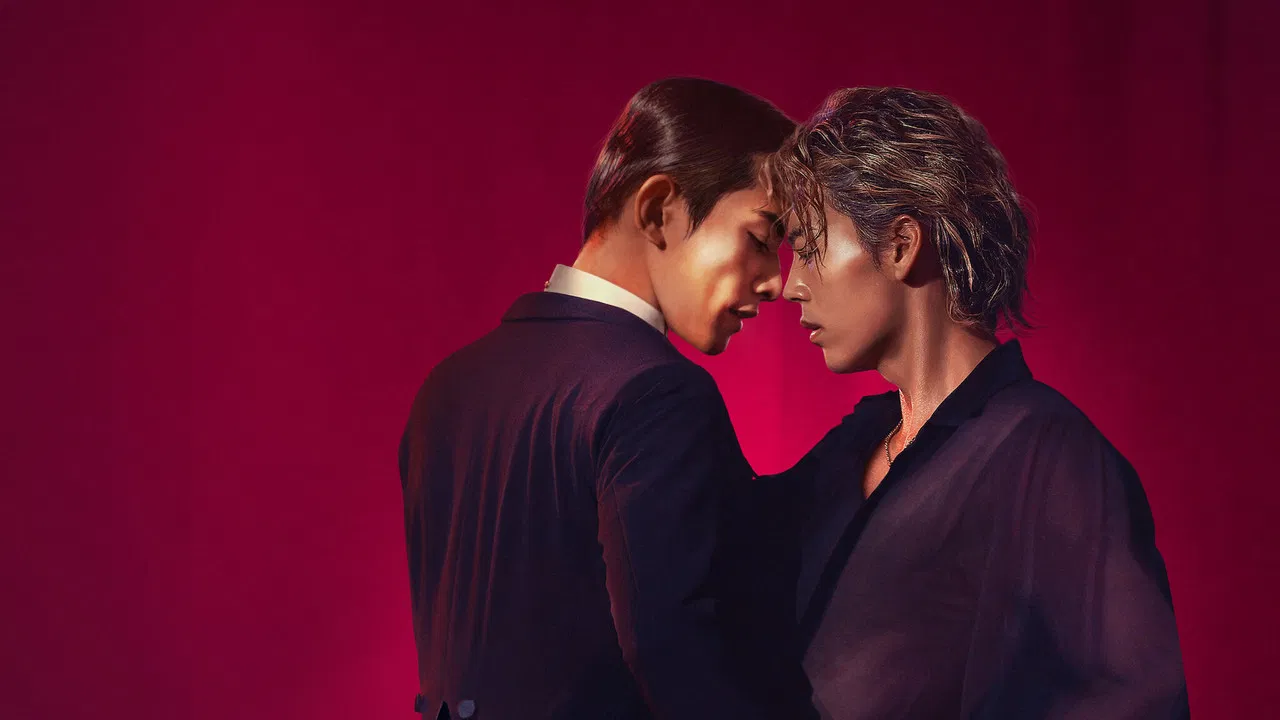
The Architecture of YearningIn the codified world of competitive ballroom dancing, silence is a liability. Every gesture must scream for attention; every extension must slice the air with declarative intent. Yet in *10DANCE*, director Keishi Otomo—best known for the kinetic violence of the *Rurouni Kenshin* saga—trades the sword for the silhouette, crafting a film that finds its loudest moments in the quiet spaces between beats. Adapted from Satoh Inoue’s celebrated manga, the film is less a sports drama about winning trophies than a study of how two men, entrapped by the rigidity of their respective disciplines, learn to dismantle the cages they built for themselves.
Otomo’s visual language here is a fascinating departure from his action roots, yet it retains his obsession with physical precision. The camera glides with the same predatory elegance as the dancers, treating the rehearsal studio not as a gym, but as a pressure cooker.
The premise is deceptively simple: two champions sharing the name Shinya—Suzuki (Ryoma Takeuchi), the chaotic id of Latin dance, and Sugiki (Keita Machida), the icy superego of Standard Ballroom—agree to a cross-training pact for the grueling "10 Dance" competition. What follows is a visual dialogue of opposing forces. Takeuchi plays Suzuki with a visceral, sweat-drenched swagger, his movements emanating from the hips and heart. Machida’s Sugiki is his perfect foil, a creature of vertical lines and suffocating control, whose "frame" is both his greatest weapon and his emotional prison.
When these two bodies collide, the film transcends the typical "enemies-to-lovers" trope. Otomo frames their training sessions as interrogations. As they force each other into unfamiliar postures—Sugiki demanding Suzuki stiffen his spine, Suzuki demanding Sugiki loosen his hips—they are actually dismantling each other’s defenses. The choreography becomes character development; a shift in weight is a shift in perspective.
However, the film’s central tension lies not in the competition, but in the "conversation" surrounding its genre. As a mainstream adaptation of a Boys’ Love (BL) property, *10DANCE* occupies a precarious space. It avoids the fetishistic tropes that sometimes plague the genre, opting instead for a simmering, almost agonizing restraint. Some critics may find this "chaste," longing for a more explicit consummation of the lead pair’s chemistry. Yet, this restraint serves the narrative. The story is about two men terrified of losing control—one through wildness, the other through perfectionism. Their intimacy is terrifying precisely *because* it requires them to break frame. The widely discussed "train scene" serves as the emotional climax, a moment where the rhythmic structure of their lives finally collapses into raw, unchoreographed vulnerability.

Ultimately, *10DANCE* is a film about the terrifying vulnerability of being led. In ballroom, the "lead" and "follow" dynamic is often reduced to gendered stereotypes of power and submission. Otomo and his actors complicate this beautifully. By the time the credits roll, we realize that true partnership isn't about who leads, but about the mutual agreement to step into the void together. It is a polished, aching piece of cinema that suggests the most difficult dance isn't the quickstep or the rumba, but the act of letting someone else hold your weight.