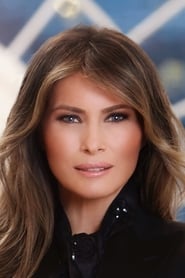
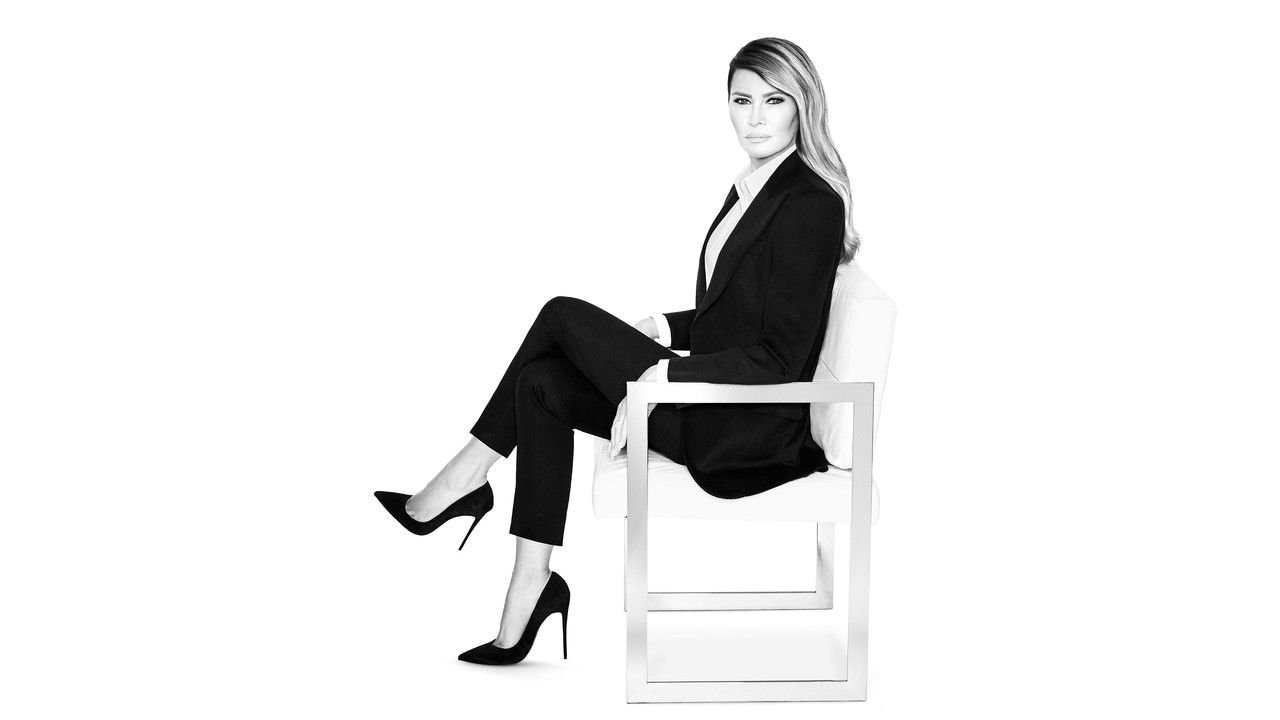
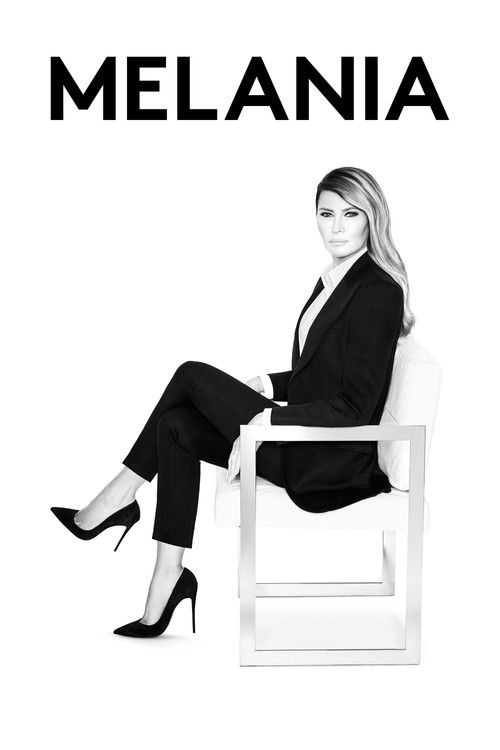
The Architecture of AvoidanceThere is a precise moment in *Melania* where the camera, operated under the stewardship of director Brett Ratner, lingers on a pair of stiletto boots. They are expensive, immaculate, and sharp enough to puncture the hull of a ship. The shot holds for a second too long, suggesting a profound revelation about the woman wearing them, but instead, it offers only surface. This image—glossy, expensive, and impenetrable—is the perfect metonym for a documentary that promises a look behind the curtain but ultimately reveals that the curtain *is* the show.
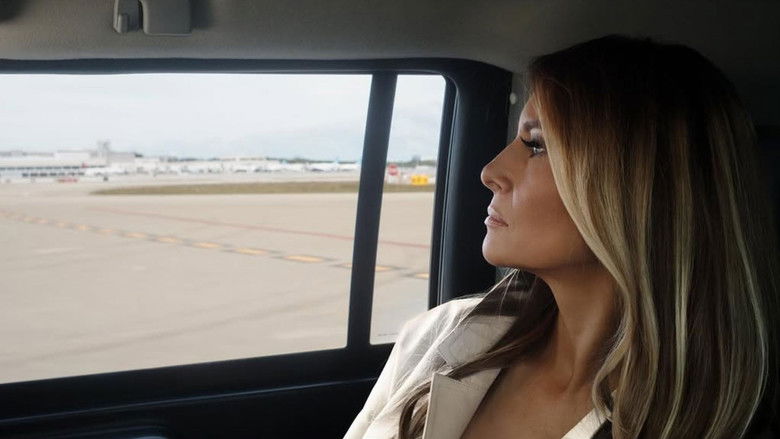
The film, which chronicles the 20 days leading up to the 2025 Inauguration, lands with the heavy thud of a cultural artifact nobody quite knows how to handle. Its existence is a fascinating collision of two desperate rehabilitations: that of the titular First Lady, seeking to define her legacy on her own terms, and that of Ratner himself, a filmmaker emerging from a decade of exile following the #MeToo movement. The result is a documentary that feels less like journalism and more like a high-budget architectural digest of a political transition. Ratner, known for the kinetic energy of *Rush Hour*, applies a strange, sterilized lacquer to the White House. The lighting is too perfect; the "fly-on-the-wall" conversations in the East Wing feel rehearsed, as if the subjects are performing the role of human beings for an audience of Martians.
The aesthetic dissonance is most palpable in the transition scenes. We watch Mrs. Trump navigate the logistical chaos of moving back into the Executive Mansion. The camera follows her through the cavernous, empty halls of power, emphasizing her silhouette against the historic furniture. Ratner seems to want to cast her as a tragic heroine in a gilded cage, a sort of silent film star trapped in a 24-hour news cycle. However, the film’s visual language betrays its subject. By shooting Melania with the same commercial sheen he would apply to an action hero, Ratner strips the moments of their potential intimacy. When she speaks to staff about inauguration flower arrangements, the stakes are framed as operatic, creating an unintentional comedy of manners amidst the very real political turbulence implied to be happening just outside the frame.
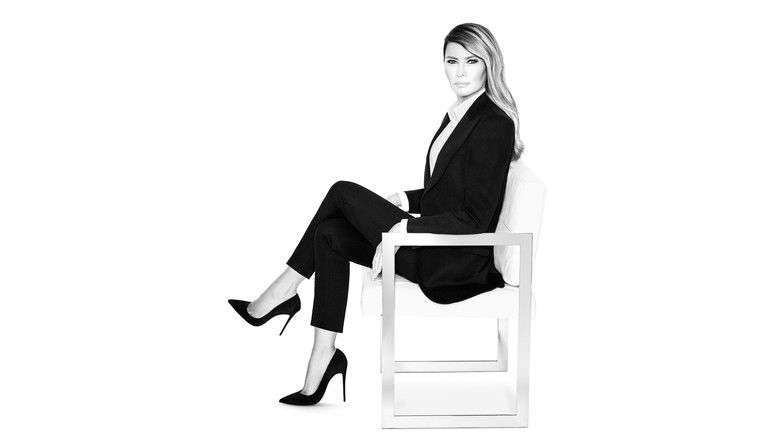
What is arguably most striking is the film's aggressive emptiness. For a documentary granted "unprecedented access," we learn remarkably little about Melania Trump’s interiority. She remains an enigma by design, offering platitudes about duty and family that slide off the screen without leaving a mark. The tension isn't in what is said, but in the visible strain of the production itself—a chaotic, multi-crew endeavor that, according to industry whispers, was as disorganized as the transition it depicts. We see a woman who has mastered the art of being looked at while ensuring she is never truly *seen*. The "conversations" with family members feel transactional, emotional receipts kept for posterity rather than genuine exchanges.
Ultimately, *Melania* is a mirror reflecting the void of modern celebrity politics. It is a $40 million home movie that attempts to mythologize a figure who thrives on opacity. As a piece of cinema, it is a fascinating failure—a slick, hollow monument to the idea that if you light something brightly enough, people will forget to ask what lies in the shadows. It does not humanize the First Lady so much as it solidifies her status as an icon of detachment, walking through history in those sharp, impenetrable boots, leaving no footprints behind.