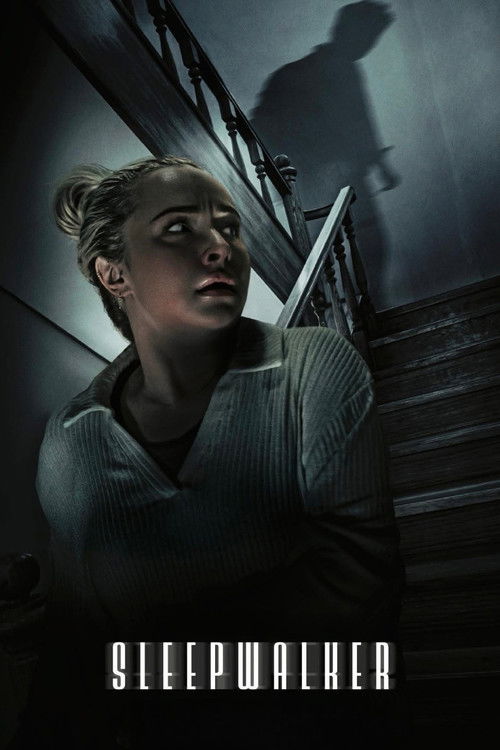
The Architecture of UnrestGrief is rarely a linear process; it is a disorienting fugue state where the geography of the present is constantly overwritten by the topography of the past. In *Sleepwalker* (2026), director Brandon Auman attempts to map this treacherous terrain, positioning the act of somnambulism not merely as a medical condition, but as a violent metaphor for a life lived in the shadow of trauma. While the film occasionally stumbles under the weight of its own genre hybridity, it remains a fascinating, visually aggressive inquiry into how the mind metabolizes pain.
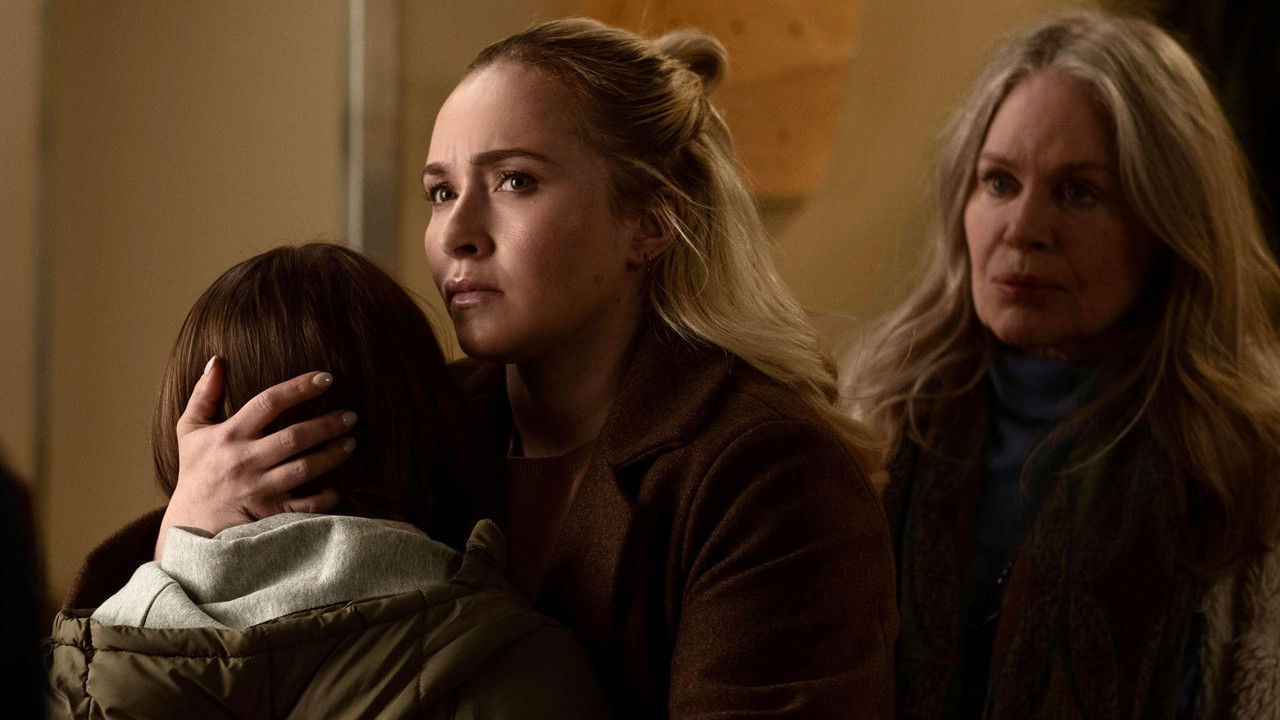
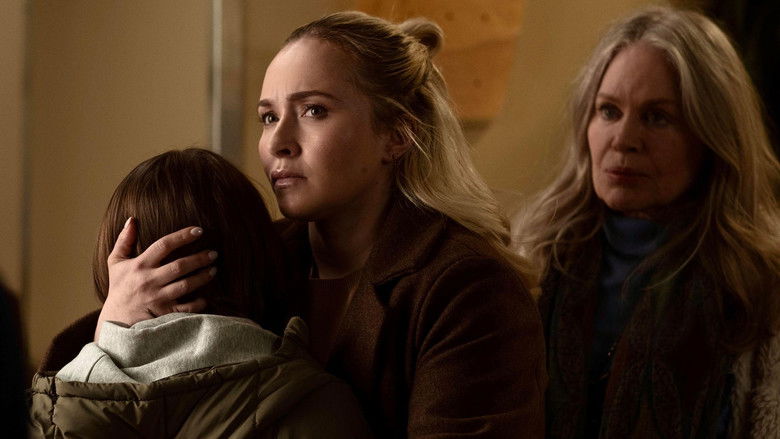
Sarah Pangborn (Hayden Panettiere) is a woman whose waking life has been hollowed out by catastrophe. Following the death of her daughter and the subsequent coma of her abusive husband, Sarah is left to wander—quite literally—through the wreckage of her domestic existence. Panettiere, returning to the genre that has often served as her proving ground, delivers a performance of frayed nerves and brittle exhaustion. She plays Sarah not as a victim waiting to be saved, but as a survivor losing her grip on the very parameters of reality.
Auman’s visual language is the film’s most potent weapon. Working with cinematographer Marcus Friedlander, he constructs a home that feels less like a sanctuary and more like a suffocating organism. The camera often behaves as an intruder, lurking in doorways or creeping up behind Sarah, mimicking the invasive nature of her own memories. The film’s recurring motif—Sarah counting her fingers to distinguish dream from reality—is a clever inversion of the lucid dreaming "reality check." Here, it becomes a source of body horror; hands distort, fingers multiply, and the safety of the physical body is revealed to be a lie. These moments of surrealism are not just scares; they are manifestations of a psyche that can no longer trust its own sensory input.
However, *Sleepwalker* is most compelling when it leans into its psychological subtext rather than its supernatural obligations. The character of the husband, Michael (Justin Chatwin), looms large despite his comatose state. Auman uses him to explore a terrifying truth about domestic abuse: the abuser does not need to be physically present to exert control. He is a phantom limb, a silent pressure in the room that dictates Sarah’s movements even as he lies motionless in a hospital bed. When the film externalizes this fear into a literal "boogeyman" figure, it loses some of its terrifying intimacy, trading the profound horror of emotional entrapment for the cheaper currency of jump scares.
Ultimately, *Sleepwalker* is a film of jagged edges. It struggles to reconcile its thoughtful meditation on mourning with the demands of a midnight thriller, resulting in a third act that feels somewhat disconnected from the elegant dread of its opening. Yet, it succeeds in articulating a specific, suffocating kind of sadness. It suggests that for the grieving, the world is never quite solid, and waking up is not an escape from the nightmare, but simply a different way of enduring it. Brandon Auman has crafted an imperfect but visually arresting debut that dares to ask what happens when we cannot trust the one place where we should be safest: our own minds.