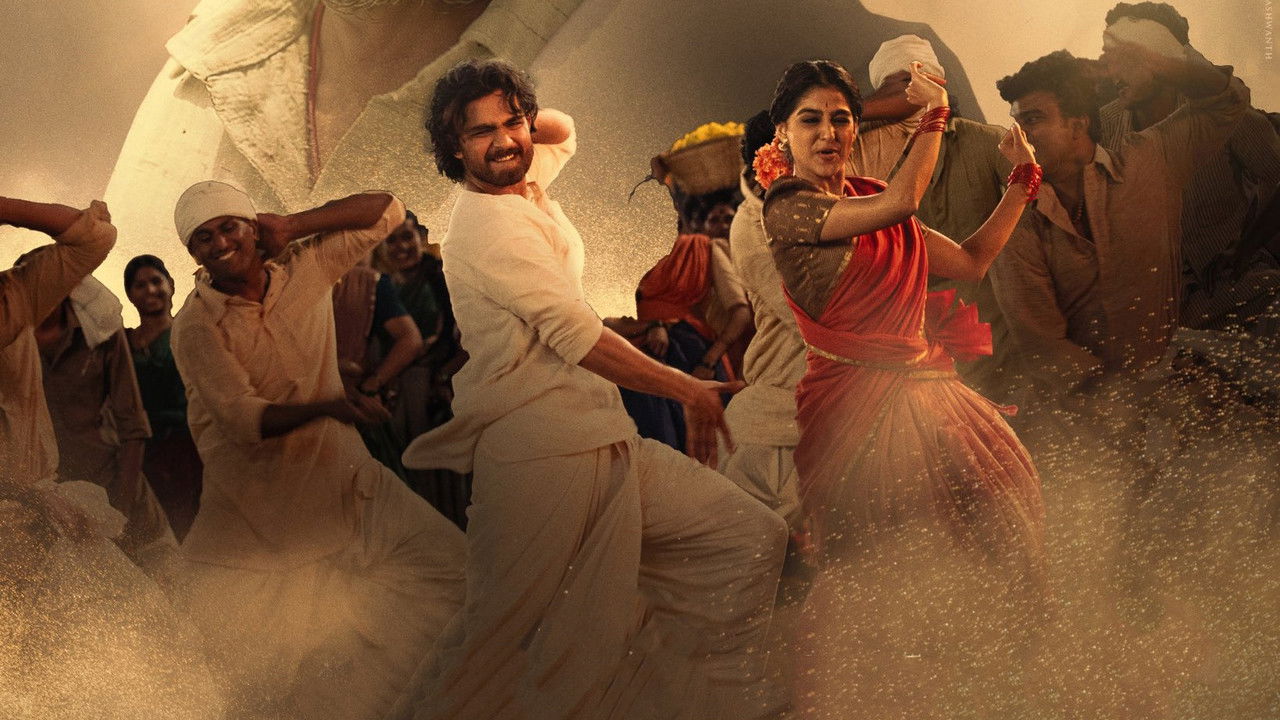
The Weight of AmbitionIn the vast, dusty archives of cinema, the "sports drama" usually adheres to a strict liturgy: the underdog, the training montage, the final game. But occasionally, a filmmaker attempts to graft this genre onto something heavier, something bleeding with historical trauma. Pradeep Advaitham’s *Champion* (2025) is one such ambitious hybrid. It seeks to marry the kinetic joy of football with the brutal reality of the 1948 peasant armed struggle in Hyderabad State. It is a film that wants to be both *Lagaan* and *Rang De Basanti*, yet it often finds itself suspended in the vacuum between them—visually arresting, earnestly performed, but narratively breathless under the weight of its own history.
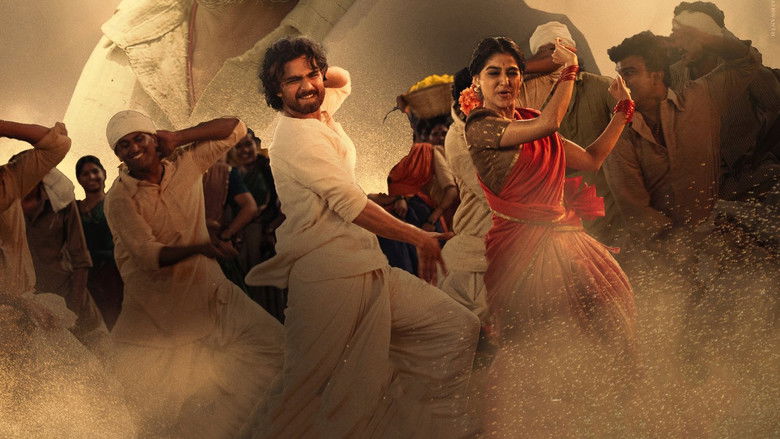
Advaitham, making his directorial debut, proves immediately that he is a stylist of significant promise. Collaborating with cinematographer R. Madhie, he paints the screen in the sepia-soaked hues of memory. The film’s opening act in Secunderabad is a lush recreation of an Anglo-Indian enclave—a world of jazz, bakeries, and colonial hangovers that feels distinct from the rural grit that follows. The camera loves Roshan Meka (playing Michael Williams), capturing his athletic grace on the football pitch with a fluidity that suggests flight. When the setting shifts to the beleaguered village of Bhairanpally, the visual language hardens; the soft light of the city is replaced by the harsh sun of the Telangana hinterlands, emphasizing the isolation of a people forgotten by a newly independent India but still crushed by the Nizam’s Razakars.
However, a film cannot live by aesthetics alone, and it is in the narrative architecture that *Champion* begins to wobble. The central conceit is fascinating: Michael is an apolitical creature, an Anglo-Indian footballer whose only religion is the Premier League, desperate to emigrate to London to play for Manchester. He is not a revolutionary; he is an escapist. His journey to Bhairanpally is accidental—a smuggling run gone wrong—rather than ideological.
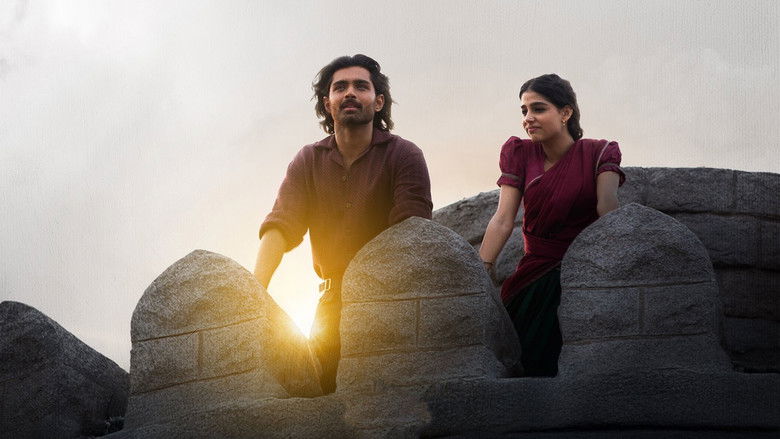
This setup promises a compelling character study of reluctance—the "han solo" archetype learning to care for a cause greater than himself. Yet, the script struggles to bridge the gap between Michael’s individual ambition and the collective trauma of the village. The transition from a man worried about his visa to a man leading a peasant revolt feels abrupt, lacking the connective tissue of gradual radicalization. We see the atrocities committed by the Razakars (led by a menacing, if one-note, Santosh Pratap), but we are told to feel Michael’s transformation rather than truly witnessing it. The film relies heavily on the "white savior" trope, even if the savior is technically a local Anglo-Indian, which inadvertently sidelines the agency of the villagers who, historically, led their own fierce resistance.
Despite these structural fractures, the film finds its soul in its quieter moments. The romance with the village girl (Anaswara Rajan, making a graceful Telugu debut) avoids the worst excesses of melodrama, grounding Michael in the humanity he is trying to flee. There is a specific scene involving a football match played not for glory, but as a bizarre, high-stakes negotiation for survival, that perfectly encapsulates the film's potential. Here, the absurdity of the game highlights the absurdity of the violence surrounding it—a rare moment where the genre mash-up clicks into a profound metaphor for resistance.
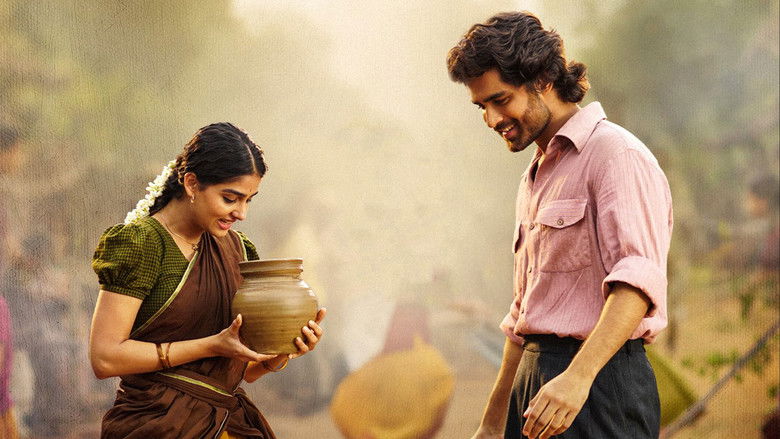
Ultimately, *Champion* is a noble misfire. It is a film that treats the history of the Telangana armed struggle with reverence but perhaps too much caution, afraid to let the grittiness of the revolt completely overtake the commercial demands of the "hero's journey." Roshan Meka proves he has the screen presence to carry a blockbuster, but the film around him hesitates. It leaves us with a lingering sense of "what if"—what if the football had been dropped entirely? Or what if the sport was used not just as a plot device, but as the only language a disconnected boy had to communicate with a dying village? *Champion* scores a few beautiful goals, but it never quite wins the match against its own sprawling ambition.