The Velvet HammerIn 2005, the landscape of the American police procedural was dominated by the clinical detachment of *CSI*. Justice was something found under a microscope; the truth was a biological certainty, cold and irrefutable. Into this sterile laboratory walked Deputy Chief Brenda Leigh Johnson, carrying a massive purse, a syrupy drawl, and a hidden stash of Ding Dongs. *The Closer*, created by James Duff, was a radical pivot back to the human element of crime. It posited that while science can tell you *how* a person died, only a deep, almost uncomfortable understanding of human frailty can explain *why*.

The series is visually anchored not by the sprawling freeways of Los Angeles, but by the claustrophobic intimacy of "The Box"—the interrogation room where the show’s true battles are waged. The direction often emphasizes this isolation, framing Kyra Sedgwick’s Johnson in tight close-ups that capture the micro-expressions of a predator feigning weakness. The show’s aesthetic is deceptively sunny, bathing the grim realities of murder in the bright, harsh light of Southern California, a contrast that mirrors Brenda herself: a bright, polite exterior hiding a ruthless interior.
At the heart of the narrative is Sedgwick’s tour-de-force performance, a character study of a woman who is a "closer" first and a human being second. Brenda Leigh Johnson is a bundle of contradictions that defies the typical "tough female cop" archetype. She does not adopt masculine posturing to command respect. Instead, she weaponizes femininity. She disarms suspects with chaotic faux-incompetence—fumbling for a pen, apologizing for the mess, widening her eyes in confusion—before delivering the fatal blow. Her catchphrase, "Thank you, thank you so much," is not a gratitude; it is a tombstone.

However, the show’s brilliance lies in its refusal to fully heroize her. As the seasons progress, the audience is forced to confront the moral cost of her efficacy. Brenda’s addiction to sugar serves as a potent metaphor for her gluttony for the confession; she consumes the darkest secrets of humanity and tries to suppress the bitter aftertaste with sweets. The series does not shy away from the collateral damage of her obsession, particularly in her strained relationships with her colleagues and her patient husband, Fritz. We see that her empathy is often a tool, something she can switch on to mirror a killer’s psychosis, only to discard it the moment the handcuffs click.
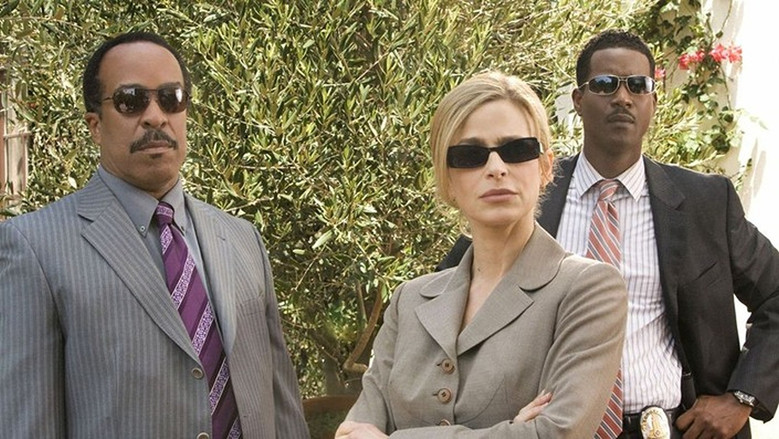
Ultimately, *The Closer* is a tragedy about the burden of absolute truth. In a world of grey areas and legal loopholes, Brenda Leigh Johnson demands a black-and-white accounting of sin, even if she has to paint the lines herself. It remains a seminal work not just for its revitalization of the genre, but for presenting a female lead who was allowed to be messy, brilliant, and occasionally unlikable. It reminds us that justice is not a science, but a deeply flawed human art.