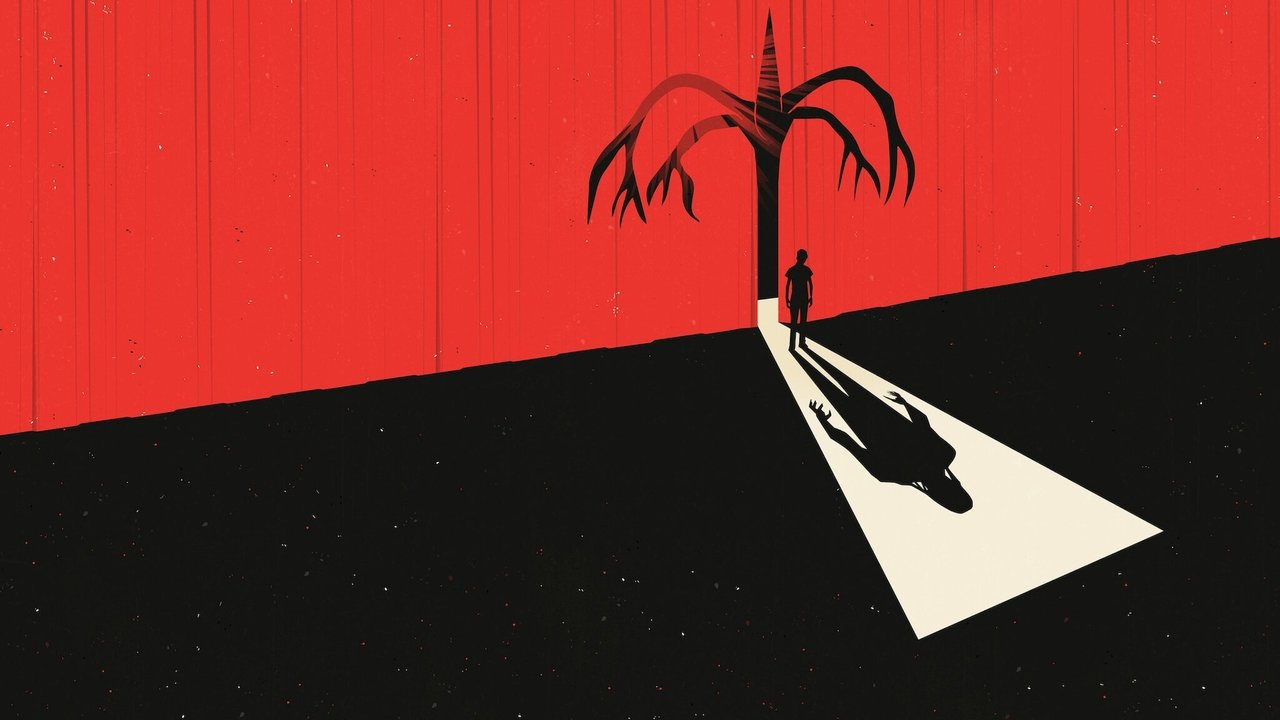
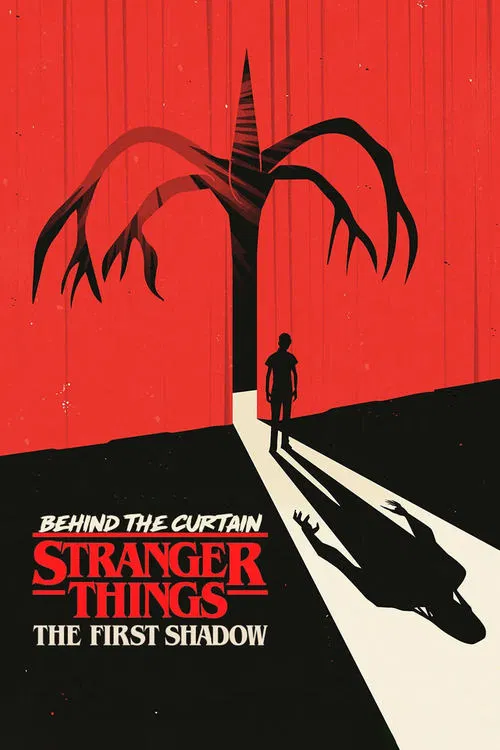
The Architecture of ShadowsThere is a moment in Jonathan Halperin’s *Behind the Curtain: Stranger Things: The First Shadow* where the sheer, crushing weight of "canon" becomes visible. We are not watching a monster destroy a shopping mall, but rather a writer, Kate Trefry, staring at a script that must somehow bridge the nostalgic warmth of a beloved 1980s pastiche with the rigid, terrifying architecture of a billion-dollar mythology. It is here that Halperin’s documentary transcends the typical "making-of" promotional puff piece to become a fascinating study of artistic anxiety in the age of the franchise.
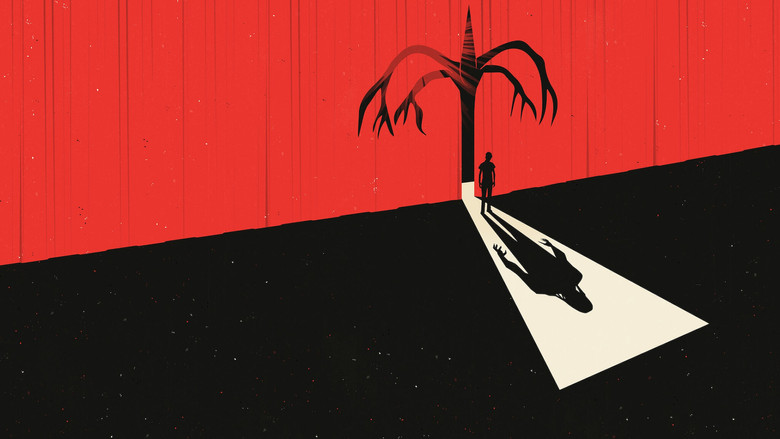
Released to coincide with the stage play’s migration from London’s West End to Broadway, the film ostensibly tracks the production's race against time. However, Halperin wisely shifts the focus from the mechanics of set building to the mechanics of storytelling. The documentary frames the stage play not merely as a spinoff, but as a high-wire act of translation. How do you take the cinematic language of the Duffer Brothers—reliant on CGI spectacles and 1980s needle drops—and transmute it into the tactile, analog magic of the theater?
The answer, as the film painstakingly reveals, lies in a collision of disciplines. We witness directors Stephen Daldry and Justin Martin orchestrating a chaos that feels less like a rehearsal and more like a military operation. The "conversation" surrounding this documentary often centers on the technical wizardry, and rightly so. Halperin captures the exhaustion of the special effects team as they attempt to make the supernatural feel organic within a proscenium arch. The result is a demystification that somehow enhances the magic; seeing the wires doesn't ruin the illusion, it merely highlights the human sweat required to sustain it.
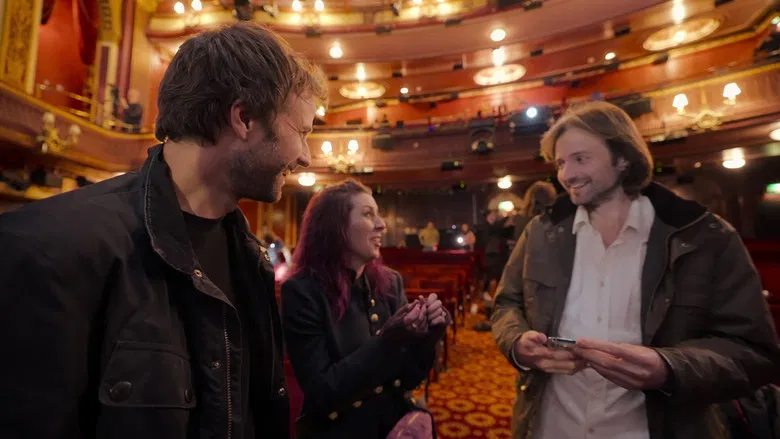
Yet, the documentary’s emotional anchor is the casting of Henry Creel. In watching the footage of young Louis McCartney, we see the terrifying vulnerability required to embody a monster-in-the-making. Halperin’s lens treats the actors not as assets in a brand strategy, but as young artists stepping into a machine much larger than themselves. The juxtaposition of their raw, theater-kid energy against the corporate behemoth of Netflix provides the film’s most compelling tension. It asks a quiet question: can human intimacy survive in a universe designed for mass consumption?
Ultimately, *Behind the Curtain* is a testament to the stubborn persistence of practical art in a digital world. It argues that while the *Stranger Things* universe may be built on pixels and streaming algorithms, its soul remains surprisingly analog—found in the frantic scribbling of a writer’s pen and the collective breath of a live audience. It is a worthy companion to the stage show, proving that the most interesting monsters are the ones we build with our own hands.