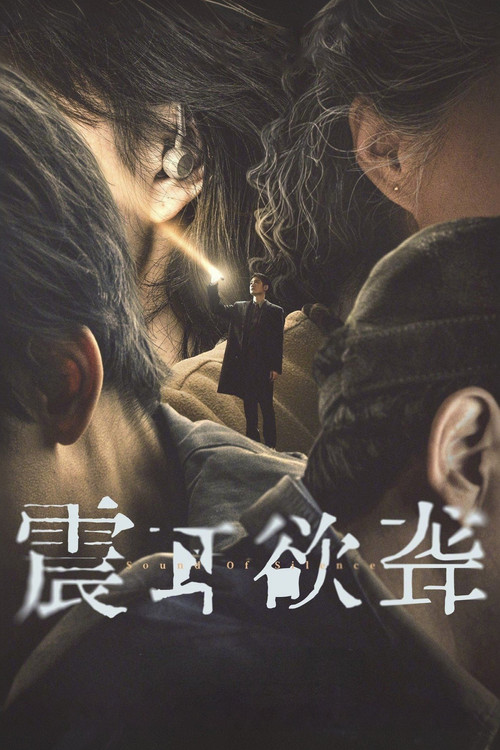
The Deafening Roar of ConscienceIn the lexicon of legal dramas, power is almost exclusively measured in decibels. We are accustomed to the thunderous objection, the blistering cross-examination, and the gavel’s final, percussive strike. Yet, in director Wan Li’s *Sound of Silence* (*Zhen Er Yu Long*), the most violent collisions occur in absolute quiet. Emerging as a dark horse in the 2025 cinematic landscape, this film strips away the genre's usual verbal acrobatics to reveal a far more unsettling dissonance: the gap between those who speak the law and those who cannot hear it. It is a film that demands we listen not with our ears, but with our empathy.

Wan Li’s direction is an exercise in sensory manipulation, brilliantly using sound design—and the lack thereof—to delineate the two worlds inhabited by the protagonist, Li Qi (Tan Jianci). The film’s "Lens" is bifurcated. On one side, we have the slick, saturated world of corporate fraud: high-contrast lighting, the clinking of expensive crystal, and a ceaseless, suffocating hum of idle chatter. On the other, we have the world of the deaf community: shot with a grittier, handheld intimacy, often plunged into a subjective silence that forces the audience to lean in, to read eyes and hands rather than subtitles. This auditory isolation is not treated as a gimmick but as a narrative wall that Li Qi, a CODA (Child of Deaf Adults), can scale but chooses to reinforce.

The "Heart" of the film beats within the ribcage of Tan Jianci’s morally ambiguous performance. Li Qi is not the white knight of standard legal procedurals; he is a "gray lawyer," a man who has monetized his fluency in sign language to exploit the very community that raised him. Tan plays Li Qi with a coiled, defensive energy, his hands moving with the fluidity of a native signer, yet his eyes betraying a deep-seated desire to escape his origins. The film’s emotional fulcrum rests on his transformation from predator to protector. This shift isn't triggered by a sudden melodramatic epiphany, but by a slow, agonizing accumulation of guilt—catalyzed by the tragic suicide of a deaf neighbor who fell victim to the investment scam Li Qi helped facilitate. The chemistry between Li Qi and the fierce Zhang Xiaorui (Lan Xiya) provides the necessary friction, challenging his apathy with a desperate, silent scream for justice.
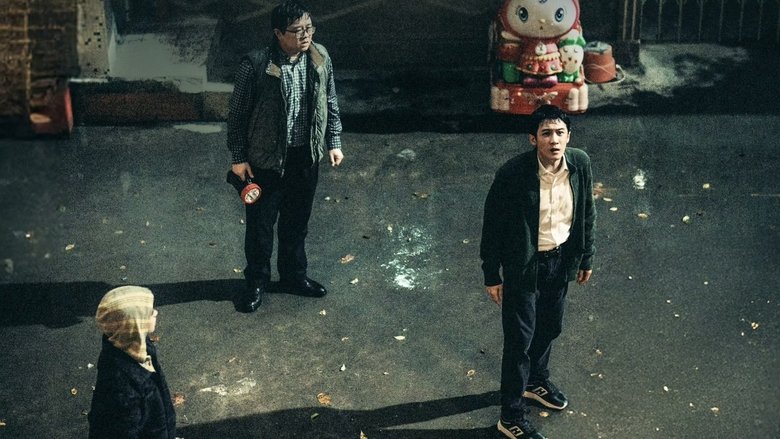
Ultimately, *Sound of Silence* transcends its "based on a true story" origins (inspired by lawyer Zhang Qi) to become a searing indictment of how society commodifies vulnerability. The film suggests that the true crime isn't just the financial fraud, but the systemic exclusion that makes such fraud possible. While the antagonist may arguably veer into "mustache-twirling" territory, lacking the nuance of the protagonist, the film remains a potent piece of social realism. It forces the audience to confront the "audism" embedded in our legal systems. Wan Li has crafted a picture where the silence is not empty; it is heavy, accusatory, and finally, undeniably loud.