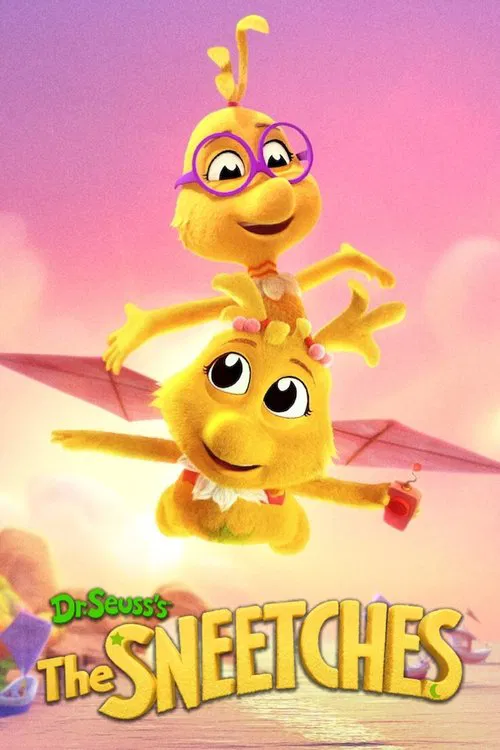
The Softening of SatireIn the pantheon of Theodor Geisel’s work, *The Sneetches* has always stood as a particularly sharp blade. It was a fable not merely about difference, but about the insidious mechanics of capitalism and the arbitrary nature of status. However, Bronagh O'Hanlon’s 2025 animated special for Netflix, *Dr. Seuss’s The Sneetches*, takes this serrated parable and wraps it in the comfortable, felt-textured safety blanket of modern preschool programming. While visually resplendent and undeniably sweet, one cannot help but feel that in smoothing out the edges for a new generation, the film has lost the dangerous spark that made the original essential.
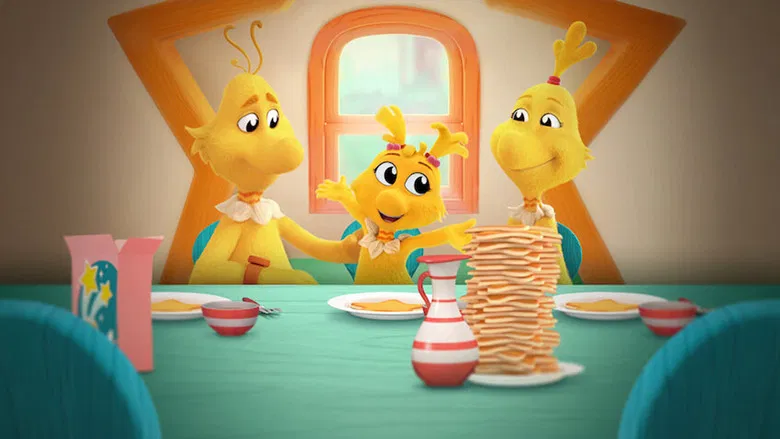
O'Hanlon, known for her work with Brown Bag Films on *Doc McStuffins*, brings a distinct visual competence to the project. The animation is a tactile delight; the sand looks warm enough to touch, and the Sneetches themselves move with a fluid, bouncy weight that feels appropriately Seussian yet modern. The biomes—the sun-drenched beaches of the Star-Bellies and the cool, bioluminescent grottos of the newly invented "Moon-Bellies"—are rendered with a painterly eye. It is a world that begs to be lived in, a far cry from the stark, yellow backgrounds of the original illustrations. Yet, this visual richness occasionally works against the narrative’s urgency. The world is so inviting, so devoid of genuine menace, that the central conflict feels less like a societal crisis and more like a simple misunderstanding waiting to be hugged out.
The narrative departure from the source material is where the film makes its boldest, and perhaps most controversial, pivot. Gone is the "Plain-Belly" underclass; in their place are the Moon-Bellies, a separate but equal tribe. This shift fundamentally changes the metaphor. We are no longer watching a story about systemic exclusion and the predatory economics of Sylvester McMonkey McBean (who has been demoted here to a non-speaking pet monkey). Instead, we are presented with a *Romeo and Juliet* dynamic sans the tragedy—a tale of two separated cultures, represented by the inquisitive Stella and the gentle Pearl, learning that they aren't so different after all.

The heart of the film lies in the chemistry between these two young protagonists. Amari McCoy (Stella) and Sophie Petersen (Pearl) deliver performances brimming with genuine warmth. Their secret meetings and eventual collaboration to build a machine that bridges their worlds are executed with a sincerity that will undoubtedly resonate with younger viewers. There is a moving sequence where the two discover that their "opposing" cultures share similar songs, a moment that beautifully illustrates the universality of longing. It is a gentle, humanistic touch that prioritizes connection over conflict.
However, by removing the capitalist critique—the idea that prejudice is a product sold to us for profit—the film declaws the beast. The original book was a warning about how easily we can be manipulated; this special is a lesson on how nice it is to be friends. It treats the symptoms of division (loneliness, separation) without diagnosing the disease (status anxiety, exploitation).
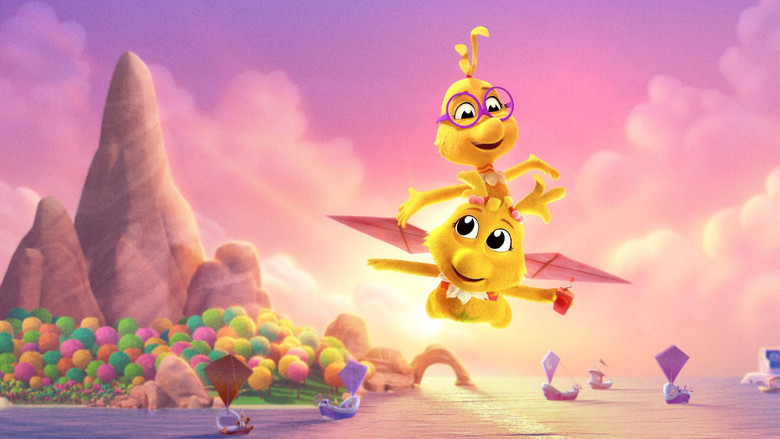
Ultimately, *Dr. Seuss’s The Sneetches* is a triumph of atmosphere over allegory. It is a beautifully crafted, emotionally intelligent film for children that preaches kindness with an open heart. Yet, for those of us who remember the sting of the original—the frantic race through the star-on and star-off machines, the emptying of pockets, the exhaustion of keeping up appearances—this version feels like a lullaby when a wake-up call was needed. It is a lovely dream of unity, but one that forgets the nightmares we must navigate to get there.