
Clara Garcia
María Jesús Marcone
Clara Garcia
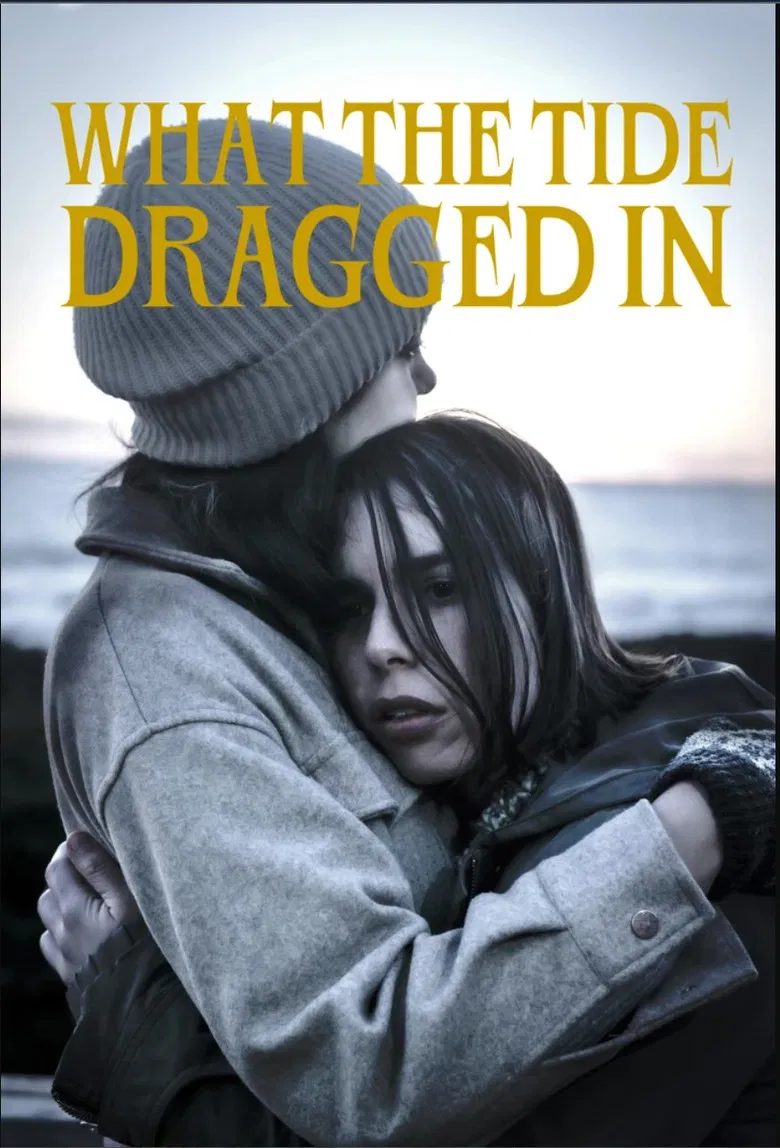
Follows two sisters who visit a beach after their mother's funeral, only for one of them to begin to act strangely after she is nearly swept away by a current.
Clara Garcia
María Jesús Marcone
Clara Garcia

Martina Garcia
Luna Martínez
Martina Garcia

Voz de Diego
Giordano Rossi
Voz de Diego

Niña de la Playa
Rafaela Villadares
Niña de la Playa

Voz de Emergencias
Osvaldo Varas
Voz de Emergencias

Voz de Fantasma
Priscilla Olguin
Voz de Fantasma

Narratora
Ana Cardenas
Narratora
Screened at Black Sunday Film Festival 30th January 2026. What The Tide Dragged In follows two sisters, who visit a beach after their mother’s funeral, only for one of them to begin to act strangely after she is nearly swept away by a current. This is a wonderful feature that stands out on a sea of gore-soaked horror films. Instead, writer/director Patricio Valladares opts for a slow burn, psychological affair. The haunting tone of this film is set early, as the sisters, Clara (María Jesús Marcone), and Martina (Luna Martinez), visit the grave of their grandfather. Huddling their mother’s ashes, they take a photo to remember the bond they once had, before travelling to the coast where the ashes would be scattered. You can tell from the outset the bond between these siblings runs deep despite bubbling tensions as Martina was left to care for their mother alone. It’s evident the trauma of losing a parent is felt in every second of this film and both actors portrayed this emotion effortlessly. These feelings are mirrored by the wonderful score, with the tone matched beautifully by haunting cinematography. The film is awash with a blue/grey colour palette which effectively allows us to be engrossed in this dark time of our characters’ lives. Each then work in unison effortlessly to ease us into a chilling first act before the story takes a sharp turn. There are some wonderfully disturbing images here and truly shocking moments scattered throughout the film. You’re not going to be met with multiple jump scares and cheap thrills, instead you’re treated to well thought out traumatising scenes which are made more impactful by the style of filmmaking. The film’s pacing allows for character development, allowing the audience to bond so when later events unfold, you feel emotion instead of a guttural response. Allowing space for the story to breathe is a great choice as it allows for true exploration of grief as a core theme. The poster drew me in – it’s a striking image and portrays a figure that could blend wonderfully into a folk horror sub-genre. However, after viewing this film it’s clear there was so much more to discover. I can see how this could be considered not a true horror film, but more a psychological study of grief, familial relationships and how we navigate these through troubling times. It could be argued this is the true horror of life, dealing with our own mortality and how the ones left behind navigate this world without their loved ones. Fans of arthouse cinema and thought-provoking international cinema should absolutely give this a watch.
Read full review