The Architecture of ForgivenessIn the vast, often noisy landscape of contemporary queer cinema, where trauma is frequently mined for spectacle, Shaira Advincula’s *I Wish You Had Told Me* (2025) arrives as a quiet insurrection. It is a film that refuses to shout, even when its characters are screaming. Advincula, a director whose previous work has often flirted with the boundaries of interpersonal intimacy, here constructs a delicate, almost fragile monument to the things we leave unsaid. This is not merely a "coming out" story in reverse; it is a ghost story where the haunting is done not by a spirit, but by a silence that spanned decades.
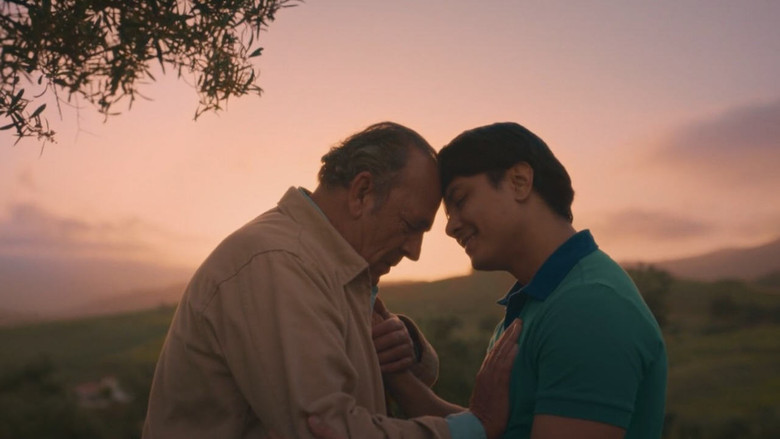
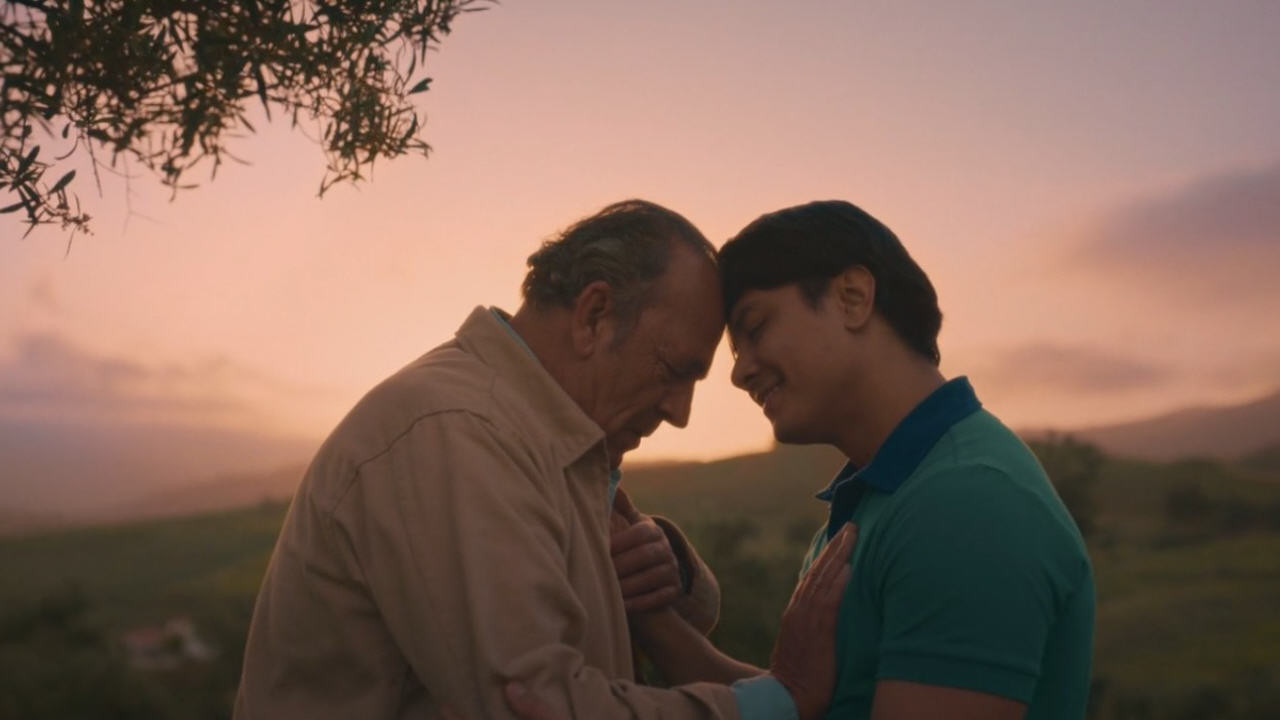
The narrative framework is deceptively simple, bordering on the procedural. Seph (Juan Karlos Labajo), a young missionary entrenched in the dogmatic certainty of his conservative church, finds his world upended at his father’s funeral. The revelation that his late father, Otep, was a closeted gay man who maintained a decades-long epistolary romance with a Spaniard named Rum sends Seph on a pilgrimage from the Philippines to Spain. However, Advincula and cinematographer Kara Moreno are not interested in a travelogue. The Spain we see is not a tourist’s playground but a landscape of memory—washed out, sun-bleached, and achingly lonely.
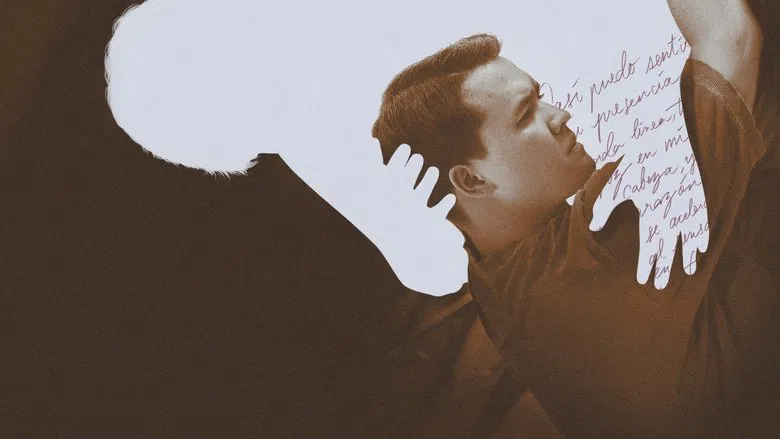
Advincula’s visual language relies heavily on the interplay between the physical and the ethereal. She employs a daring, surrealist device to bridge the gap between the living and the dead: text messages and letters that manifest as direct conversations. In lesser hands, this could have been cloying. Here, it is devastating. When Seph "speaks" to his father across the digital void, the film dissolves the barriers of time. The director frames these interactions with a claustrophobic intimacy, often placing the camera uncomfortably close to Labajo’s face, forcing us to witness the slow erosion of his pious judgment into reluctant empathy.
The film’s emotional anchor lies in the dual performance of the father, Otep—played in flashbacks by JC Santos and in the "present" by Bodjie Pascua. Santos, known for his ability to convey bruised masculinity, is heartbreaking as a man suffocating under the weight of performative heteronormativity. But it is Juan Karlos Labajo who carries the film’s heaviest burden. His Seph is initially unlikeable—stiff, judgmental, a soldier for a theology that hates his father’s nature. Labajo charts a micro-evolution of the soul, peeling back layers of religious indoctrination to find the grieving son beneath. The chemistry isn't romantic, but ancestral; it is the tension of a son trying to forgive a father for not being who he needed him to be, while realizing he never knew who his father actually was.
Critically, the film stumbles in its pacing. The second act, set in Spain, occasionally drifts into melodrama, particularly with the introduction of the mysterious Rum (Jaime García), whose presence feels more symbolic than grounded. Yet, the film recovers in its final moments. Advincula refuses to give us a clean resolution. There is no grand theological reconciliation, no scene where the church apologizes. Instead, there is only the quiet acceptance of a life lived in the margins.
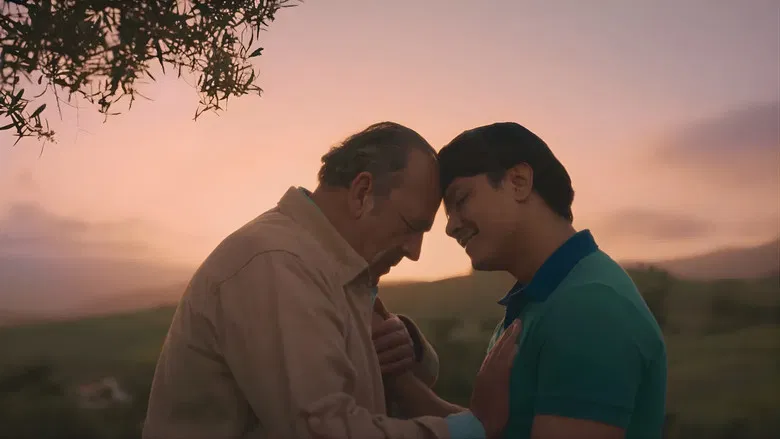
*I Wish You Had Told Me* is a significant entry in Filipino cinema’s ongoing dialogue with Catholicism and queer identity. It argues that love, in its purest form, often looks like secrecy—a protection mechanism against a world not ready to understand it. Advincula has crafted a film that suggests we are all just walking wounded, carrying letters we never sent, waiting for permission to finally be ourselves. It is a flawed, beautiful, and necessary prayer for the silenced.