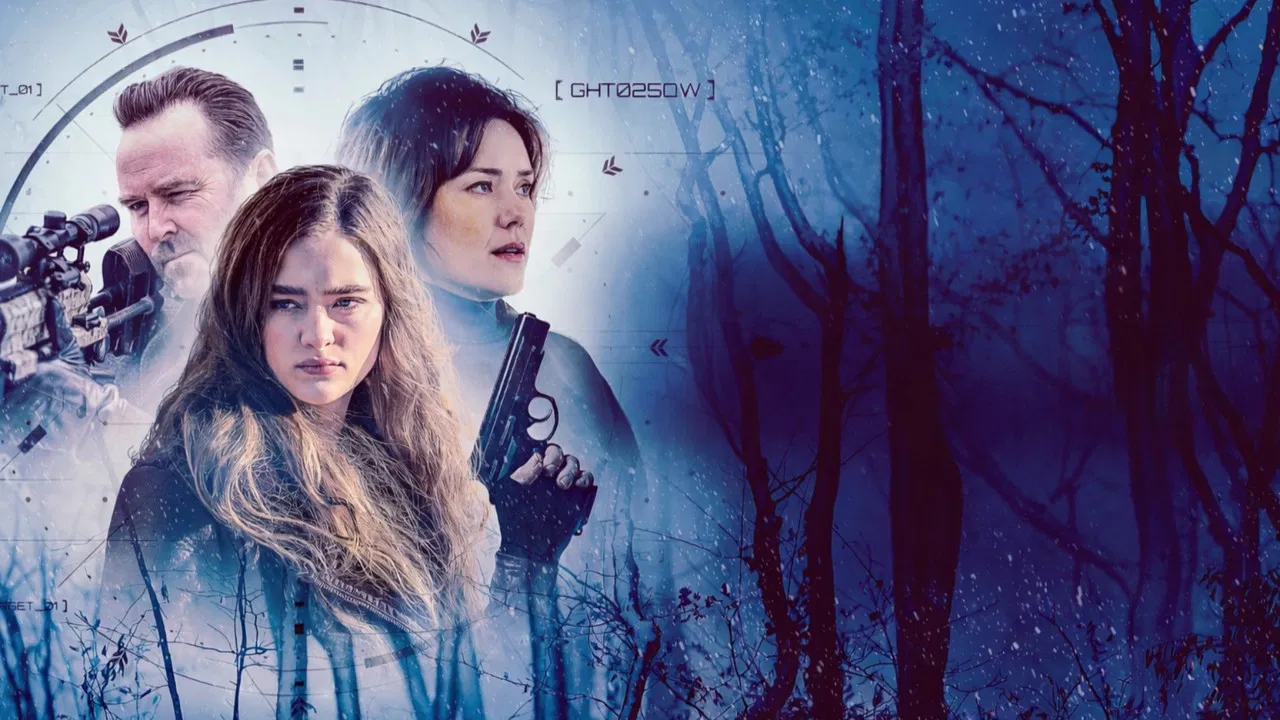
The Graduation of ViolenceThere is a grim irony in James Bamford’s latest feature, *The Internship*. The title suggests corporate satire—perhaps a sequel to the 2013 Vince Vaughn comedy—but the reality is a bruising, kinetic deconstruction of the "child soldier" trope that has long haunted the spy thriller genre. Released quietly to digital platforms in early 2026, Bamford’s film avoids the bloated spectacle of modern superhero cinema, opting instead for the tactile, bone-crunching practicality that defined his tenure as the stunt architect of the *Arrowverse*. It is a film that views the human body not as a vessel for CGI, but as a fragile, dangerous instrument of will.
Bamford, a veteran stunt coordinator turned director, understands that action is a language, not merely a distraction. In *The Internship*, the narrative hook—a CIA black site that molds children into assassins—is familiar territory, echoing *Black Widow* or *La Femme Nikita*. However, Bamford strips away the operatic gloss. The training sequences are filmed with a clinical, sterile detachment, emphasizing the industrialization of violence. When the narrative shifts to the present, and protagonist Renee (Lizzy Greene) initiates her rebellion, the camera work changes. It becomes intimate and claustrophobic, trapping us in the chaotic airspace of close-quarters combat.

The film’s visual identity is anchored in spatial coherence. Unlike many contemporary action directors who hide poor choreography behind rapid-fire editing, Bamford holds his shots. He allows the audience to see the exhaustion in a punch or the desperation in a grapple. This approach serves the story’s central metaphor: the "internship" was never about learning a trade; it was about the systematic erasure of the self. The violence, therefore, is not triumphant. It is the only form of expression these characters have left, a tragic language they are trying to unlearn even as they use it to survive.
Lizzy Greene, shedding her sitcom past, anchors the film with a performance of surprising stoicism. She avoids the "quip-heavy" style of modern action heroes, playing Renee as a woman seemingly hollowed out by her upbringing. Her chemistry with the supporting cast—including the highly anticipated reunion of *Strike Back* alumni Philip Winchester and Sullivan Stapleton—provides the film's emotional ballast. While the script occasionally leans on expository dialogue to explain the program's "true story" origins (a marketing angle that feels oddly superfluous), the actors sell the history. The showdowns involving Stapleton and Winchester are not just fan service; they are clashes of ideology, played out by actors who carry the physical weight of the genre in their posture.

Ultimately, *The Internship* succeeds because it refuses to glamorize its premise. The rebellion of the interns is not a sleek, coordinated overthrow, but a messy, desperate clawing for agency. Bamford illustrates the cost of this life in every bruised rib and bloodshot eye. In an era where action cinema often feels weightless and digital, this film is a reminder of the genre's potential for grit and gravity. It is a small, sharp shock of a movie—a violent coming-of-age story where graduation doesn't mean a degree, but survival.