The Architecture of AgonyTo categorize *UFC 324* merely as a sporting event is to misunderstand the medium in which director Anthony Giordano operates. For decades, Giordano has been the unnoticed auteur of the most visceral reality programming on television, orchestrating a symphony of violence that is as much about the silence between strikes as the impact itself. In this latest installment from the T-Mobile Arena, we are presented not with a game, but with a piece of modern gladiatorial theater that interrogates the human threshold for pain and the intoxicating allure of the spectacle. It is a film about consequences, captured in real-time, with no script to save the protagonists from their own hubris.

The visual language of the evening was particularly suffocating. Giordano, working within the constraints of a live broadcast, manages to create a sense of claustrophobia that belies the cavernous setting of the Las Vegas venue. The camera lingers uncomfortably long on the heaving chests of the fighters between rounds; the microphones are tuned to catch the wet thud of shin against thigh, a sound design choice that strips away the glamour and leaves only the raw mechanics of injury. In the co-feature, the presence of Sean O'Malley offered a neon-soaked counterpoint to the evening's grim aesthetic—a flashy, fluid dancer whose movements felt almost choreographed against the erratic, desperate rhythms of his opponent, Song Yadong. But even here, the lens refused to glamorize, focusing instead on the swelling bruises that map the narrative of the fight on the skin itself.

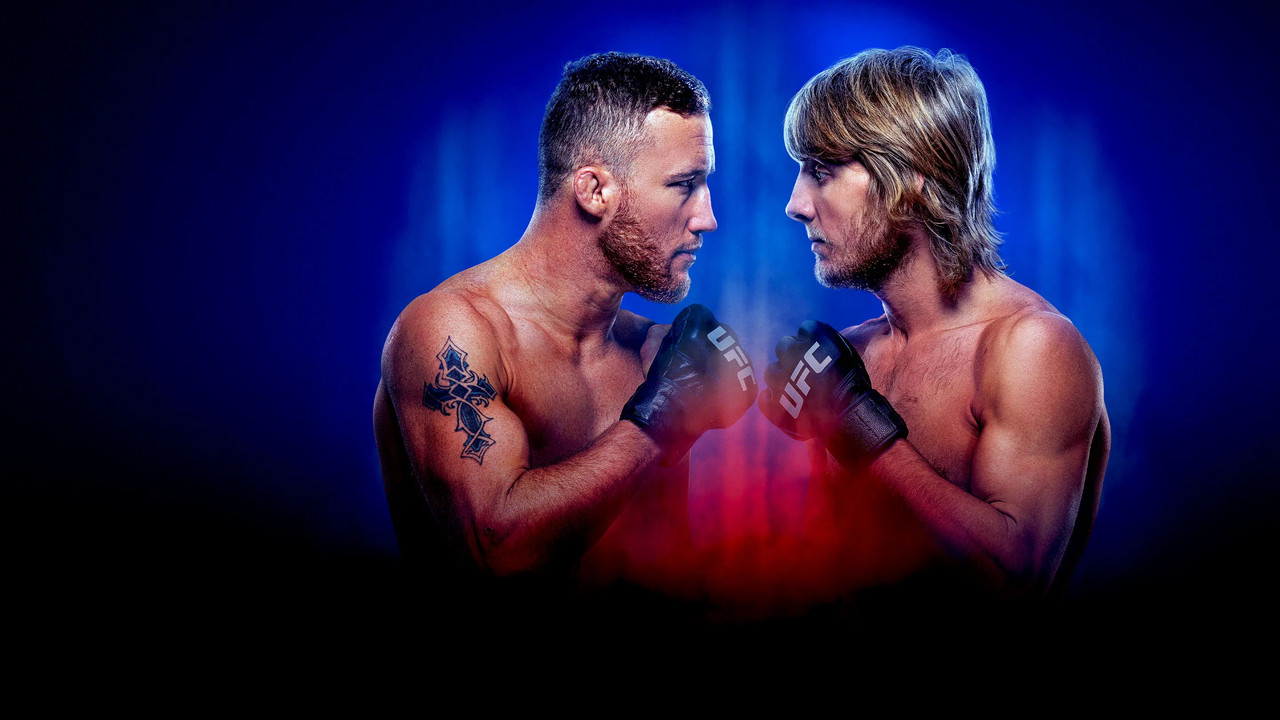
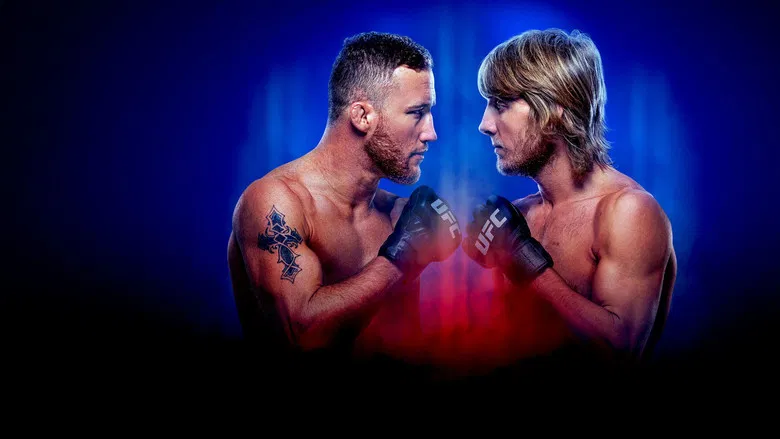
However, the event’s emotional center of gravity was undeniably the collision between Justin Gaethje and Paddy Pimblett. This was a casting choice of Shakespearean proportions: Gaethje, the stoic purveyor of car-crash violence, a man who seems to view defense as a personal insult, pitted against Pimblett, the charismatic, chaotic force of personality who has ridden a wave of public adoration to the summit. The narrative tension here was palpable. It was not simply a fight; it was a referendum on substance versus hype. As the bout unfolded, the "film" shifted from a sports broadcast to a character study. We watched Pimblett’s bravado chip away under the relentless, industrial pressure of Gaethje’s offense. It was a brutal dismantling of a myth, rendered with a pathos that few scripted dramas achieve.
Ultimately, *UFC 324* stands as a testament to the enduring power of unsimulated conflict. In an era of digital perfection and sanitised entertainment, there is something profoundly grounding about watching two human beings exhaust their physical and mental reserves in a cage. It is grotesque, yes, but it is also undeniably honest. The final frames, capturing the victor’s hand raised amidst a canvas smeared with the evidence of their struggle, offered a stark reminder: in this specific genre of cinema, the blood is the only prop that cannot be faked, and the story is written in bruises that will fade long after the credits roll.