The Architecture of MemoryMemory, in cinema, is often treated as a ghost story—a haunting that must be exorcised. But in Sim F.’s latest feature, *A Letter to My Youth* (*Surat Untuk Masa Mudaku*), memory is architectural. It is a physical space one can walk back into, renovate, and perhaps, finally, inhabit with peace. Released today on Netflix, the film marks a distinct shift for the director, moving away from the nationalistic gloss of *Susi Susanti: Love All* toward something far more intimate, fragile, and profoundly autobiographical.
The premise threatens to slip into the maudlin territory of "orphanage melodramas," a genre Indonesian cinema has historically saturated with excessive tears and victimhood. Yet, Sim F. avoids this trap by grounding the narrative in his own lived reality—having spent his formative years in an orphanage himself. The film follows Kefas (played with vibrating intensity by newcomer Millo Taslim in the past, and a weary Fendy Chow in the present), a rebellious teenager navigating the rigid structures of institutional care while forming a tenuous bond with a reserved caretaker.
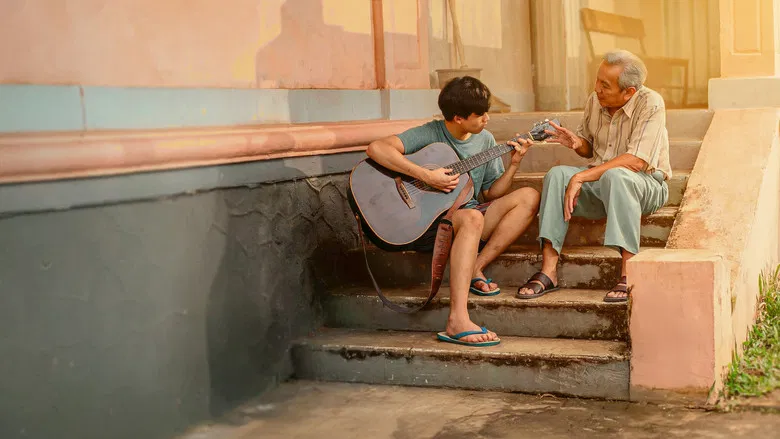
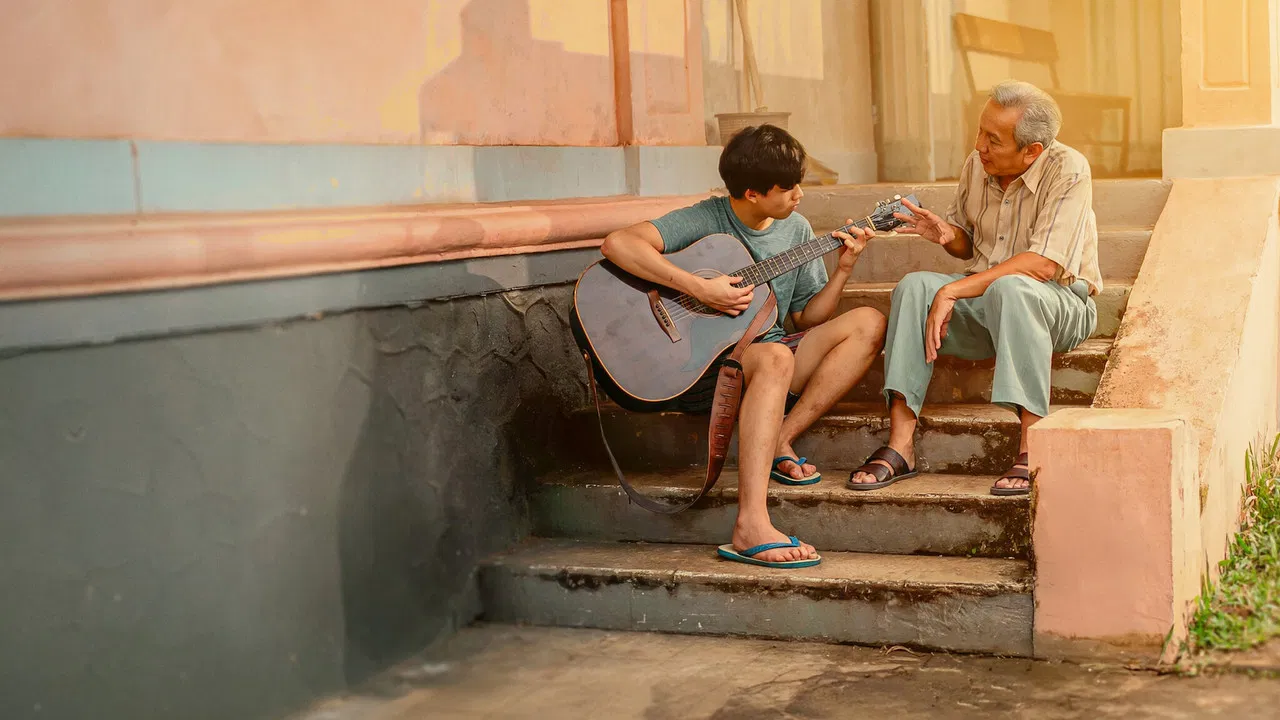
Visually, *A Letter to My Youth* is a rejection of the gritty, desaturated palette usually reserved for stories of abandonment. Sim F., with his background in fine arts and music videos, bathes the orphanage in a complex light—amber afternoons that feel safe yet suffocating, and cool, blue evenings that suggest isolation. The camera doesn't pity these children; it observes them with a "warm realism." There is a specific scene involving a shared meal that is framed not as a display of poverty, but as a communion of survival. The director understands that for the characters, this isn't just a setting for tragedy; it is the only home they know, and the visual language respects that ownership.
The film’s emotional weight rests heavily on the shoulders of Millo Taslim. Carrying a famous surname (he is the nephew of action star Joe Taslim) often comes with the burden of expectation, but Millo’s performance is refreshingly unpolished. He possesses a kinetic, restless energy that contrasts sharply with Fendy Chow’s stillness as the adult Kefas. The film uses this dichotomy to explore its central thesis: that the "letter" we write to our younger selves is not a lecture, but an apology. The interplay between the two timelines avoids the clunky "flashback" structure of lesser films, instead flowing like a conversation between two strangers who happen to share a soul.
Ultimately, *A Letter to My Youth* is a quiet triumph in the 2026 streaming landscape. In an era of content designed for background noise, Sim F. demands we sit with the discomfort of looking backward. It suggests that while we cannot edit the raw footage of our upbringing, we can change the color grading of the memory. It is a tender, aching film that asserts that survival is not just about leaving the orphanage—it’s about ensuring the orphanage doesn’t leave you hollow.