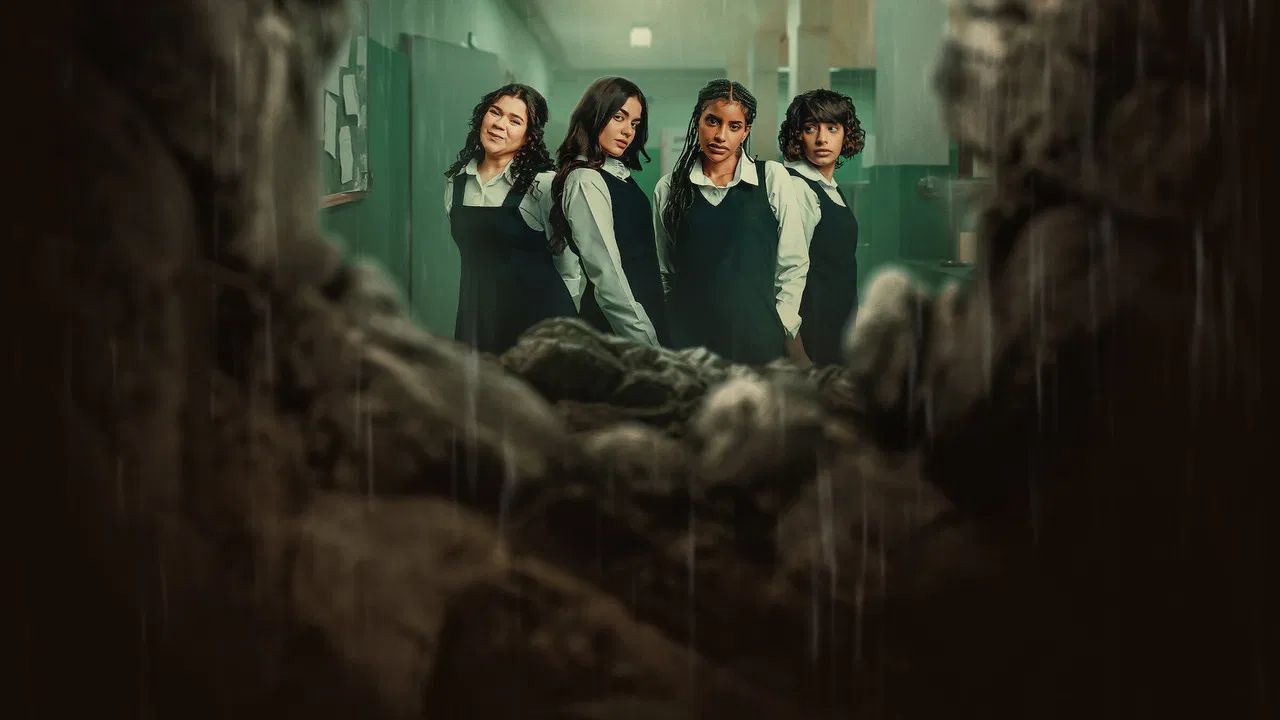
The Architecture of GuiltCinema has long been fascinated by the concept of the "descent"—the literal movement downwards reflecting a psychological spiral. In 2024, Khalid Fahad’s *From the Ashes* (*Jaras Enzar*) broke ground as a Saudi Netflix hit, fictionalizing the tragic 2002 Mecca school fire with a blend of melodrama and social commentary. If that film was about the external pressures of a conservative society, his 2026 sequel, *From the Ashes: The Pit*, is a terrifying implosion. Stripped of the sprawling ensemble and period setting, Fahad delivers a claustrophobic survival thriller that suggests the only thing more dangerous than fire is the water rising to put it out.
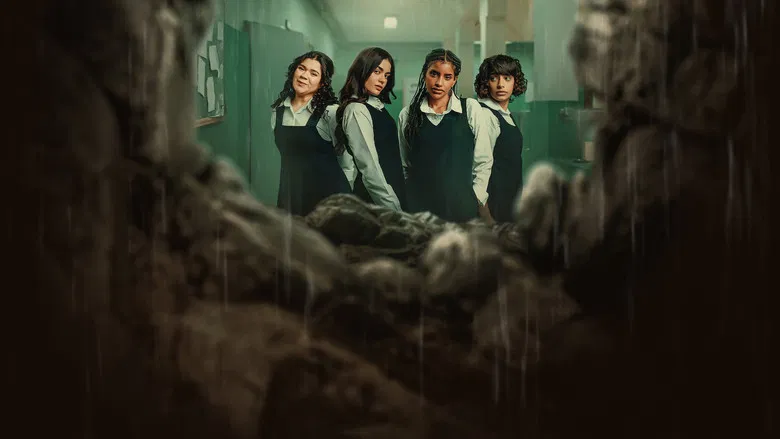
The film picks up in the present day, with the survivors of the original tragedy—Mona (Aseel Morya), Mashael (Moudi Abdullah), and Heba (Wafa Al Wafi)—now estranged adults. The narrative wastes little time on pleasantries. During a reunion at the rebuilt school site, a torrential rainstorm causes a catastrophic ground collapse, plunging the women into a subterranean cavern—a "pit" that serves as both a physical trap and a heavy-handed, yet effective, metaphor for their unresolved trauma.
Visually, Fahad has matured significantly since his 2024 debut. Where the first film sometimes suffered from the flat lighting typical of streaming dramas, *The Pit* embraces the darkness. Cinematographer Abdelsalam Moussa works wonders with limited light sources, using the murky, rising water to create a suffocating atmosphere. The camera holds tight on the actors’ faces, refusing to let them (or us) look away from the panic. The sound design is equally oppressive; the groan of shifting earth and the relentless drip of water create a sonic landscape that feels like it’s closing in on the viewer. It is a technical leap forward, moving Saudi cinema closer to the polished tension of Hollywood heavyweights like *The Descent*, though rooted firmly in local cultural dynamics.
The heart of the film, however, is not the survival mechanics, but the toxicity of the relationships. The "Pit" forces a confrontation that the women have avoided for years. The script cleverly weaponizes the secrets of the first film—who lit the cigarette? Who locked the door?—transforming them from plot points into psychological shrapnel. Moudi Abdullah gives a standout performance as Mashael, whose defensive exterior crumbles as the water level rises. The film argues that they never truly escaped the fire; they merely carried the ashes with them, burying them until the ground literally gave way. The addition of Maria (Aseel Seraj) as an outsider adds a necessary volatility, preventing the dynamic from becoming stale.
Ultimately, *From the Ashes: The Pit* succeeds because it understands that a sequel shouldn't just be "more," it should be "deeper." It sheds the melodramatic weight of its predecessor for a leaner, meaner genre exercise. While it occasionally relies on convenient plot contrivances to keep the characters trapped, it remains a gripping examination of survivor’s guilt. It suggests that while the body can be rescued, the soul often remains trapped in the dark, waiting for a second chance that may never come.