Thawing the MythThe "Miracle on Ice" is perhaps the most ossified narrative in American sports history. Over the last forty-six years, the 1980 medal-round victory of a ragtag group of U.S. college kids over the Soviet juggernaut has been polished into a frictionless diamond of Cold War triumph. It has been reduced to a Disney movie, a catchphrase, and a symbol of ideological superiority. But symbols do not bleed, and they certainly do not age. Max Gershberg and Jake Rogal’s new documentary, *Miracle: The Boys of '80*, released on Netflix just ahead of the Milan Cortina games, performs a necessary act of restoration. It strips away the accumulated varnish of four decades to reveal something far more fragile and compelling: the human texture beneath the mythology.
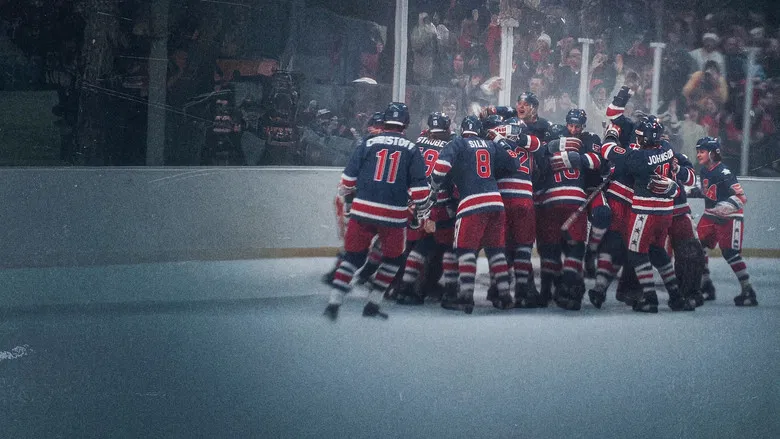
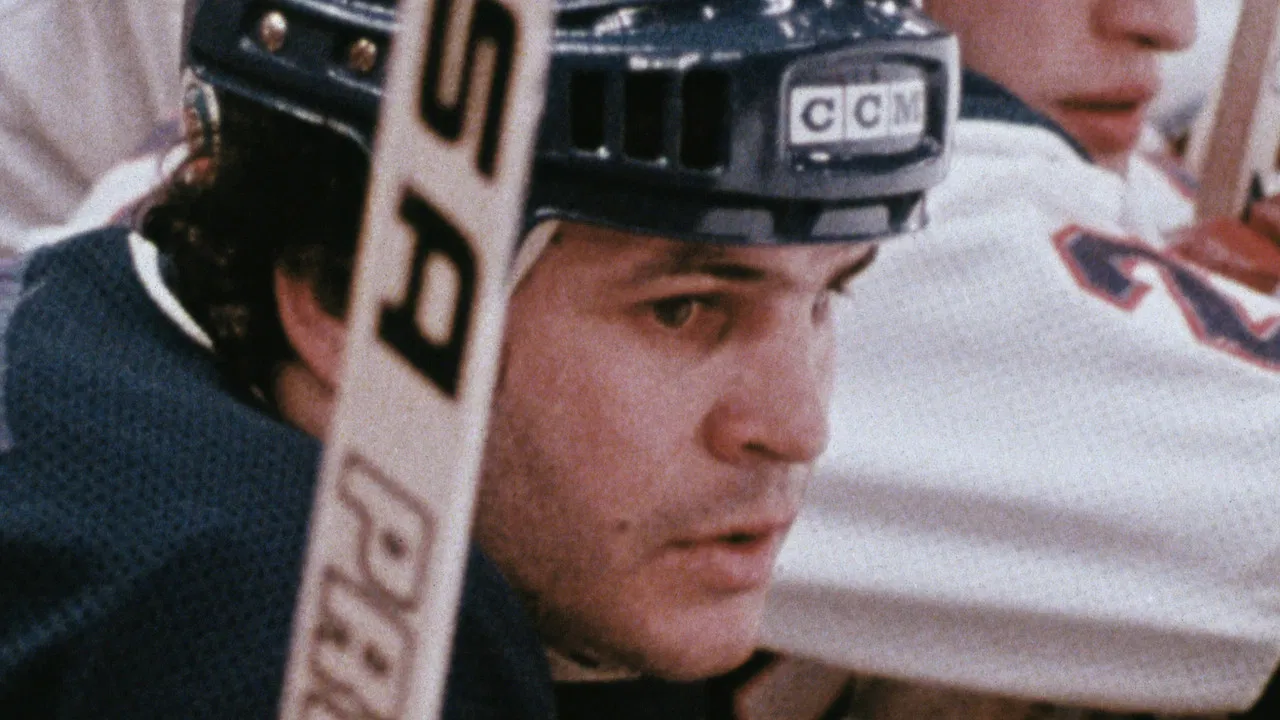
Gershberg and Rogal understand that we do not need another recounting of the game’s box score. Instead, they offer a meditation on time. The film’s visual language is built on a stark, poignant contrast. On one hand, we have the "never-before-seen" 16mm archival footage, which is the documentary’s technical crown jewel. These images are grainy, tactile, and beautifully imperfect. They capture the kinetic chaos of the ice and the locker room with an intimacy that high-definition broadcasts never could. In this footage, the players—Jim Craig, Mike Eruzione, Mark Johnson—look shockingly young. They are not the titans of history yet; they are anxious kids with acne and bad haircuts, skating under the weight of a geopolitical conflict they barely understood.
The directors juxtapose this vibrant, chaotic past with a somber present-day framing device: returning the surviving members of the team to the Olympic Center in Lake Placid. Watching these men, now in their late 60s, walk through the empty, silent locker rooms is where the film finds its emotional center. It creates a "ghost in the rink" effect. The silence of the modern arena amplifies the noise of the past. It is here that the film resists the easy dopamine hit of nostalgia and instead touches on the melancholy of aging. The "boys" are now grandfathers, and the film pays quiet, respectful tribute to those who are no longer there to walk the halls, dedicating significant emotional space to teammates like Mark Pavelich and Bob Suter.
The narrative strength of *The Boys of '80* lies in its refusal to treat the players as mere instruments of democracy. While the film acknowledges the suffocating atmosphere of 1980—the malaise of the Carter years, the Iran Hostage Crisis, the looming threat of the Soviet Union—it treats these as the backdrop, not the subject. The subject is the "lived experience" of the athletes. The interviews are devoid of the rehearsed media-speak that usually plagues sports documentaries. Instead, we get reflections that feel confessional. They talk about the terror of failing coach Herb Brooks, the bizarre isolation of the Olympic Village, and the surreal realization that the world had changed while they were simply trying to win a hockey game.
Ultimately, *Miracle: The Boys of '80* succeeds because it lowers the volume. It suggests that the "miracle" wasn't that capitalism beat communism, or that David beat Goliath. The miracle was that for sixty minutes, a group of young men found a shared frequency of belief that defied logic. By grounding the story in the fragility of memory and the reality of aging, Gershberg and Rogal have given the 1980 team a gift greater than immortality: they have given them back their humanity.