✦ AI-generated review
The Geometry of Fear
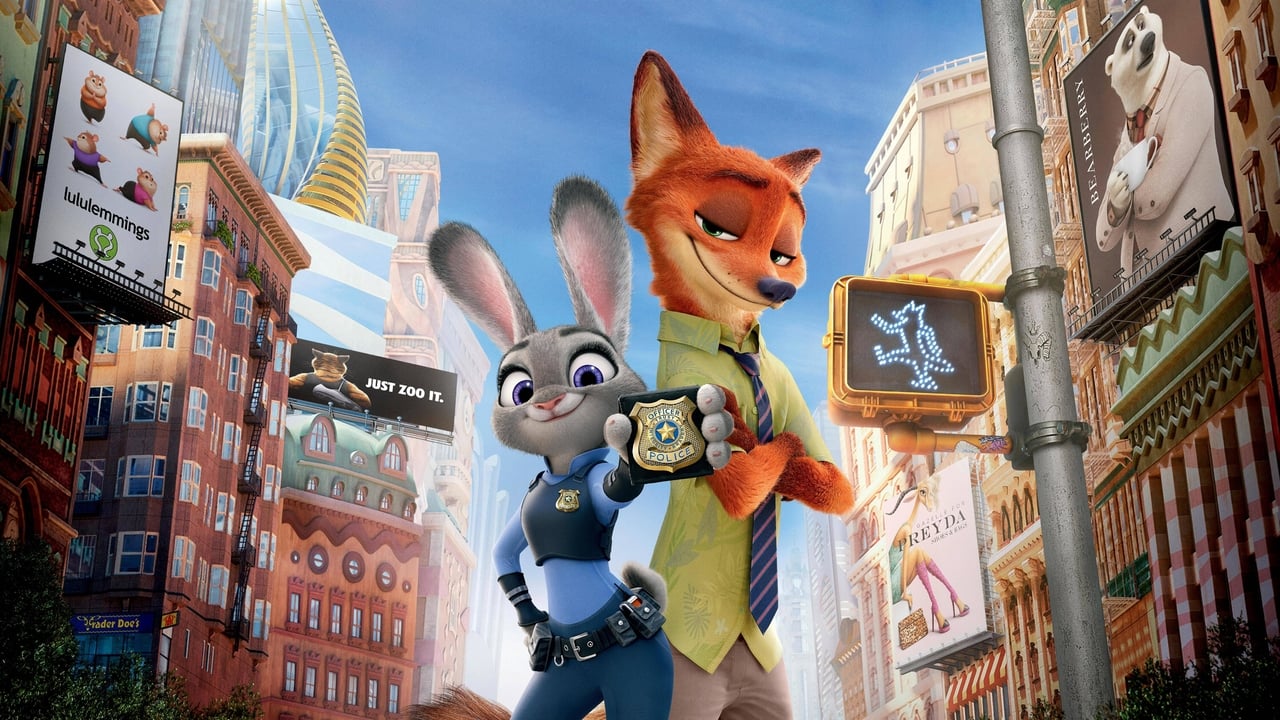
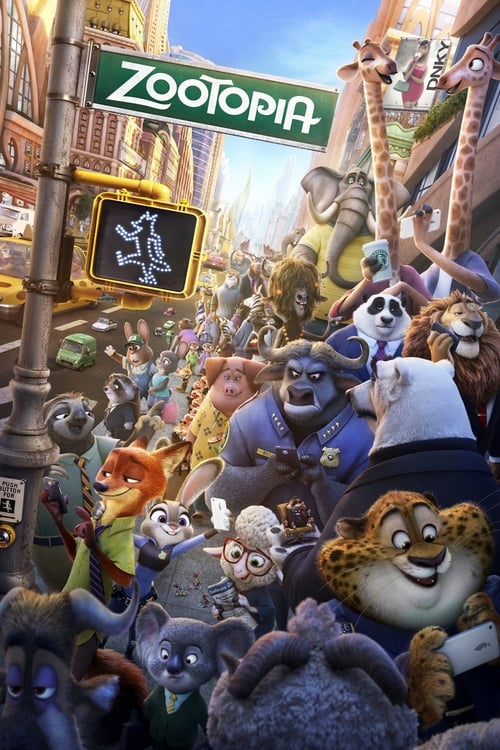
There is a deceptive gloss to *Zootopia* (2016). On its surface, it presents itself as a buoyant, buddy-cop procedural draped in the fuzzy aesthetics of a Walt Disney animation. The marketing promised a romp about a bunny cop and a con-man fox; however, what directors Byron Howard and Rich Moore actually delivered was a noir-inflected dissection of institutional prejudice. Cinema often uses the anthropomorphic animal kingdom to simplify human morality, but *Zootopia* uses it to complicate it. This is not a film about how we should all just "get along"; it is a film about the weaponization of biological essentialism and the fragility of the social contract.
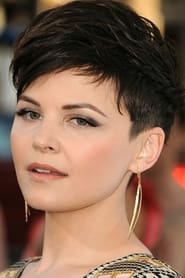
Visually, the film is a triumph of scale and sociology. The city itself—divided into climate-controlled boroughs like Tundra Town and Sahara Square—is designed with a verticality that suggests both opportunity and segregation. The camera treats the metropolis not merely as a background, but as a living, breathing antagonist. When Officer Judy Hopps (Ginnifer Goodwin) first arrives by train, the sequence is a masterclass in world-building, showcasing a gleaming, functional society. Yet, the film’s visual language quickly shifts from this wide-eyed optimism to the claustrophobia of the police procedural. The lighting borrows heavily from neo-noir, utilizing shadows and grime to suggest that this utopia is built on a tenuous peace between the powerful and the marginalized.
The film’s brilliance—and its bite—lies in its refusal to make its protagonist a saint. Judy Hopps is not the standard Disney dreamer; she is a well-meaning participant in a broken system. Her journey is not simply to defeat a villain, but to confront her own internalized bigotry. The narrative pivot point occurs during a disastrous press conference where Judy, flustered and reaching for an explanation, suggests that the "savage" behavior of certain citizens is linked to their "biology." In this moment, the film transcends the genre of family entertainment. It exposes the "model minority" myth and illustrates how quickly the language of safety can curdle into the rhetoric of segregation. Judy thinks she is stating facts; in reality, she is confirming the biases of a fearful populace.
Central to this emotional architecture is the relationship between Judy and Nick Wilde (Jason Bateman). Nick is a character etched in cynicism, a fox who decided that if the world sees him as untrustworthy, he might as well monetize that distrust. Bateman’s vocal performance is layered with a weary defense mechanism that slowly peels away. The chemistry between Goodwin and Bateman anchors the film, transforming it from a lecture on tolerance into a specific story about two people navigating the trauma of stereotypes. The scene in the ice cream parlor, where Nick is quietly refused service, is played without melodramatic musical cues, allowing the raw discomfort of casual discrimination to sit heavy in the air.
If *Zootopia* stumbles, it is perhaps in the mechanics of its allegory. By equating racial minorities with "predators"—who, in the film’s lore, *did* historically eat the "prey"—the metaphor risks validating the very fears it seeks to dismantle. Yet, this messiness feels inadvertently honest. The film concludes not with a magical dissolution of tension, but with the understanding that the work of a pluralistic society is never finished. *Zootopia* remains a vital piece of modern animation because it dares to suggest that the scariest monsters aren't hiding in the dark; they are hiding in our assumptions.