The Mousetrap of Modern IntimacyThe romantic comedy has long been a genre in crisis, trapped between the chaste neuroses of the 1990s and the raunchy cynicism of the mid-2000s. In *Sleeping with Other People* (2015), director Leslye Headland attempts a daring rescue operation. She performs open-heart surgery on the genre, replacing its sugary center with addiction, compulsion, and a profound fear of intimacy. Headland has famously described this film as "*When Harry Met Sally* for assholes," and while the comparison is apt, it sells her own creation short. This is not merely a darker version of Nora Ephron’s classic; it is a distinct, sharp-edged exploration of how damaged people attempt to build safe harbors in a world that encourages emotional drift.

The film’s visual language is deceptive. Cinematographer Ben Kutchins captures New York City with a glossy, vibrant sheen that suggests a standard fairy tale—warm lights in bars, sun-dappled parks, and clean, aspirational apartments. Yet, Headland juxtaposes this polished aesthetic with the messy, frantic internal lives of her protagonists. The editing is often rapid-fire, mirroring the verbal sparring matches between Jake (Jason Sudeikis) and Lainey (Alison Brie), but the camera lingers uncomfortably during moments of vulnerability. The framing frequently isolates the pair in crowded rooms, emphasizing that their "platonic" pact is less about friendship and more about creating a shared bubble of survival against a dating culture they cannot navigate.
At the heart of the narrative is the recognition that love is often a form of substance abuse. Jake and Lainey are not merely "quirky" rom-com leads; they are addicts. Jake is addicted to the conquest and the subsequent emotional detachment, while Lainey is addicted to the pain of unavailability, personified by her toxic fixation on a dull, manipulative gynecologist (played with terrifying banality by Adam Scott). When they reconnect years after losing their virginities to one another, their decision to form a sexless friendship is a desperate attempt to go sober.
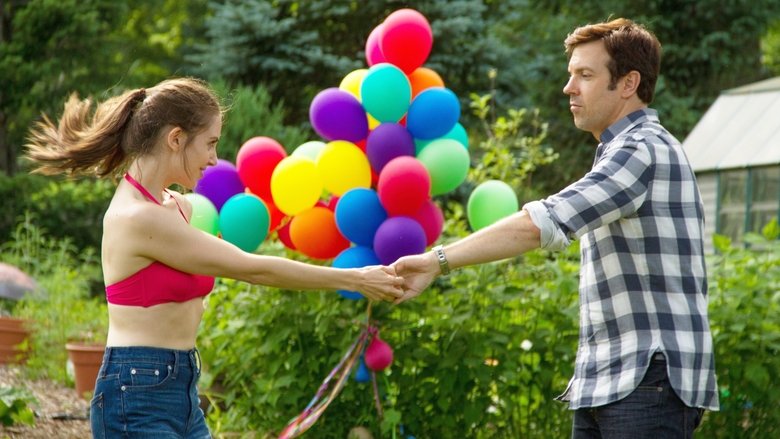
This dynamic leads to the film’s most discussed and arguably most brilliant sequence: the "green tea bottle" scene. In a lesser film, a scene where a man teaches a woman how to masturbate using an empty beverage container would play for gross-out shock value. Under Headland’s direction, it becomes a scene of clinical, yet overwhelming intimacy. By removing the physical act of sex between the two characters, the film allows them to achieve an emotional closeness that is far more terrifying to them than intercourse. It is a technical breakdown of pleasure that serves as a proxy for the care they are afraid to ask for directly.
The tragedy and comedy of *Sleeping with Other People* lie in its code word: "Mousetrap." Used to diffuse sexual tension, the word is a constant reminder that for these two, attraction is a trap that snaps shut and kills the friendship. The film argues that for the modern commitment-phobe, safety is more alluring than passion. However, Sudeikis and Brie possess a chemistry that makes this safety unsustainable. Sudeikis sheds his usual glib persona for something wearier and more desperate, while Brie is a revelation, oscillating between manic energy—seen in her ecstasy-fueled dance to David Bowie’s "Modern Love"—and shattering fragility.

Ultimately, the film cannot entirely escape the gravitational pull of its genre. The third act succumbs to the traditional "grand gesture" chase, a concession to formula that feels slightly unearned given the complexity of the problems preceding it. Yet, this softening of the blow does not negate the film's insights. *Sleeping with Other People* succeeds because it treats "fucking up" not as a quirky obstacle, but as a genuine human condition. It posits that even the "assholes"—the serial cheaters and the emotional self-saboteurs—are deserving of a love that doesn't require a safe word.