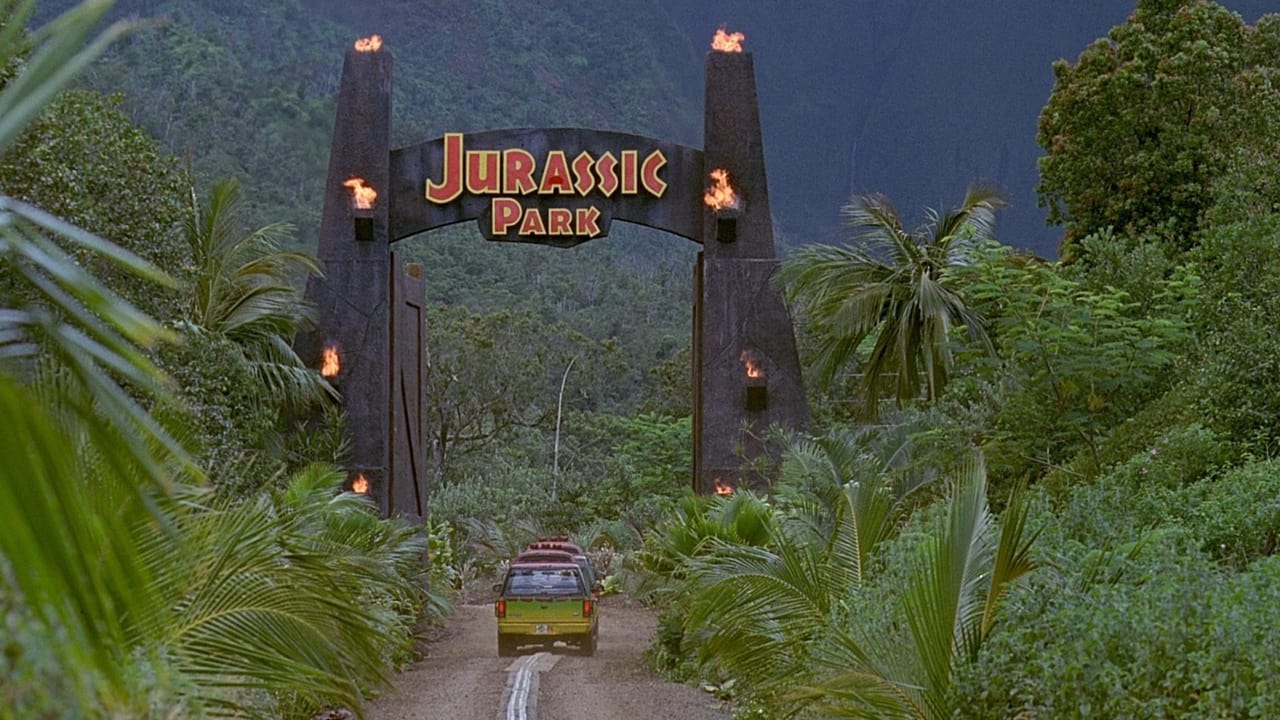
Jurassic Park backdrop
Jurassic Park poster

Jurassic Park

“An adventure 65 million years in the making.”

8.0
1993
2h 7m
AdventureScience Fiction

Overview

A wealthy entrepreneur secretly creates a theme park featuring living dinosaurs drawn from prehistoric DNA. Before opening day, he invites a team of experts and his two eager grandchildren to experience the park and help calm anxious investors. However, the park is anything but amusing as the security systems go off-line and the dinosaurs escape.

Trailer

30th Anniversary Official Trailer Official

Cast

Reviews

AI-generated review
The Architecture of Awe

It is difficult to overstate the seismic shift that occurred in cinema in 1993, yet to view Steven Spielberg’s *Jurassic Park* merely as a technological milestone is to miss the point of its enduring power. While it is rightly celebrated as the dawn of computer-generated imagery—the moment the digital pixel finally conquered the physical puppet—the film remains a masterpiece not because of what it shows, but because of how it creates belief. In an era now saturated with weightless digital destruction, Spielberg’s magnum opus stands as a rebuke to the very excess it inspired. It is a film about the terrifying, tactile weight of history crashing into the present.

The director’s visual language here is one of restraint and tactile reality. It is a common misconception that *Jurassic Park* is wall-to-wall dinosaur action; in truth, the prehistoric creatures occupy only about fifteen minutes of the runtime. Spielberg, borrowing from the playbook of his own *Jaws*, understands that anticipation is a more potent drug than revelation. He grounds the fantastical in the mundane elements of our world: the vibration of a guitar string, the fogging of a kitchen window, and, most famously, the concentric ripples in a plastic cup of water. Before we see the Tyrannosaur, we feel the earth tremble. When the creature finally steps through the paddock fence, stripping the wires with a metallic *twang*, it is not a digital phantom but a heavy, breathing animal, realized through Stan Winston’s magnificent animatronics. The rain that slicks its skin and the mud that swallows the tires of the Ford Explorer create a suffocating sense of reality that modern "green screen" blockbusters often fail to replicate.

At its heart, the film is a philosophical chamber drama disguised as a summer adventure. The central conflict is not between man and beast, but between two competing worldviews represented by the industrialist John Hammond and the chaotician Ian Malcolm. The lunch scene, where the characters debate the ethics of de-extinction over Chilean Sea Bass, serves as the film’s intellectual anchor. Hammond, played with a twinkling, naive hubris by Richard Attenborough, believes he can package nature as a delight for children. Jeff Goldblum’s Malcolm, conversely, acts as the film’s conscience, delivering the central thesis: "Your scientists were so preoccupied with whether or not they could, they didn't stop to think if they should." This dialogue elevates the narrative from a simple creature feature to a modern Promethean tragedy. The park is a monument to control, yet the film systematically dismantles the illusion that humanity can ever truly hold the leash.

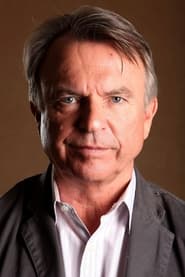
Crucially, Spielberg anchors this high-concept terror in a deeply human struggle. Dr. Alan Grant (Sam Neill) begins the film terrified of children, viewing them as noisy agents of chaos. His journey is not just about surviving the island, but about accepting the role of protector. The scene where he rests in a tree with Hammond's grandchildren, watching a Brachiosaurus graze, offers a moment of sublime grace amidst the terror, reminding us that these animals are not monsters by nature—they are simply animals, existing out of time.

Ultimately, *Jurassic Park* endures because it captures the duality of the natural world: its capacity for breathtaking beauty and its indifference to human survival. It is a film that invites us to look up in wonder, even as it warns us that we are small, fragile, and edible. In resurfacing the past, Spielberg created a future for cinema that we are still living in, for better or worse.

Clips (7)

Escaping the Park

Welcome To Jurassic Park - Extended Preview

Iconic T-Rex Escape

The T. rex Chase In 4k HDR

Welcome To Jurassic Park

All Aboard To Jurassic Park Island Extended Preview in 4K Ultra HD

The T. Rex Escapes the Paddock in 4K HDR

Featurettes (13)

30th Anniversary Special: Defining Moments

30th Anniversary Special: Excavating The T. rex & Kitchen Scenes

Dinosaur Sounds with Gary Rydstrom

Celebrating the 30th Anniversary of Jurassic Park | Put A Finger Down Challenge

Celebrating 30 Years of Jurassic Park

"Jurassic Park" winning a Sound Effects Editing Oscar®

Moments That Changed The Movies: Jurassic Park

"Jurassic Park" winning a Sound Oscar®

Jurassic Park Wins Visual Effects: 1994 Oscars

How Dinosaurs Came to Life in "Jurassic Park"

The Shaving Cream Can

Samuel L. Jackson

Ariana On Dinosaur Sneeze

Behind the Scenes (9)

Rare Footage Of Steven Spielberg Directing Iconic Scenes - Bonus Feature

Return to Jurassic Park: Dawn of a New Era Bonus Feature

Steven Spielberg Directs Jurassic Park Bonus Feature

Featurette

Glass of Water

The Score

The First Images

Stan Winston

Looking Back

LN
Latest Netflix

Discover the latest movies and series available on Netflix. Updated daily with trending content.

About

  • AI Policy
  • This is a fan-made discovery platform.
  • Netflix is a registered trademark of Netflix, Inc.

© 2026 Latest Netflix. All rights reserved.