✦ AI-generated review
The Acoustics of Grief
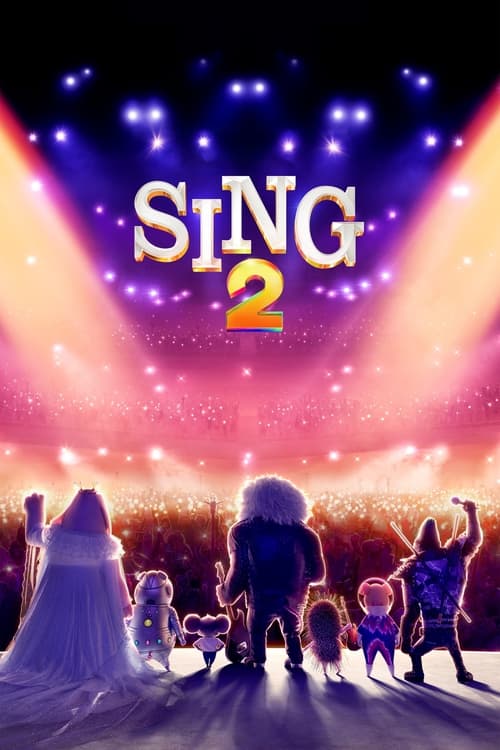
In the modern cinematic landscape, the "jukebox musical" is often dismissed as a cynical exercise—a delivery system for licensed needle drops rather than a narrative art form. It is easy to view Illumination’s *Sing 2* through this skepticism, anticipating a sugar-rush of pop covers performed by cute anthropomorphic animals. Yet, writer-director Garth Jennings (*Son of Rambow*, *The Hitchhiker's Guide to the Galaxy*) smuggles something surprisingly tender into this neon-soaked vessel. Beneath the kinetic, candy-colored surface of Redshore City—a thinly veiled analog for Las Vegas—lies a film that is less about the pursuit of fame and more about the paralysis of loss.
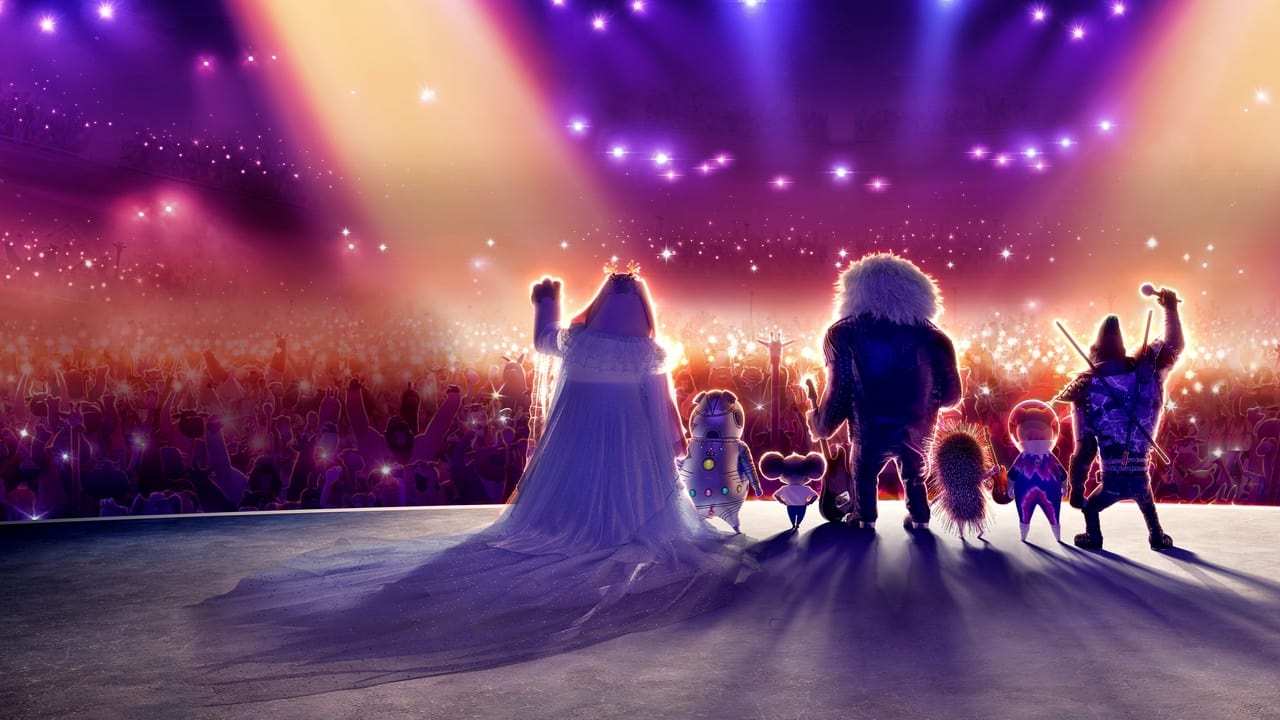
Jennings has always possessed a unique directorial signature that favors the chaotic warmth of amateur creativity over polished perfection. In *Sing 2*, he scales this up, trading the crumbling theater of the first film for the terrifying, glossy heights of the Crystal Tower. The visual language here is suffocatingly bright, a deliberate contrast to the film’s emotional center. The animation is technically flawless, rendering the texture of fur and the shimmer of sequins with a hyper-reality that feels almost overwhelming. This maximalism serves a narrative purpose: it emphasizes the hollowness of the entertainment industry machine, run by the predatory wolf Jimmy Crystal, where art is measured solely by its capacity to dazzle.
However, the film’s true weight is found in the silence away from the stage. The narrative hinges on the quest to retrieve Clay Calloway, a legendary lion rock star who vanished into seclusion following the death of his wife. Voiced by U2’s Bono, Calloway is not merely a plot device but a study in grief. His estate, fenced off and devoid of music, stands in stark opposition to the noise of the main plot. When the prickly, punk-rock porcupine Ash (Scarlett Johansson) breaches his sanctuary, the film shifts gears. It stops sprinting and dares to breathe.
The pivotal sequence is not the bombastic sci-fi finale, but a quiet moment on a porch. Ash begins to strum a stripped-back version of "I Still Haven't Found What I'm Looking For," and Calloway, initially resistant, joins in. It is a scene that risks being maudlin but lands with genuine grace. Jennings understands that in a musical, the song must function as dialogue. Here, the lyrics are not just a U2 hit; they are an admission of incomplete healing. The scene argues that art is not just about projection and performance, but about connection and recovery.
Ultimately, *Sing 2* transcends its commercial mandate by treating its characters’ internal lives with dignity. Buster Moon, the eternal optimist koala, is the engine of the plot, but Calloway is its soul. The film suggests that while the industry demands spectacle—represented by the dizzying, gravity-defying stagecraft of the final act—the audience craves truth. By anchoring its climax in the return of a grieving widower finding his voice again, Jennings elevates a family comedy into a resonant meditation on the courage it takes to step back into the light. It is a reminder that even in a world of talking animals and pop anthems, the most powerful special effect is empathy.