✦ AI-generated review
The Muddle and the Menagerie
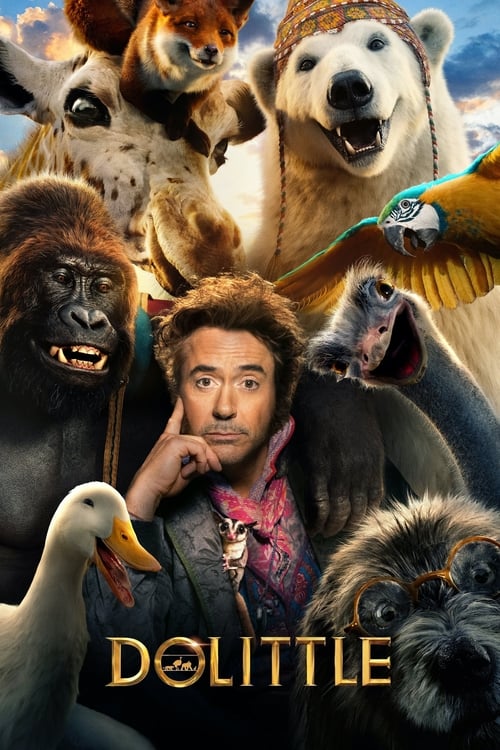
There is a specific, disquieting fascination in watching a film that seems to be at war with itself. Stephen Gaghan’s *Dolittle* (2020) is not merely a misfire; it is a cinematic identity crisis captured on celluloid, a project that vibrates with the anxious energy of a hundred conflicting decisions. Gaghan, a filmmaker previously lauded for the intricate geopolitical tapestries of *Traffic* and *Syriana*, here attempts to weave a whimsical family tapestry, but the result is a frayed knot of discordant tones. It is a work that inadvertently asks a profound question: What happens when a story loses its own voice amidst the cacophony of its creation?
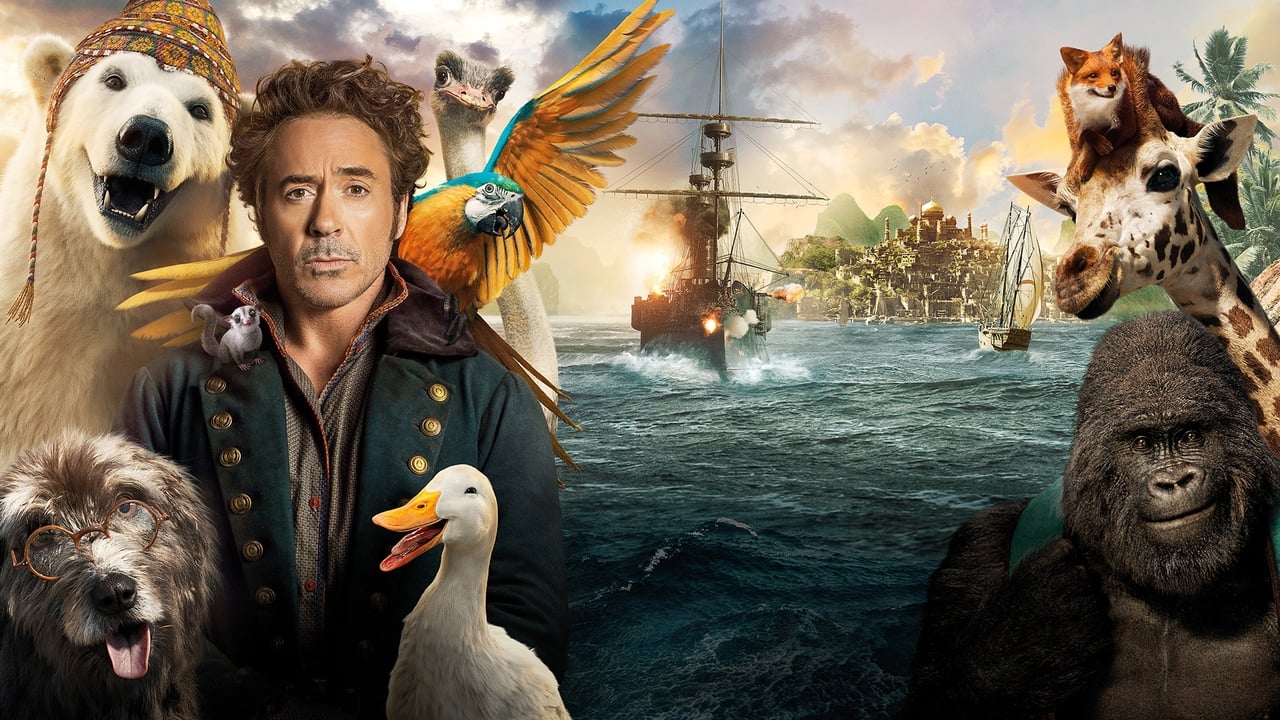
From the opening frames, the film establishes a visual language that feels less like a cohesive world and more like a frantic collage. The Victorian England presented here is not a tangible place of soot and brick, but a suffocating digital enclosure. The cinematography possesses a flat, hyper-saturated quality that renders the human actors estranged from their environment. Robert Downey Jr., as the titular doctor, often appears to be looking not at the animals he is conversing with, but through them, staring into the middle distance of a green-screen void. This visual disconnect creates a pervasive sense of loneliness that the script’s messages of "connection" cannot overcome. The animals, though rendered with technical proficiency, lack the weight of presence; they are floating textures rather than living companions, turning Dolittle’s sanctuary into a hall of digital mirrors.
At the center of this storm stands Downey Jr., delivering a performance that is as fascinating as it is baffling. Emerging from a decade of iron-clad blockbuster dominance, he retreats here into a thicket of eccentricity. His choice of a fluctuating Welsh accent—a vocal affectation that wanders the British Isles like a lost tourist—serves as a barrier between the character and the audience. It is a performance of concealment. Downey Jr. plays Dolittle as a man so terrified of human engagement that he has constructed a wall of mumbled indecipherability. While intended to signal whimsy, it reads as exhaustion. We see an actor striving to invent a character from the outside in, layering on tics and trembles to mask a hollow emotional center.
The narrative collapses under its own ambition during the film's infamous climax, a sequence that will likely endure in film history for all the wrong reasons. The group’s journey culminates not in a moment of emotional revelation, but in a surgical procedure performed on a dragon suffering from intestinal blockage. That the resolution to a high-fantasy quest involves the extraction of bagpipes from a mythical creature’s anatomy is a staggering choice. It is a moment where the film’s tonal confusion turns terminal. What should be a scene of awe or danger descends into scatological desperation, betraying a lack of trust in the audience’s ability to engage with sincerity. It is the cinematic equivalent of a nervous laugh in a quiet room—loud, awkward, and deeply uncomfortable.
Ultimately, *Dolittle* serves as a melancholy monument to industrial filmmaking gone awry. It feels less like the singular vision of a director and more like a "rescue mission" pieced together in post-production, stripped of the human idiosyncrasies that make cinema breathe. In trying to speak to everyone—children, adults, international markets—it manages to say nothing intelligible at all. We are left watching a talented cast adrift on a digital sea, shouting into the wind, waiting for a response that never comes.