✦ AI-generated review
The Anesthetized Revolution
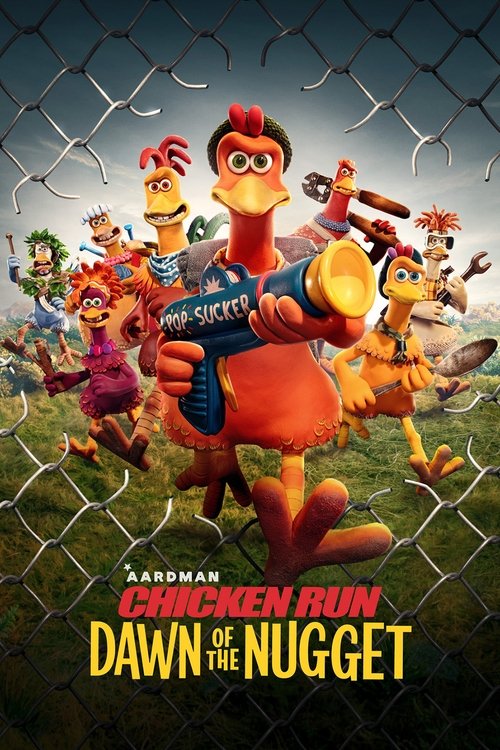
There is a distinct irony in the fact that *Chicken Run: Dawn of the Nugget* arrives twenty-three years after its predecessor, a film that was essentially *The Great Escape* with poultry. The original 2000 masterpiece was a grim, muddy, tactile fable about collective bargaining and labor unions, disguised as a claymation comedy. It had dirt under its fingernails—literally, given the medium. This sequel, directed by Sam Fell, trades the gloomy barbed wire of a prisoner-of-war camp for the neon-lit, candy-colored fortress of a Bond villain. In doing so, it inadvertently mirrors the very industry shift it inhabits: moving from the rough-hewn, dangerous creativity of the past to a polished, algorithmic safety that entertains but rarely nourishes.
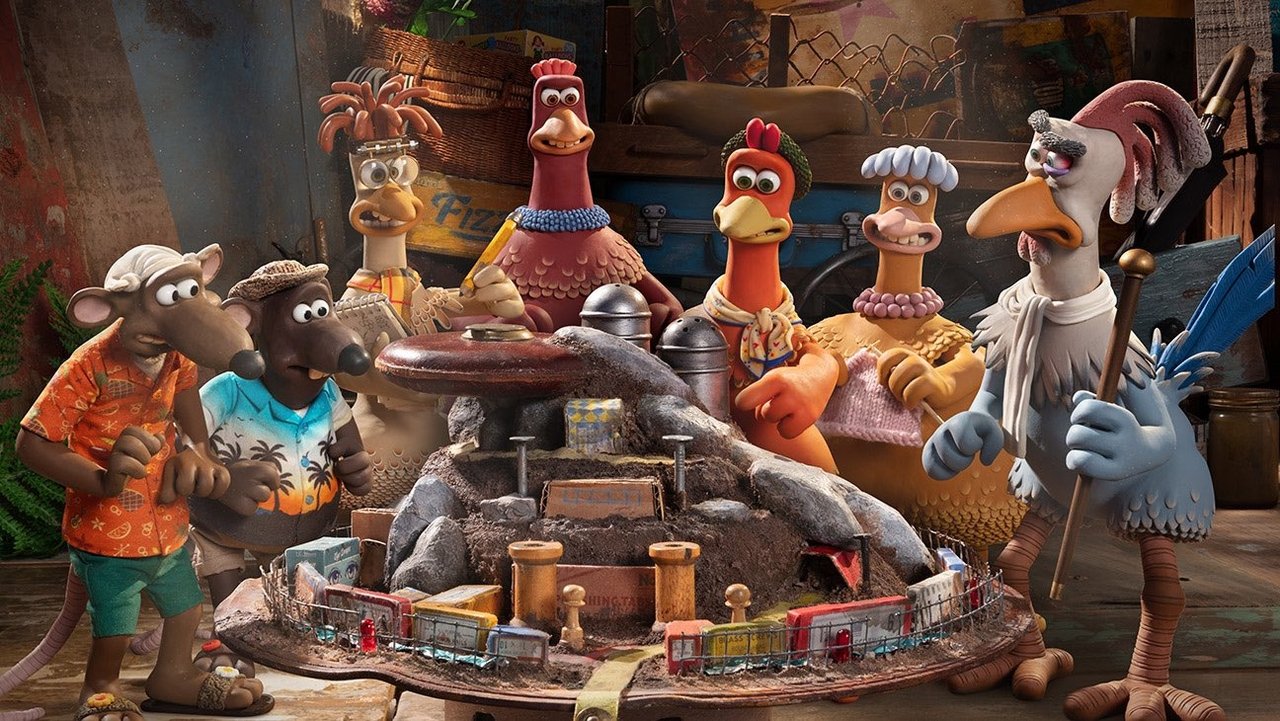
Visually, the film is a paradox of staggering beauty and unnerving cleanliness. Aardman Animations has always been defined by the "thumbprint"—the visible evidence of the human hand manipulating plasticine. Here, the thumbprints are fainter, smoothed over by the seamless integration of CGI and expansive digital set extensions. The villain’s lair, "Fun-Land Farms," is a garish explosion of pop-art colors and sterile surfaces, designed to look like a mid-century modern utopia. While this serves the narrative—the farm is a high-tech processing plant masking its horror with a smile—it also serves as a meta-commentary on the film itself. The visuals are sharper, the action is faster, and the scale is bigger, yet the texture feels somewhat removed, as if encased in a protective layer of laminate.
At the heart of this visual splendor lies a narrative that shifts the stakes from revolutionary survival to nuclear family anxiety. We find Ginger (now voiced by Thandiwe Newton, a slicker, if less earthy, replacement for Julia Sawalha) living in a post-liberation paradise. She has transitioned from the Che Guevara of the coop to a protective, almost isolationist mother. When her daughter Molly wanders off to the mainland, the film morphs into a heist movie—a *Mission: Impossible* riff that emphasizes gadgetry over grit.
The film’s most chilling, and arguably most brilliant, conceit is the "Happy Collar." In the new factory, the villains have realized that fear makes the meat tough. To produce the perfect nugget, the chickens must be happy. They are fitted with collars that lobotomize them into a state of blissful, distracted ignorance, smiling as they march toward the grinder. It is a biting satire of modern consumerism and, perhaps, modern entertainment: we are kept docile by bright colors and constant amusement, unaware of the machinery consuming us.
However, the film struggles to commit to the darkness of this metaphor. Where the original *Chicken Run* allowed its characters to face the visceral terror of the chopping block, *Dawn of the Nugget* cushions every blow. The danger feels theoretical rather than immediate. Even the return of the terrifying Mrs. Tweedy feels more like a curtain call for a legacy character than a genuine threat.
Ultimately, *Chicken Run: Dawn of the Nugget* is a technical marvel that highlights the diminishing returns of nostalgia. It is undeniably witty and charming, possessing that unique Aardman whimsy that resists total cynicism. Yet, it lacks the beating, terrified heart of the original. It is a film about the danger of becoming a nugget—a processed, uniform, easily consumable product—that dangerously skirts the edge of becoming one itself. We are left with a meal that is perfectly fried and golden, but one that leaves us hungering for the rougher, earthier sustenance of the past.