✦ AI-generated review
The Algorithm of Flesh
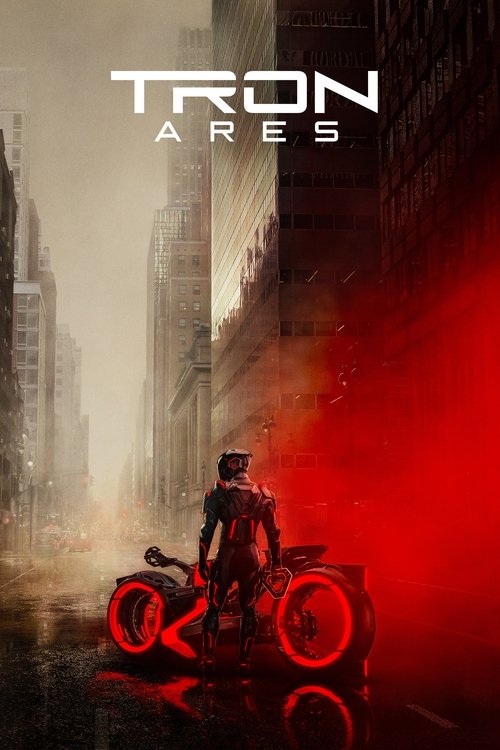
For over forty years, the *TRON* saga has operated on a singular, seductive fantasy: the escape from our messy, analog reality into the pristine geometry of the computer. We longed to be digitized, to leave behind the decay of biology for the neon purity of the Grid. Joachim Rønning’s *TRON: Ares* boldly—and perhaps controversially—inverts this equation. In 2025, we no longer dream of entering the machine; the machine is desperate to enter us.
This thematic reversal is the film's most potent weapon, yet also the source of its narrative friction. Rønning, taking the reins from Joseph Kosinski, moves the action from the digital frontier to the rain-slicked streets of a near-future Vancouver. It is a visual gamble that largely pays off. Where *Legacy* was an hermetic opera of black glass and blue light, *Ares* is a collision of textures. Seeing a red lightcycle tear through tangible asphalt and grime creates a jarring, almost hallucinogenic aesthetic. The visual language here is one of intrusion; the perfection of the digital code looks violent and alien against the softness of the natural world.
Propelling this invasion is the score by Nine Inch Nails. Trent Reznor and Atticus Ross replace Daft Punk’s orchestral grandeur with something grittier, more industrial and anxious. Their soundscape doesn't soar; it grinds, perfectly mirroring the physical discomfort of the film’s protagonist, Ares (Jared Leto), as he navigates the "meat space" of humanity.
Leto’s performance will likely remain the film's most divisive element, yet it possesses a strange, hypnotic calibration. As a highly sophisticated Program sent by the corporate machinations of Julian Dillinger (a delightfully serpentine Evan Peters), Ares is initially a weapon, a bundle of code forced into a synthetic body. Leto plays him not with robotic stiffness, but with a newborn’s overwhelming sensory confusion.
There is a standout sequence early in the film that anchors the entire emotional arc: Ares, fresh from the Grid, stands motionless in a downpour. He stares at the water pooling on his synthetic skin, terrified and enthralled by the sensation of cold—a variable his code never accounted for. In this moment, Rønning allows the spectacle to breathe, transforming a blockbuster about AI domination into a quiet tragedy about the pain of embodiment. It is a digital *Pinocchio* story, stripping away the fairy tale to reveal the existential horror of gaining a soul.
However, the film stumbles when it tries to explain the "why" of it all. The plot, hinging on a race for a "permanence code" that would allow programs to survive indefinitely in our world, often collapses under the weight of its own technobabble. The script struggles to balance the intimacy of Ares’s awakening with the requisite corporate espionage thriller elements, leaving the human characters, particularly Greta Lee’s Eve Kim, fighting for oxygen in a story more interested in concepts than people.
Ultimately, *TRON: Ares* is a film that reflects our current cultural anxiety. We are no longer enchanted by technology; we are wary of its encroachment. While it may lack the symphonic perfection of its predecessor, it offers something more unsettling: a mirror. It suggests that the greatest danger of artificial intelligence isn't that it will destroy us, but that it will look at our fragile, decaying world and desperate need for connection, and find us wanting.