The Ghost in the Machine is LoveTo revisit the Matrix in 2021 was an exercise in dangerous nostalgia. The original 1999 film didn’t just change cinema; it codified a generation’s anxieties about technology, control, and identity. When Lana Wachowski announced she was returning to the director’s chair—without her sister Lilly—many feared a corporate cash-grab, a soulless "asset" designed to boost quarterly earnings for Warner Bros. Instead, Wachowski delivered *The Matrix Resurrections*, a film that is arguably the most expensive, star-studded avant-garde art installation of the decade. It is messy, sincere, and aggressively uninterested in being the cool action movie you remember.
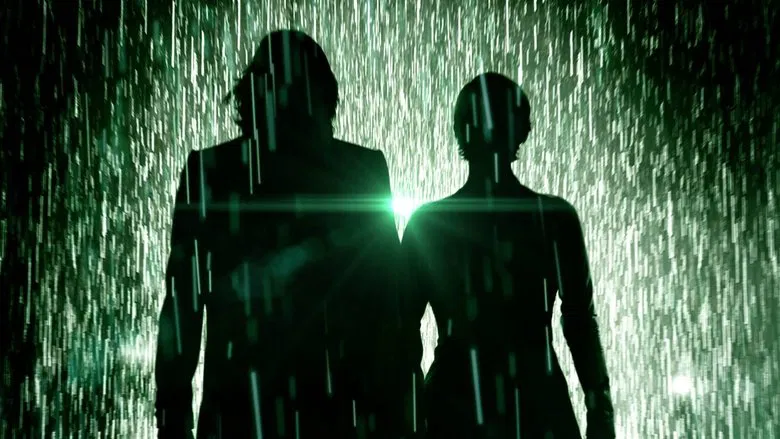
From the opening moments, Wachowski dismantles the visual language she helped create. The sickly green tint of the original trilogy is gone, replaced by the hyper-saturated, artificial gloss of modern digital cinema—a "golden hour" aesthetic that feels suffocatingly perfect. This is a new version of the Matrix, one that seduces with comfort rather than cold oppression. The action, too, has shifted. Where the original films fetishized "bullet time" and precise choreography, *Resurrections* is chaotic, almost purposely frustrating. Wachowski seems to be saying that we cannot go back; the sleek leather and slow-motion gunplay that once symbolized rebellion have now been co-opted by the very system they sought to destroy. The revolution has been commodified, literally represented in the film as a video game trilogy designed by Thomas Anderson.

The film’s early meta-commentary is blistering. In one scene, a boardroom of creatives dissects "The Matrix" as a brand, throwing around buzzwords like "originality" and "freshness" while demanding a sequel. It is a nakedly hostile critique of the film’s own existence, with Wachowski seemingly screaming through the screen about the absurdity of forcing art into perpetual franchises. Yet, beneath this layer of cynicism lies a profoundly tender heart. The film suggests that while the system (the Matrix, the studio, the internet) can co-opt our anger and our aesthetics, it cannot simulate genuine connection. The horror of this new prison is not that it uses humans as batteries, but that it keeps them in a state of yearning, just close enough to what they love to feel the absence of it.

Ultimately, *Resurrections* abandons the messianic complex of the earlier films. This is not a story about "The One" saving humanity through violence. It is a story about two people—Neo and Trinity—realizing that their power comes not from solitude, but from union. The climax does not hinge on a fistfight with an Agent, but on a leap of faith taken together. By recentering the narrative on the romance between two middle-aged characters, Wachowski rejects the sexless, stoic heroism of modern blockbusters. It is a radical reclaiming of the saga: the machines may own the code, but they do not own the grief, the love, or the history that binds us. *The Matrix Resurrections* may not be the sequel fans wanted, but in its vulnerability and defiance, it is exactly the sequel we needed.