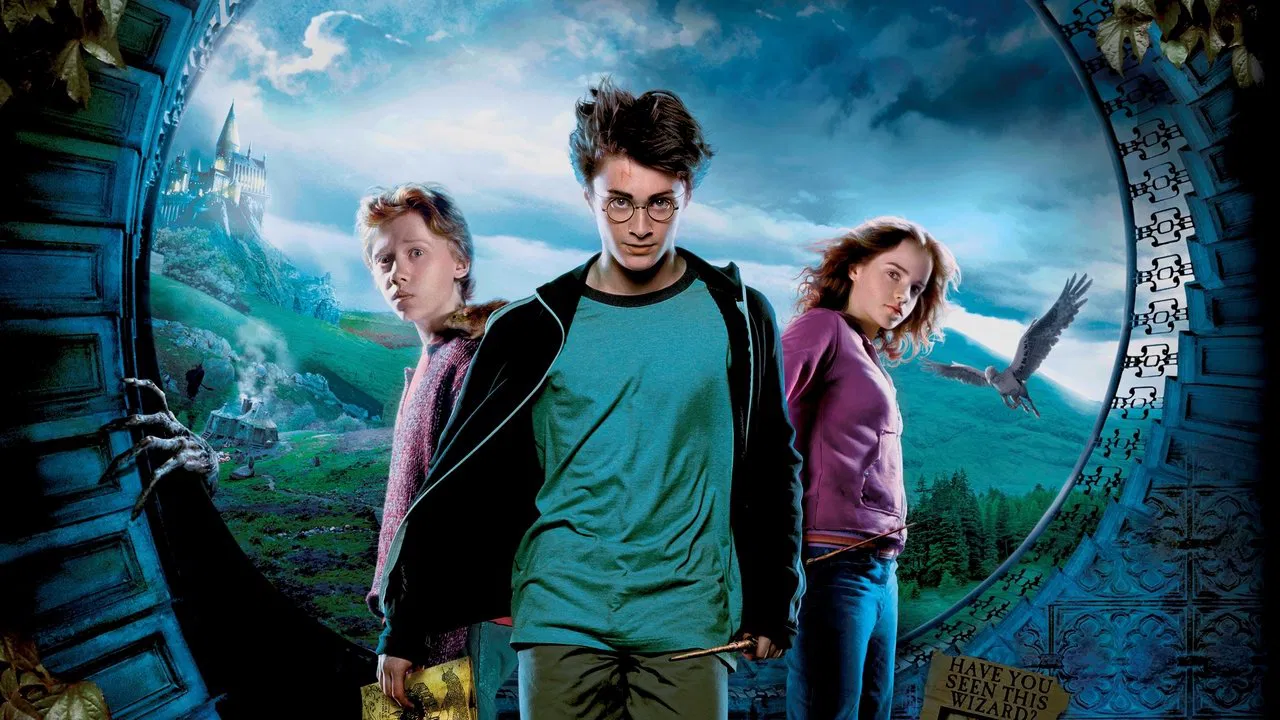
The Clockwork of AdolescenceThere is a precise moment in *Harry Potter and the Prisoner of Azkaban* where the franchise stops being a whimsical escape and starts becoming a cinema of anxiety. It isn’t the arrival of the soul-sucking Dementors, nor the revelation of a traitor. It is a quiet, visual choice: the camera moves through the mechanism of a giant clock tower, looking out at a world that has suddenly turned grey and cold. Alfonso Cuarón, stepping in for the workmanlike Chris Columbus, didn’t just make a sequel; he dismantled the safety of childhood and reassembled it as a gothic coming-of-age tragedy.
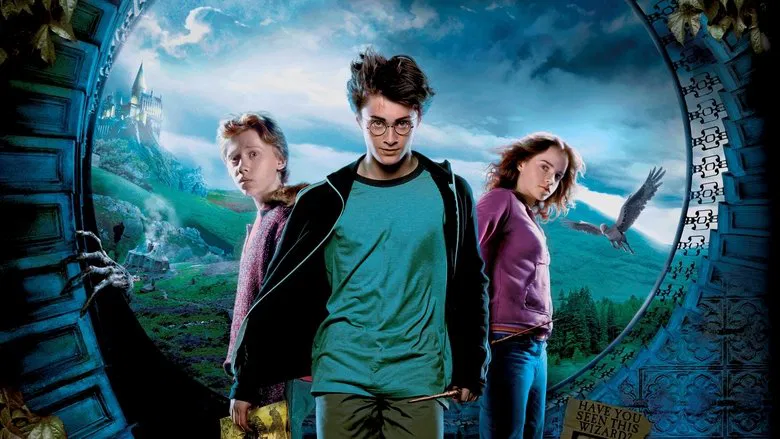
If Columbus’s first two films were bright, static illustrations of J.K. Rowling’s text, Cuarón’s adaptation is a living, breathing creature. The Mexican director, fresh from the raw intimacy of *Y Tu Mamá También*, injects Hogwarts with a sense of restless geography. The camera is rarely still; it prowls through corridors and flies over Scottish highlands, suggesting a world that exists beyond the frame. We are no longer tourists in a theme park, but inhabitants of a school where teenagers wear hoodies, untucked shirts, and carry the heavy, unspoken burden of growing up.
Visually, Cuarón strips away the warm candlelight of the previous entries, replacing it with a palette of bruising purples and icy blues. The film is obsessed with time—not just as a plot mechanic, but as an existential threat. The ticking clock is the heartbeat of the narrative, a reminder that innocence is a finite resource. The Dementors serve as the perfect antagonists for this thematic shift; they are not monsters under the bed, but metaphors for depression and the paralytic freeze of trauma. When they descend, the film’s very light seems to curdle, forcing the protagonist to confront the void not with a spell, but with a happy memory—a weaponization of emotional resilience.
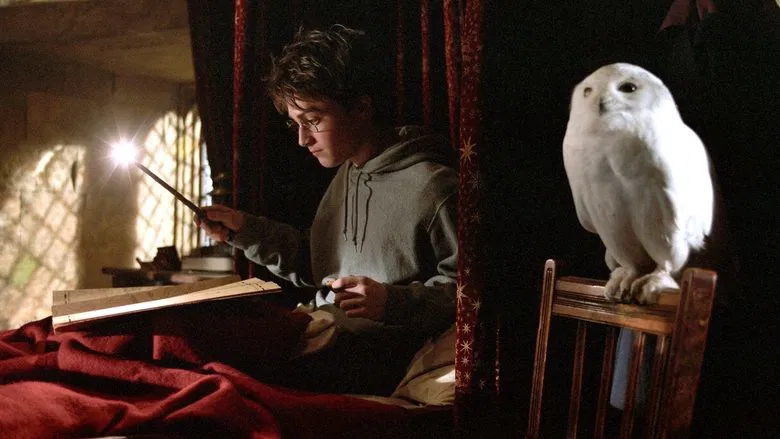
The performances, too, shed their theatrical stiffness. Daniel Radcliffe is allowed to be angry, confused, and messy. The central mystery involving Sirius Black (a ragged, desperate Gary Oldman) and Remus Lupin (the gently tragic David Thewlis) reframes the concept of "monsters." The film argues that the scariest things aren’t werewolves or escaped convicts, but the failures of the adult world to protect the young. The "shrieking shack" sequence, often a chaotic exposition dump in lesser hands, plays out here like a chamber drama of betrayal and regret, filmed with a kinetic intimacy that makes the magic feel secondary to the broken friendships.
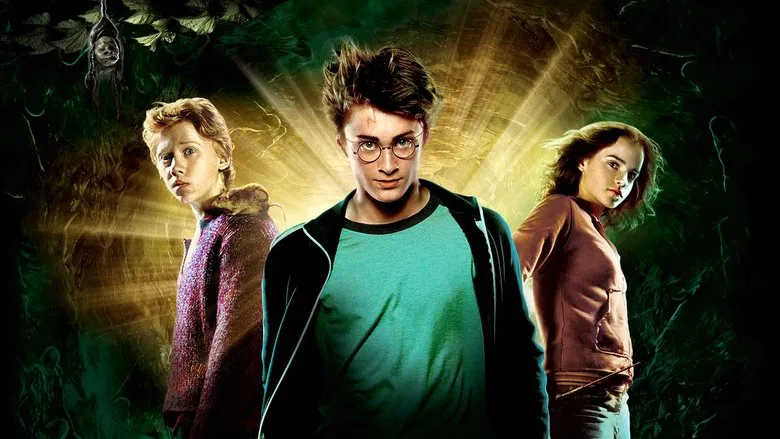
Ultimately, *Prisoner of Azkaban* remains the high-water mark of the Wizarding World because it respects its audience enough to be ambiguous. It ends not with a grand victory, but with a freeze-frame of a boy mid-flight—blurred, distorted, and rushing headlong into an uncertain future. It is a masterclass in adaptation, proving that to truly honor a book, a director must sometimes rewrite its language entirely. Cuarón didn’t just adapt *Harry Potter*; he allowed it to finally grow up.