✦ AI-generated review
The Alchemy of Chaos
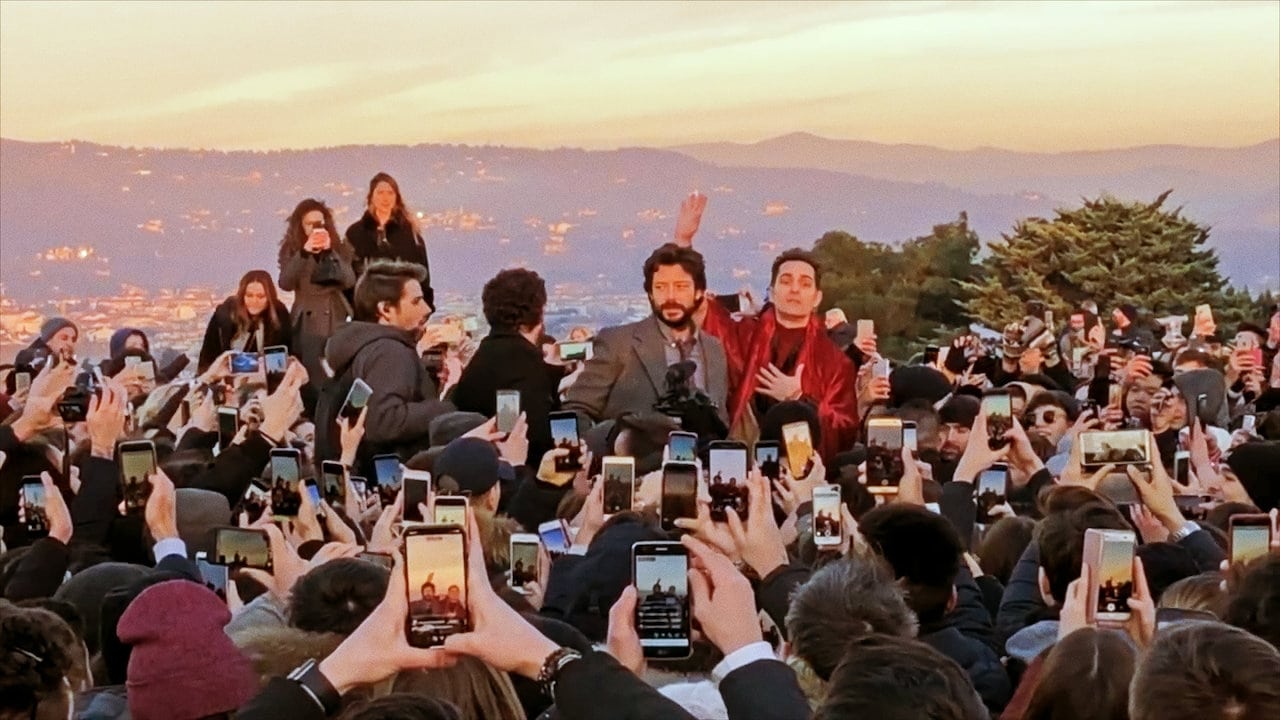
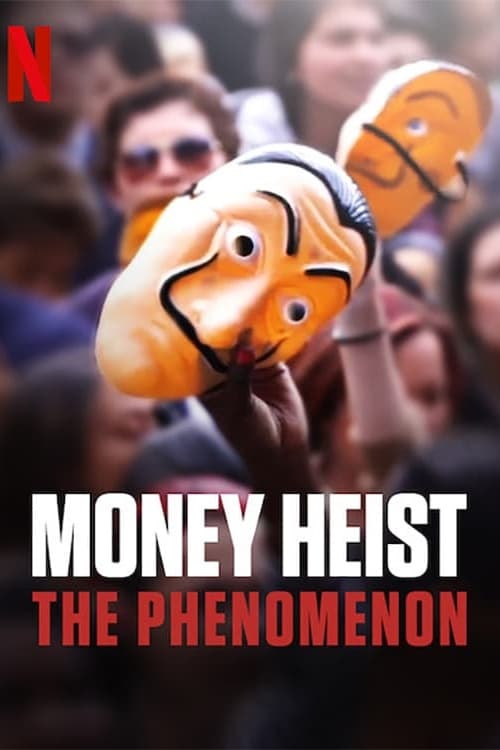
There is a moment in Luis Alfaro’s *Money Heist: The Phenomenon* that feels less like a behind-the-scenes extra and more like a sociological autopsy. We see footage of a massive crowd in Saudi Arabia, then in France, then in Brazil, all donning red jumpsuits and Salvador Dalí masks, chanting "Bella Ciao." It is a jarring, almost surreal realization: a pulp thriller about bank robbers has somehow mutated into a genuine global symbol of populist resistance. Alfaro’s documentary, released in the slipstream of the show’s fourth season, attempts to decode this mutation. It is not merely a victory lap for Netflix; it is a fascinating study of accidental alchemy.
Most "making-of" documentaries are sanitized corporate products, designed to pat the backs of producers and assure audiences that every beat was calculated. *The Phenomenon* is refreshing precisely because it admits the opposite: nobody knew what they were doing. Alfaro captures the raw, bewildered energy of a cast and crew who went from unemployment to superstardom overnight. The narrative anchor here is failure. The documentary reveals that *La Casa de Papel* was initially a flop on Spanish broadcast television, a "dead" show bought by streaming algorithms for a song. This context is crucial. It reframes the slick, high-octane heist thriller we know into a scrappy underdog story that mirrors the fictional thieves themselves—a group of losers who somehow pulled off the impossible.
Visually, Alfaro eschews the glossy, promotional aesthetic typical of the genre. instead, he favors a more intimate, almost claustrophobic lens. We see the actors, stripped of their characters’ bravado, looking genuinely overwhelmed. Úrsula Corberó (Tokyo) and Álvaro Morte (The Professor) do not speak with the rehearsed arrogance of Hollywood stars; they speak with the trembling disbelief of lottery winners who are afraid the ticket might be fake. The editing juxtaposes the technical nightmare of the production—scripts being written hours before filming, the logistical hell of shooting the "money rain" scene in Madrid—with the emotional toll on the performers.
The documentary’s emotional center lies in its exploration of the "Bella Ciao" musical motif. Alfaro traces how an Italian anti-fascist folk song was repurposed into a pop-culture anthem. It is the perfect metaphor for the show’s success: a piece of history, dusted off and injected with modern adrenaline, resonating with a generation hungry for rebellion. There is a particularly poignant segment regarding the departure of Nairobi (Alba Flores), where the blurred line between the actor’s grief and the character’s fate highlights the intense, familial bond formed in the pressure cooker of this production.
Ultimately, *Money Heist: The Phenomenon* argues that true cultural impact cannot be engineered in a boardroom. You cannot focus-group a revolution. The documentary serves as a humble testament to the chaos of creativity. It suggests that the show’s resonance didn’t come from its budget or its twists, but from its frantic, beating heart—a shared desperation between the characters, the creators, and the audience to reclaim some control in a chaotic world. It is a compelling reminder that sometimes, the art we need most is the art that was never supposed to succeed.