✦ AI-generated review
The Golden Hour of Empire
To view Tony Scott’s *Top Gun* (1986) merely as a military action film is to misunderstand its fundamental nature. It is not a documentary of war, nor is it strictly a drama; it is a fever dream of the American id, captured at the height of the Reagan era. It stands as a kinetic sculpture of chrome, sweat, and synthesizer music, designed less to tell a story than to induce a state of physiological arousal. In Scott’s hands, the Cold War is not a geopolitical stalemate but a backdrop for a high-gloss fashion editorial, where the true enemy is not the faceless MiG pilot, but the threat of anonymity.
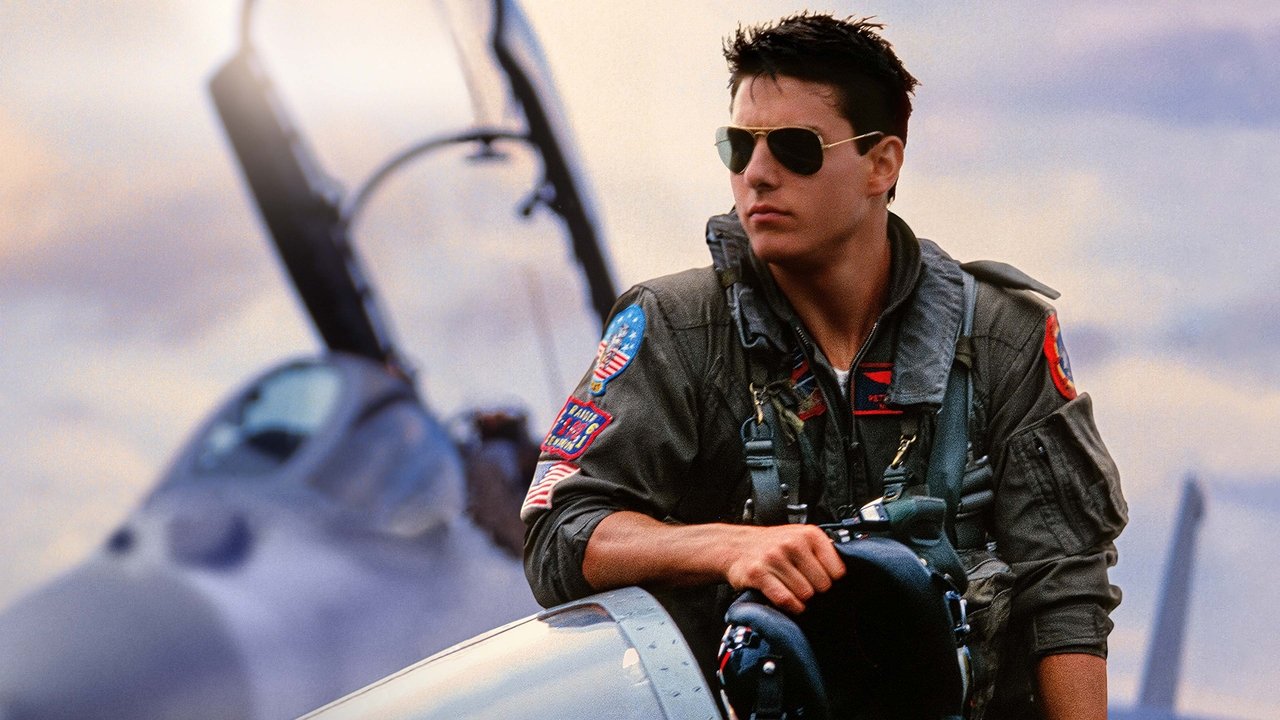
Tony Scott, bringing his background in high-end commercials to cinema, did not just film fighter jets; he fetishized them. The visual language of *Top Gun* is one of perpetual sunset. The sun never seems to rise or set fully; it hangs endlessly at the "golden hour," bathing the aircraft carrier decks in a romantic, burnt-orange haze. Scott fills the frame with smoke, backlighting, and silhouettes, turning the Grumman F-14 Tomcat into a religious icon. The machinery of death is rendered with the same loving, soft-focus gaze usually reserved for lovers in a melodrama. This is the film’s seduction: it transforms the terrifying reality of aerial combat into a bloodless, beautiful ballet.
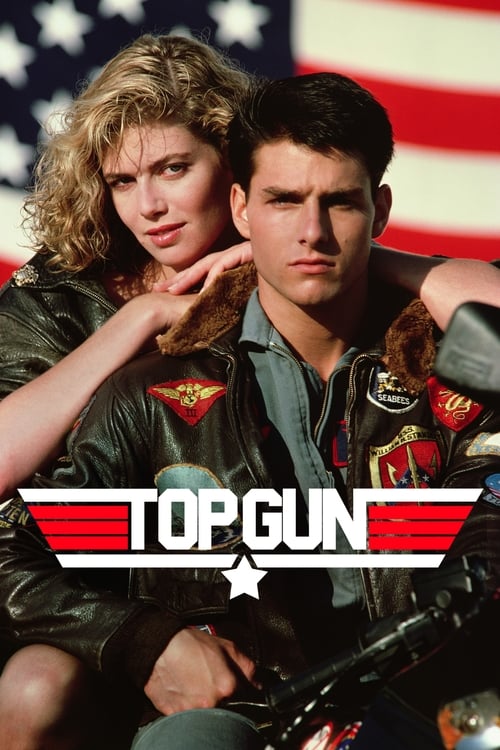
Yet, beneath the roar of afterburners lies a curious, widely debated study of masculinity. The narrative ostensibly follows Pete "Maverick" Mitchell (Tom Cruise) in his romance with civilian instructor Charlie (Kelly McGillis), but the film’s emotional current flows almost entirely between the men. The celebrated beach volleyball scene—a masterclass in unmotivated glistening skin and slow-motion athleticism—is the film’s most honest moment. Here, the camera worships the male form with an intensity that renders the female love interest almost intrusive. The tension between Maverick and his rival, Iceman (Val Kilmer), vibrates with a chemistry that is far more electric than the rote courtship of Charlie.
This hyper-masculinity, however, is fragile. The film’s true emotional anchor is the death of Goose (Anthony Edwards). In a world defined by invulnerability and speed, the intrusion of mortality shatters the glossy veneer. When the canopy fails and Maverick loses his only genuine emotional tether, the film briefly drops its swagger. It is the only moment the "Recruiting Poster" facade cracks, allowing us to glimpse the terrified boy inside the cockpit. But Scott refuses to dwell in grief; the engine must restart. The narrative swiftly sutures the wound, insisting that the only cure for the trauma of flight is more flight.
Ultimately, *Top Gun* is a triumph of sensation over logic, a pop-art masterpiece that codified the blockbuster aesthetic for decades to come. It sells a fantasy of war where the skies are always blue, the heroes are immortal even in death, and the American empire is as beautiful and inevitable as the setting sun. It is a hollow vessel, perhaps, but one polished to such a blinding sheen that, nearly forty years later, we still cannot look away.