The Princess and the PyreFor centuries, the cinematic fairy tale has operated within the architecture of a velvet cage. The princess is an ornament of statecraft, a prize to be won, or a catalyst for male heroism. Even in the modern era of revisionist fables—where heroines wield ice magic or archery skills—there remains a lingering attachment to the aesthetic of royal grace. *Damsel*, directed by Juan Carlos Fresnadillo, attempts to take a sledgehammer to this porcelain history. It is a film that posits a brutal thesis: the "happily ever after" is not the end of the story, but merely the bait for the trap.
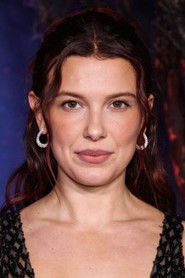
The premise is deceptively traditional before it curates its own collapse. Elodie (Millie Bobby Brown) is a dutiful daughter of a destitute northern duchy, bartered into marriage with a prince of a wealthy, golden kingdom. The visuals in the first act are intentionally saccharine—a confection of sprawling castles and ornate costumes that feels almost suspicious in its perfection. But Fresnadillo, whose filmography includes the frenetic and terrifying *28 Weeks Later*, has no interest in maintaining the illusion. The wedding ceremony quickly descends into a sacrificial ritual, plunging Elodie into the bowels of a mountain to face a dragon.

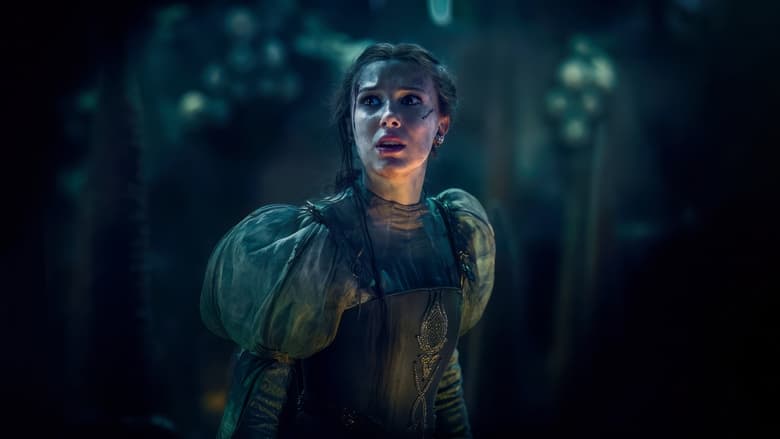
Here, the film shifts genres with jarring efficacy, trading the romance of the court for the survival horror of the cave. The visual language of *Damsel* is defined by this descent. The cinematography abandons the sun-drenched wide shots of the surface for a claustrophobic, bioluminescent hellscape. The cavern is not merely a location; it is an antagonistic organism, slick with moisture and sharp with obsidian glass.
Fresnadillo treats the fantasy elements with a grounded, almost tactile nastiness. When Elodie is burned, the skin blisters; when she falls, bones threaten to snap. This is not the sanitized action of a comic book movie, but a grim struggle for breath. The film’s greatest visual metaphor is Elodie’s wedding dress. As she navigates the labyrinth, the elaborate gown is systematically destroyed—ripped, muddied, and stripped of its corsetry—until the trappings of her patriarchal submission are reconfigured into tools for her survival. The bodice becomes armor; the heavy fabric becomes a rope.
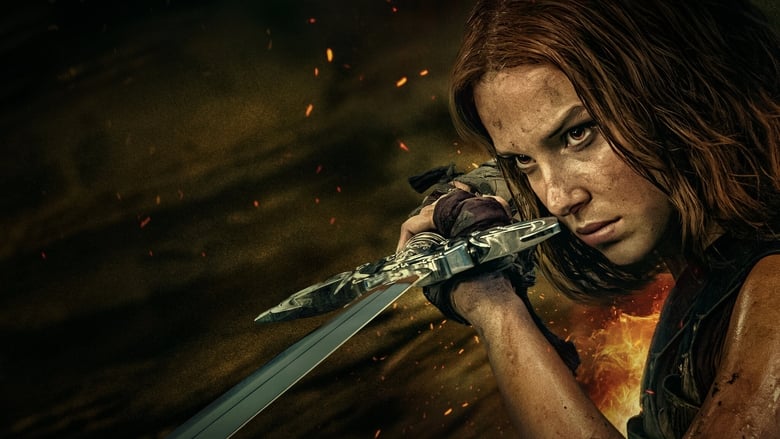
At the narrative's center is a performance by Brown that relies less on dialogue and more on the guttural vocabulary of pain. She effectively sheds the telekinetic mystique of her most famous role to play a character whose only superpower is pragmatic resilience. However, the film is not without its stumbling blocks. The script occasionally struggles to trust its own visual storytelling, leaning on exposition that explains themes the audience has already grasped. We understand that the dragon (voiced with silken menace by Shohreh Aghdashloo) is also a victim of the kingdom’s cruelty—a mother grieving her stolen children—but the film insists on verbalizing this kinship rather than letting it exist in the tension of the silence.
Furthermore, the digital landscape, while ambitious, occasionally suffers from a weightlessness common in modern streaming cinema. There are moments where the geography of the chase feels dictated by the needs of a set piece rather than the logic of the environment, breaking the immersion that Fresnadillo works so hard to build through sound design and lighting.
Ultimately, *Damsel* is a fascinating, if imperfect, artifact of our current cultural moment. It seeks to rewrite the mythology of the princess not by rejecting the fantasy, but by exposing the blood that lubricates the wheels of monarchy. It suggests that true nobility is found not in a bloodline or a marriage alliance, but in the will to endure the fire and emerge, scarred and soot-stained, on the other side. It is a fairy tale for a generation that has learned to stop waiting for the knight.