The Porcelain Mask of HollywoodThere is a specific, agonizing texture to the desperation of an aging actress in Los Angeles—a silent scream wrapped in a polite smile. It is a horror story that cinema has told before, from *Sunset Boulevard* to *Death Becomes Her*, but 2025 seems determined to flay the subject down to the bone. Max Minghella’s *Shell* arrives in the wake of a cultural tidal wave of "beauty horror," most notably Coralie Fargeat’s *The Substance*, yet to dismiss Minghella’s sophomore effort as a mere echo would be a disservice to its distinct flavor of candy-colored nihilism. While it lacks the operatic ferocity of its peers, *Shell* operates as a glossy, tragic farce—a B-movie dressed in haute couture that asks not just what we would give up for eternal youth, but why we are so eager to be devoured by the industry that demands it.
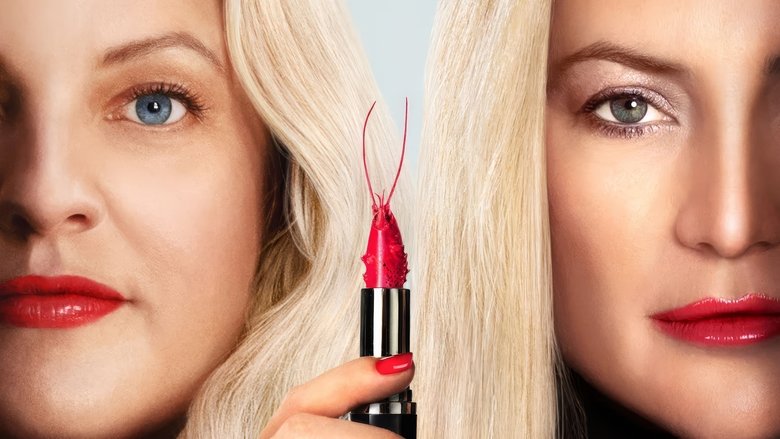
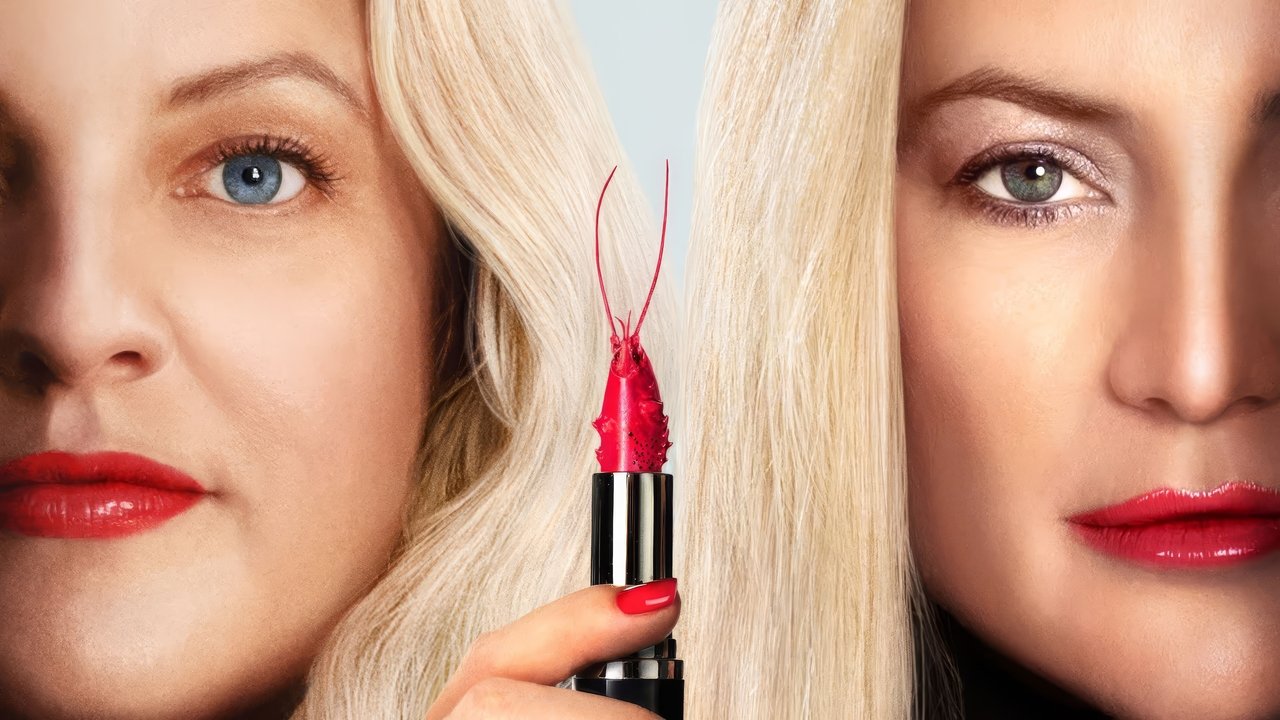
At the center of this grotesque satire is Samantha Lake, played by Elisabeth Moss with a heartbreaking fragility that anchors the film’s increasingly absurdist whims. Samantha is not "old" by any sane metric, but in a retro-futuristic Hollywood where relevance has the shelf life of milk, she is decaying matter. Minghella frames the industry not as a dream factory, but as a sterile slaughterhouse. The early scenes, where Samantha is politely humiliated by casting directors who treat her natural face like a deformity, are more harrowing than the creature effects that follow. Minghella uses a visual language of suffocating brightness—the lens flares are too sharp, the whites too clinical—to suggest that in this world, there are no shadows to hide in, only a spotlight that burns.

When Samantha succumbs to the allure of "Shell," a wellness empire run by the luminous and terrifying Zoe Shannon (Kate Hudson), the film shifts gears from social drama to biological nightmare. Hudson is having the time of her life here, channeling a vampiric energy that is equal parts Goop tycoon and Bond villain. The chemistry between the two women drives the narrative: one desperate to be seen, the other desperate to consume. The procedure itself, involving crustacean DNA—a nod to the biological immortality of lobsters—is where the film embraces its "creature feature" heritage. Minghella isn't interested in the subtle uncanny; he goes for the tactile and the gross, manifesting Samantha’s internal rot as external hardened scales.
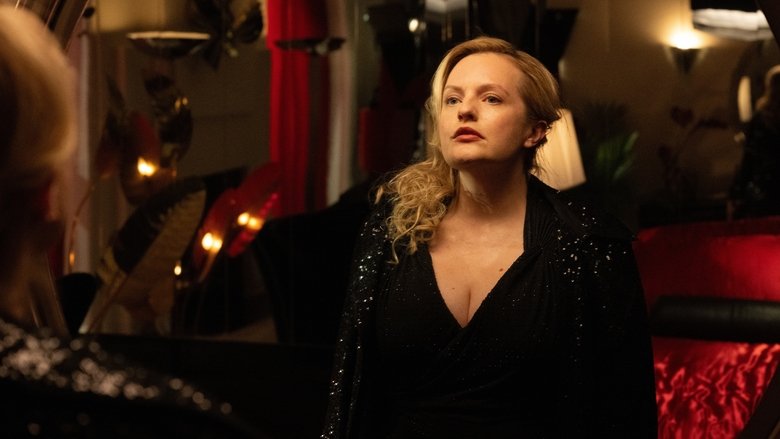
However, *Shell* struggles when it tries to balance its satire with its monsters. The narrative occasionally collapses under its own ambition, oscillating wildly between a profound critique of the female gaze and a campy monster mash that recalls the rubber-suit glory of the 1980s. Yet, there is something deeply human in this messiness. The film posits that the monster isn't the woman who transforms, but the society that made her believe her natural self was insufficient. By the time the third act descends into bloody, chaotic absurdity, the tragedy is complete. We are laughing at the sheer spectacle of it, but the laughter catches in the throat. *Shell* may be a polished surface, but it reflects a very ugly truth about the disposability of women in art, leaving us to wonder if the monster was the industry all along.